
- 31 schools participated in the Startups@Spring competition
- Winning projects included AI models for cardiovascular surgery, life coaching, and smart recycling
- Middle school track introduced for the first time in 2026
Experts agree that this initiative exemplifies a critical shift in K-12 education, emphasizing entrepreneurship and AI literacy to prepare students for future innovation and problem-solving.
Future Founders: How Student AI Startups Are Redefining K-12 Education
CAMPBELL, Calif. – March 10, 2026 – While the national conversation on education often centers on college readiness, a growing movement is pushing the boundaries of K-12 learning, preparing students not just for higher education, but for a future as innovators and entrepreneurs. At the forefront of this shift is Spring Education Group, whose annual Startups@Spring competition recently showcased a new generation of thinkers tackling complex, real-world problems with a powerful new tool: Artificial Intelligence.
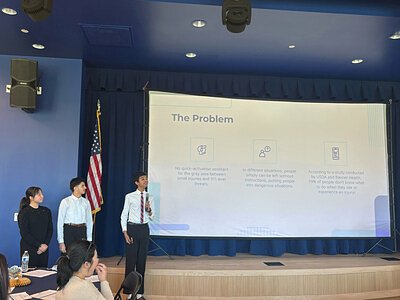
In its third year, the competition brought together students from 31 schools across the network to pitch AI-driven business concepts to a panel of industry titans. The results were staggering, with winning projects including an AI model designed to assist in cardiovascular surgery, an AI-powered life coach for students, and a smart recycling app developed by middle schoolers. These are not just science fair projects; they are sophisticated concepts that underscore a profound change in educational priorities.
"We want our students to discover as early as possible that they can build their own things and impact the world," said Michael Collins, CEO of Spring Education Group, in a statement. He noted the high caliber of the student work, adding, "These students could raise real money from venture capitalists, and in the near future, probably will."
A New Educational Paradigm
The Startups@Spring initiative is a powerful example of a broader trend in K-12 education. Across the country, forward-thinking institutions are recognizing that a curriculum focused solely on standardized tests and college applications may leave students unprepared for a dynamic, technology-driven economy. The emphasis is shifting toward cultivating an entrepreneurial mindset—a combination of creativity, critical thinking, resilience, and problem-solving.
Research shows a significant increase in entrepreneurship education within Career and Technical Education (CTE) pathways nationwide. Best practices now favor experiential learning, where students actively identify problems, develop solutions, and learn the fundamentals of business through hands-on projects. Spring Education Group's program exemplifies this by blending the high-stakes energy of a Silicon Valley pitch event with the rigor of business coursework. Students are guided through market research, concept development, financial planning, and the art of the presentation, skills that are valuable in any career path.
This year's competition expanded to include a dedicated track for middle school students (grades 6-8) for the first time, acknowledging the importance of fostering creativity and business acumen at an early age. By introducing concepts like AI and entrepreneurship before high school, the program aims to build a long-term pipeline of innovators who see technology not as a novelty, but as a tool for tangible change.
AI's Youngest Visionaries Take the Stage
The theme for this year's competition was Artificial Intelligence, challenging students to explore the optimistic applications of a technology that often dominates headlines with dystopian fears. The students rose to the occasion, demonstrating a remarkable depth of understanding and a clear-eyed focus on solving practical problems.
Among the high school winners, one team proposed an AI model to revolutionize cardiovascular surgery planning, potentially improving patient outcomes. Another developed a concept for an AI life coach to help fellow students navigate academic and personal challenges. An edge AI first aid assistant showcased how intelligent systems could provide critical support in emergency situations. These projects highlight a sophisticated grasp of both the technical possibilities and the human needs AI can address.
In the new middle school competition, the winning team presented an AI-powered recycling help app, designed to tackle the common problem of trash segregation. This focus on tangible, everyday issues demonstrates that even at a young age, students can identify inefficiencies and conceptualize technology-driven solutions. The projects moved beyond mere theory, with students presenting well-researched proposals that considered market needs and potential impact.
From the Classroom to the Boardroom
A key element elevating Startups@Spring from a simple school project to a legitimate incubator experience is the direct involvement of industry leaders. The judging panel reads like a who's who of the tech and venture capital worlds, providing students with invaluable, real-world feedback and validation.
This year's panel included figures such as Craig Martell, the U.S. Department of Defense's Chief Digital and Artificial Intelligence Officer with previous leadership roles at Lyft and Uber; Rebecca Lin, CEO of biotech firm ToroBio and co-president of Stanford Angels & Entrepreneurs; and Amrit Saxena, a prolific Silicon Valley investor and founder of SaxeCap. Their presence signals the program's credibility and creates a crucial bridge between the academic environment and the professional world.
These judges evaluated teams not only on the originality of their ideas but also on their business acumen, assessing financial understanding, market strategy, and the depth of their research. The rigorous questioning mirrored the process any startup would face when seeking venture funding, giving students a taste of the high-stakes environment of entrepreneurship. This direct line to industry expertise and mentorship is a critical component in transforming student ideas into potentially viable ventures.
Innovation with a Conscience
Beyond fostering business skills, the Startups@Spring competition instills a sense of social responsibility. A unique feature of the event is that the grand cash prizes awarded to the winning teams are donated to a charity of their choice. This requirement reinforces the idea that entrepreneurship is not solely about profit, but also about creating a meaningful impact on the community.
This charitable component aligns with the growing trend of social entrepreneurship, where businesses are built to address social or environmental problems. By integrating this aspect into the competition's core, Spring Education Group encourages students to think about the broader implications of their work and to consider how their innovative ideas can contribute to the greater good. It teaches a vital lesson: that true success is measured not just by financial returns, but by the positive change one can create in the world. This focus on purpose-driven innovation ensures that the next generation of leaders is equipped with not only the skills to build the future but also the conscience to build it better.