
- 30+ bold and colorful works on display, including 15 contemporary sculptures
- February 18th to March 1st, 2026: Duration of the pop art takeover at Phoenix Palladium
- 11 million+ sq. ft. of operational retail space under Phoenix Mills Ltd.
Experts would likely conclude that this initiative successfully bridges the gap between commerce and culture, democratizing art access while strategically enhancing the mall's brand and appeal.
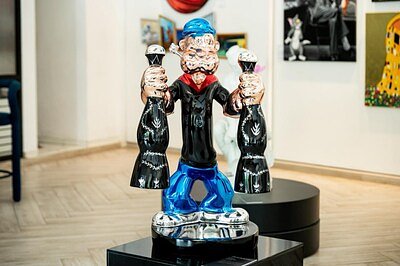
From Mall to Museum: Phoenix Palladium's Pop Art Revolution
MUMBAI, India – February 27, 2026 – The polished corridors of Phoenix Palladium, one of Mumbai's most distinguished luxury lifestyle destinations, are currently pulsating with an electrifying energy that has little to do with the latest fashion collections. From February 18th to March 1st, the mall has shed its skin as a mere commercial center to become a living, breathing art gallery, hosting an immersive pop art takeover that challenges the very definition of a public art space.
In a landmark collaboration with The Designera, India's first exclusive pop art gallery, Phoenix Palladium has been transformed into a vibrant canvas. Over 30 bold and colorful works, including 15 striking contemporary sculptures, now punctuate its sprawling atriums, line its walkways, and even interact with visitors through augmented reality. This ambitious event is not just an exhibition; it is a statement on the evolving relationship between commerce, culture, and the urban experience.
The Curated Experience: A Fusion of Global Icons and Local Voices
At the heart of the takeover is a meticulously curated collection that bridges continents and generations. Curated by The Designera, founded by Amrita Deora, the showcase creates a dynamic dialogue between international art legends and India's own rising stars. The names are a roll call of pop art royalty: Andy Warhol, the movement's undisputed father; Jeff Koons, master of the high-sheen, monumental banal; Takashi Murakami, whose "Superflat" aesthetic merges Japanese tradition with otaku culture; and the enigmatic street artist Mr. Brainwash (Thierry Guetta), known for his chaotic, image-saturated compositions.
While the presence of such iconic names would be a major draw for any museum, their placement within a bustling retail environment is a deliberate move to democratize art. These works are not sequestered in sterile white rooms but integrated into the public flow, inviting casual shoppers and seasoned art aficionados alike to engage.
This global conversation is enriched by the inclusion of leading Indian contemporary artists. The showcase features the work of Sanuj Birla, a New Delhi-based artist whose vibrant sculptures and paintings draw from a nostalgic well of 1980s comic books and pop culture. Alongside him is Maegha Saksena, a graphic art director whose "Artception" series cleverly layers pop references, art history, and high fashion, often enhanced with augmented reality (AR) technology that allows viewers to see the art come alive through their smartphones. This seamless integration of technology is a hallmark of The Designera's forward-thinking approach, aiming to make art more interactive and relevant for modern audiences.
More Than a Mall: The Rise of Experiential Retail
The pop art takeover is the latest and most audacious chapter in Phoenix Palladium's ongoing strategy to position itself as a cultural landmark. This initiative is a prime example of a powerful global trend: the evolution of retail spaces from transactional centers to experiential destinations. In an era dominated by e-commerce, brick-and-mortar establishments are fighting for relevance by offering unique, memorable experiences that cannot be replicated online. Art, it turns out, is a powerful tool in their arsenal.
By integrating museum-caliber art, the mall elevates its brand, encourages longer visits, and fosters a deeper connection with its clientele. This is not a new concept for Phoenix Palladium. The mall is already home to several iconic, large-scale permanent installations that have become landmarks in their own right. Visitors are greeted by Salvador Dalí's monumental bronze sculpture, 'Cosmic Rhinoceros', a surrealist masterpiece that blends scientific fascination with otherworldly imagination. Elsewhere, Valay Shende's 'The Mumbai Dabbawala', a stunning sculpture crafted from thousands of stainless steel discs, pays homage to the city's iconic tiffin carriers, capturing the "Spirit of Bombay" in a way that resonates deeply with local and international visitors.
These permanent works laid the groundwork, establishing the mall as a serious venue for public art. The pop art takeover builds on this foundation, transforming the entire space into a temporary, evolving gallery and signaling a long-term commitment to cultural programming as a core part of its identity.
The Business of Culture: Phoenix Mills' Strategic Vision
This fusion of art and commerce is no happy accident; it is a calculated component of the overarching business strategy of Phoenix Mills Ltd. (PML), the mall's parent company. As one of India's leading developers of "retail-led mixed-use destinations," PML operates a vast portfolio that includes over 11 million square feet of operational retail space, with millions more under development, alongside commercial, hospitality, and residential assets.
In this highly competitive landscape, cultural initiatives like the pop art exhibition serve as a critical differentiator. They transform PML's properties from generic shopping centers into unique destinations with a distinct character and appeal. This strategy, often termed 'placemaking', aims to create a sense of identity and community around a physical location, making it a more attractive place to shop, work, and live. The investment in art is thus not merely an aesthetic choice but a strategic one, designed to enhance property value, drive foot traffic to its 39 F&B outlets and numerous luxury stores, and build lasting brand loyalty.
By curating a rich cultural environment, PML is future-proofing its assets. It is catering to a new generation of consumers who prioritize experiences over possessions and seek out brands and spaces that align with their cultural values. This forward-thinking approach demonstrates a sophisticated understanding of the modern marketplace, where the line between a shopping trip and a cultural outing is becoming increasingly blurred.
Reshaping Mumbai's Cultural Landscape
Beyond the commercial implications, the pop art takeover has a significant cultural impact on Mumbai. By removing the perceived barriers of a traditional gallery—the quiet reverence, the entry fees, the sometimes-intimidating atmosphere—Phoenix Palladium makes world-class art radically accessible. Families on a weekend outing, teenagers meeting friends, and professionals on a lunch break can all encounter a work by Takashi Murakami or Jeff Koons with the same ease as they would a shop window.
This democratization of art is particularly potent in a bustling metropolis like Mumbai, where public spaces for cultural engagement are precious. The event also provides an invaluable platform for Indian artists, placing their work in direct conversation with international giants. This exposure not only elevates their profiles but also asserts the vitality and relevance of India's contemporary art scene on a global stage.
As the vibrant, audacious forms of pop art fill the halls of Phoenix Palladium, they do more than just decorate a space. They spark curiosity, initiate conversations, and challenge preconceived notions of where art belongs. This bold experiment in blending high culture with high commerce is actively reshaping the city's public realm, proving that a mall can be more than a place to buy things—it can be a place to be inspired.