
- 562 new British companies registered in Dubai in Q1 2026, bringing total active UK firms to 10,334 (330% increase since 2020).
- Non-oil trade between Dubai and the UK hit AED 42.6 billion (£9.1 billion) in 2025, a 91% jump from 2021.
- UK-GCC Free Trade Agreement (FTA) eliminates £580 million in annual duties for UK exporters, removing tariffs on 90% of automotive exports.
Experts agree that Dubai's business-friendly environment, strategic FTA benefits, and diversified economy make it an increasingly attractive destination for UK firms seeking global expansion post-Brexit.
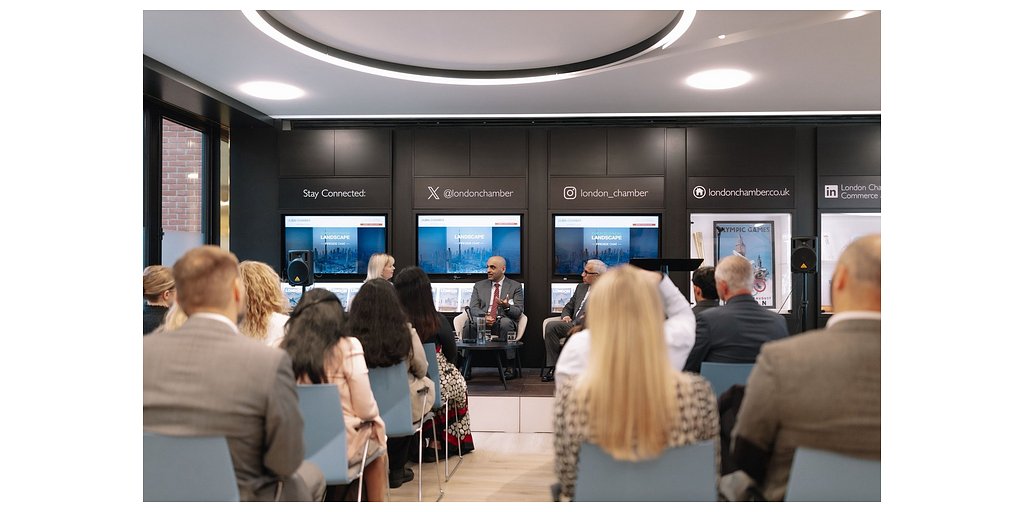
From London to Dubai: UK Firms Capitalize on Gulf's Commercial Boom
DUBAI, UAE – June 16, 2026
In a recent open dialogue hosted in London, officials from Dubai Chambers painted a vivid picture of a burgeoning economic corridor connecting the United Kingdom to the Gulf. The message, delivered to a room of leading British investors, was clear: Dubai is not just open for business; it is actively engineering a high-growth environment for UK firms seeking a launchpad for global expansion. The event, a collaboration with the London Chamber of Commerce and Industry, moves beyond diplomatic pleasantries, underscoring a strategic commercial alignment that is already yielding remarkable results.
“Dubai has emerged as a preferred investment destination for British companies seeking to expand their presence across the Middle East and global markets, supported by the city’s advanced economic model and business-friendly environment,” stated His Excellency Mohammad Ali Rashed Lootah, President and CEO of Dubai Chambers. This commitment is turning heads in a post-Brexit UK, where businesses are increasingly looking beyond traditional European markets.
A Surge of Unprecedented Scale
The numbers behind this trend are staggering. In the first quarter of 2026 alone, 562 new British companies registered with the Dubai Chamber of Commerce. This brings the total number of active UK firms to 10,334 by the end of March—a monumental 330% increase from the 2,402 companies registered at the end of 2020. This influx is mirrored in the trade data: non-oil trade between Dubai and the UK soared to AED 42.6 billion (approx. £9.1 billion) in 2025, a 91% jump from AED 23.1 billion in 2021.
This migration isn't happening in a vacuum. It reflects a stark contrast in economic trajectories. While the UK economy navigates a modest recovery with projected growth of around 0.7% for 2026, Dubai's diversified, non-oil economy—which now constitutes over 95% of its GDP—is forecast to expand by a robust 5%. This stability and growth potential, combined with what some are calling a 'Great British Exodus' of talent and capital seeking global opportunities, makes Dubai a powerful magnet.
The FTA Catalyst: Unlocking a New Era of Trade
A pivotal milestone supercharging this relationship is the recently concluded Free Trade Agreement (FTA) between the UK and the Gulf Cooperation Council (GCC) in May 2026. This landmark deal, the first of its kind between the GCC and a G7 nation, is a game-changer for British commercial interests, and Dubai is perfectly positioned as the primary gateway to capitalize on it.
The agreement is projected to eliminate an estimated £580 million in annual duties for UK exporters. For British manufacturers, this means tariffs will be removed on 90% of automotive exports, including full elimination for all passenger cars. For the UK's powerhouse services sector, the FTA provides unprecedented legal certainty and market access, particularly for financial and professional business services. Critically, the deal includes modern digital trade provisions that prohibit unjustified data localization—a first for the GCC—and promote paperless trade, significantly lowering barriers for tech firms and SMEs.
Dubai’s world-class logistics infrastructure, including Jebel Ali Port and Al Maktoum International Airport, makes it the natural hub for UK companies to leverage these new benefits to access not just the UAE, but the entire £53 billion UK-GCC trade bloc.
Beyond the Sand: Lucrative Opportunities in a Diversified Economy
The investment opportunities attracting British firms extend far beyond Dubai's historical association with oil. The emirate's ambitious Dubai Economic Agenda (D33), which aims to double the economy's size by 2033, is fueling growth in several high-value sectors.
FinTech and Technology: Dubai is rapidly becoming a global FinTech hub, supported by accelerators like the DIFC FinTech Hive and a $136 million venture capital fund from Dubai Integrated Economic Zones (DIEZ). With over 2,300 tech companies already present, the ecosystem for AI, blockchain, and digital payments is thriving.
Renewable Energy: Guided by the Dubai Clean Energy Strategy 2050, the emirate is aggressively pursuing a green transition. This creates immense opportunities for British firms specializing in solar technology, green hydrogen, and energy storage, backed by a $27 billion Green Energy Fund and massive projects like the Mohammed Bin Rashid Al Maktoum Solar Park.
Healthcare and Tourism: As a fast-growing healthcare market and a top-tier tourism destination, Dubai is seeking investment in specialized medical centers, pharmaceuticals, and large-scale hospitality projects like Palm Jebel Ali and the eco-focused Dubai Reefs. These sectors are priorities under the Dubai Industrial Strategy 2030, which encourages knowledge-based businesses.
These opportunities are underpinned by a powerful incentive structure, including 100% foreign ownership in most mainland sectors, an attractive corporate tax regime with 0% tax on profits up to AED 375,000, and long-term residency through Golden Visas for investors and entrepreneurs.
From Prototype to Profit: The View from the Ground
For British entrepreneurs on the ground, Dubai offers more than just favorable policies; it provides a dynamic ecosystem for commercialization. Many laud the emirate as a strategic gateway to the Middle East, Africa, and Asia, facilitating accelerated growth. “It’s a strategic repositioning for ambitious UK businesses seeking stability and global connectivity,” noted one British founder who recently relocated their operations.
However, the path from prototype to profit is not without its challenges. Navigating Dubai’s distinct legal landscape, with its different rules for mainland, offshore, and free zone companies, can be complex. “Opening a business bank account can be a lengthy process, often taking several months without the right support and documentation,” cautioned a business setup consultant based in the city.
Other potential pitfalls include managing payment risks, as the practice of delaying supplier payments can impact SME cash flow, and understanding the nuances of local labor laws. Entrepreneurs must also plan for the long term, as residency is often tied to business ownership or employment, requiring a robust exit and retirement strategy.
This is where organizations like Dubai Chambers and the British Chamber of Commerce Dubai (BCCD) become critical partners. By providing market intelligence, networking opportunities, and practical support, they help British firms navigate these complexities, turning potential pitfalls into manageable steps on the road to commercial success in a market ripe with opportunity.