
- 30-50% reduction in cooling costs by upgrading from a 10-SEER to a 16-SEER2 system.
- Up to 30% energy loss from leaky ducts, per EPA estimates.
- Minimum 14.3 SEER2 required for new HVAC systems in the Southwest (2023 federal standard).
Experts agree that modern HVAC systems with variable-capacity technology and proper installation offer superior efficiency, comfort, and long-term cost savings compared to older models.
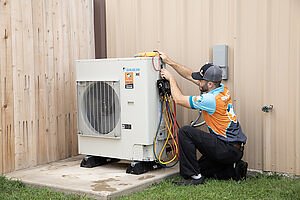
Beyond Cold Air: How Modern HVAC Systems Deliver Comfort and Efficiency
TULSA, OK – June 17, 2026 – As the Oklahoma sun beats down, the familiar hum of an air conditioner is the soundtrack of summer. For decades, the mission of residential cooling was simple: make hot air cold. But a quiet revolution is underway, transforming the brute-force appliance in our backyards into a sophisticated, intelligent system designed for holistic performance. The conversation is no longer just about temperature, but about efficiency, air quality, humidity, and operational elegance. This shift represents a move from mere utility to a core component of a resilient, high-performing home.
A recent dispatch from Quality Heating, Cooling, Plumbing & Electric, a Glenpool-based home services company, highlights this evolution. As local experts, they are seeing firsthand how advances in cooling technology are fundamentally changing homeowner expectations. “Homeowners today want more than just cold air,” noted Cassie Pound, co-owner of the firm. “They want systems that run quietly, respond to their household's needs and operate efficiently throughout the day.”
This statement cuts to the heart of the matter. The modern HVAC system is no longer a blunt instrument but a responsive partner in creating a stable and comfortable indoor environment. It’s an evolution that speaks directly to the principles of performance and permanence, where value is created not through short-term fixes but through durable, intelligent design.
The New Standard of Performance
The most significant leap forward in modern cooling lies in variable-capacity technology. Older, single-stage systems operate on an all-or-nothing basis, blasting cold air at full power until the thermostat is satisfied, then shutting off completely. This constant cycling creates noticeable temperature swings, uneven cooling, and a jarring auditory experience. It’s effective, but inefficient and crude.
Modern systems with variable-speed motors operate more like the cruise control in a car. Instead of slamming on the gas and then coasting, they make continuous, minute adjustments, running at lower speeds for longer periods to precisely match the home's cooling demand. According to the U.S. Department of Energy, this approach not only maintains a far more consistent temperature—eliminating the hot and cold spots that plague older setups—but also excels at humidity management. By running longer, the system has more time to pull moisture from the air, a critical factor for comfort in Oklahoma's often-humid climate.
This operational shift delivers a cascade of benefits. Quieter operation is an immediate and welcome change, as the system hums along at a low level rather than roaring to life intermittently. Enhanced airflow performance improves air filtration, contributing to better indoor air quality. And critically, this adaptive output reduces mechanical stress. The constant starting and stopping of a traditional unit is a major source of wear and tear on components. A variable-speed system, by contrast, operates more smoothly, suggesting a path to greater system longevity—a hallmark of permanence in a significant home investment.
The Economics of Efficiency: A Long-Term Value Play
While enhanced comfort is a powerful motivator, the financial calculus of modern HVAC is equally compelling. The efficiency of air conditioners is measured by a SEER (Seasonal Energy Efficiency Ratio) rating, recently updated to the more stringent SEER2 standard. As of 2023, federal regulations mandate a minimum of 14.3 SEER2 for new systems in the Southwest region, which includes Oklahoma. This is a world away from units installed just 15-20 years ago, which might have a SEER rating of 8 or 9.
The difference in energy consumption is staggering. Upgrading from an old 10-SEER unit to a modern 16-SEER2 system can reduce cooling costs by 30-50%. In a state with a long and demanding cooling season, these savings can amount to hundreds of dollars annually, fundamentally altering the long-term cost of ownership. This is where the initial investment in a high-efficiency system begins to look less like an expense and more like a defensive strategy against volatile and rising energy prices. Local utility providers like Public Service Company of Oklahoma (PSO) even offer rebates for such upgrades, acknowledging their role in reducing strain on the energy grid.
Of course, high-performance technology comes with a higher upfront cost. A top-tier variable-speed system can be a significant investment, leading many homeowners to weigh the cost of a major repair against a full replacement. However, when an aging system requires frequent and costly repairs—especially for major components like a compressor—the math increasingly favors replacement. The long-term energy savings, combined with improved reliability and comfort, can create a payback period of just a few years, making it a sound financial decision that adds tangible value to the property.
The Unseen Engine: Why Professional Installation is Non-Negotiable
The promise of modern HVAC technology, however, is not contained entirely within the box. Its potential can only be unlocked through expert installation—a fact that is often overlooked. “An efficient system only performs well when it's installed correctly and designed for the home,” Pound rightly points out.
This is the critical link between performance and permanence. An improperly installed system, no matter how advanced, will fail to deliver on its promises of efficiency and comfort. Industry experts confirm that several factors are non-negotiable. First is proper sizing. A system that is too large for the home will “short-cycle,” turning on and off rapidly. This not only wastes energy but also fails to dehumidify the air properly, leaving the home feeling cool but clammy. An undersized unit will run constantly on the hottest days, unable to keep up.
Equally important is the integrity of the ductwork. According to the EPA, leaky ducts can account for up to 30% of a system’s energy consumption, effectively bleeding cooled air into attics and crawlspaces. A professional installer ensures ductwork is sealed and properly configured. Other technical details, like achieving the correct refrigerant charge and ensuring adequate airflow around the unit, are just as vital. “A high-SEER2 unit connected to leaky ducts is like a Formula 1 car with flat tires,” one independent HVAC consultant explained. “You have all this incredible engineering, but the infrastructure can’t support it.”
This underscores the value of working with qualified, reputable professionals who understand that the system is only one part of a larger equation. The true product is not the equipment itself, but the properly functioning, integrated system that provides years of reliable, efficient service. The decision to upgrade a home's cooling is therefore a strategic choice—an investment in a resilient infrastructure that enhances daily life while delivering consistent, long-term value.