
- 450 global locations: Freedom Boat Club's milestone expansion since its 1989 inception.
- 8.8% decline in boat sales (2025): Contrasts with Brunswick’s resilience due to service-based segments.
- Recurring revenue model: Membership fees and captive market for Brunswick brands.
Experts would likely conclude that Freedom Boat Club's aggressive expansion reflects a strategic shift toward 'boating-as-a-service,' offering financial stability amid industry volatility but facing operational challenges in scaling quality and availability.
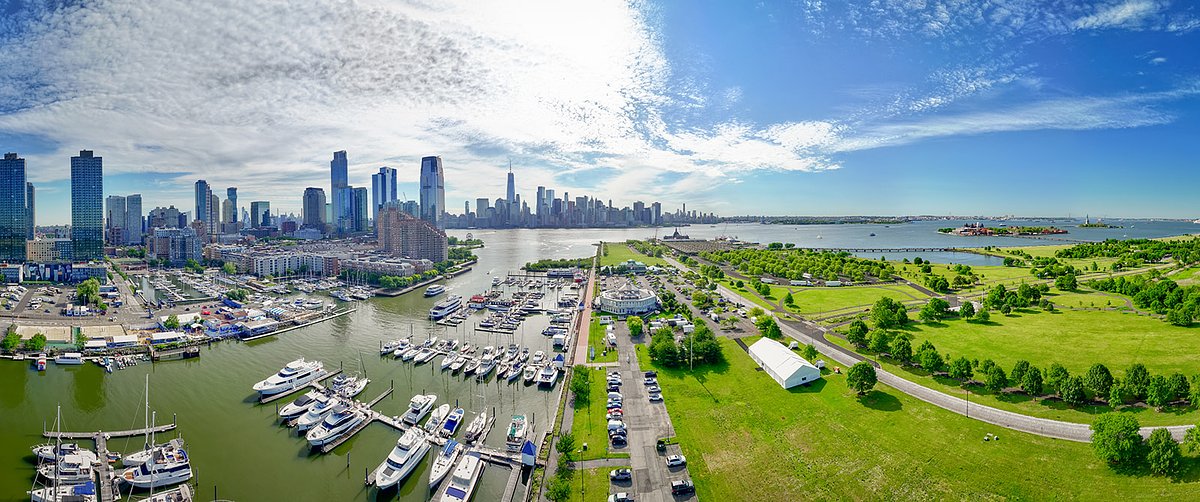
Freedom Boat Club’s Growth Charts New Waters for the Marine Industry
VENICE, FL – June 23, 2026 – With the iconic backdrop of the Manhattan skyline, Freedom Boat Club, a division of marine giant Brunswick Corporation, celebrated the opening of its 450th global location at Liberty Landing Marina in Jersey City. The milestone is a powerful symbol of the company's aggressive expansion and the surging consumer appetite for shared-access leisure. While the occasion marks a moment of triumph, it also casts a spotlight on a profound strategic shift underway in the marine industry—a move away from traditional ownership and towards a "boating-as-a-service" model that Brunswick is betting on heavily.
This rapid growth, which has seen Freedom Boat Club’s footprint more than double since its acquisition by Brunswick in 2019, reflects a disciplined strategy to democratize boating. However, behind the celebratory headlines lies a complex narrative of financial synergy, operational challenges, and the tangible impacts on local communities from New Jersey to the south of France.
A Strategic Anchor for Brunswick
For parent company Brunswick Corporation, Freedom Boat Club is far more than just a successful subsidiary; it's a strategic linchpin. In an industry often subject to the cyclical whims of big-ticket consumer spending, the club provides a crucial stream of recurring revenue that offers a buffer against market volatility. While the National Marine Manufacturers Association reported an 8.8% decline in new boat sales in 2025 amid rising interest rates and economic uncertainty, Brunswick’s recent financial performance has remained robust, a resilience partly credited to its growing service-based segments.
Financial reports underscore the club's importance. In 2025, Freedom Boat Club contributed significantly to Brunswick’s Boat segment sales and was highlighted as a key factor in the company’s revenue growth. This model not only generates consistent membership fees but also creates a captive market for Brunswick's wider ecosystem. Every new Freedom location is a potential showroom for Brunswick's boat brands like Sea Ray and Bayliner, and a guaranteed service client for its Mercury Marine engines and parts.
“This milestone is a direct result of disciplined execution, a differentiated model and the enduring appeal of the boating lifestyle,” said Cecil Cohn, Freedom Boat Club president, in a recent statement. This "disciplined execution" is evident in Brunswick's strategy to leverage the club to introduce new consumers to boating, creating what executives hope is a lifelong relationship with the Brunswick family of brands.
The Shifting Tides of Boating Access
At the heart of Freedom Boat Club's success is its simple, yet revolutionary, value proposition: all the joys of boating with none of the traditional hassles. Members pay an initiation fee and monthly dues for unlimited access to a fleet of boats, bypassing the costs and labor of ownership, from maintenance and insurance to cleaning and storage. For many, it's an irresistible offer.
However, the reality of this "hassle-free" experience can be complex. As the club’s membership swells, so do the operational pressures. Online forums and member reviews reveal a recurring pain point: boat availability. "Booking a boat on a holiday weekend requires planning weeks, sometimes a month, in advance," noted one long-time member on a boating forum. In high-demand locations, securing a reservation during peak times has become a significant challenge, suggesting that in some areas, membership growth may be outpacing fleet expansion.
Maintenance and service quality also present hurdles. While many members praise the condition of their local fleets, others report issues ranging from dirty boats to malfunctioning equipment and last-minute cancellations due to mechanical problems. These inconsistencies highlight the challenges of maintaining uniform standards across a sprawling network of both corporate-owned and franchised locations. This competitive landscape, which includes rivals like Carefree Boat Club and newer, more flexible models like BoatPass, means that delivering a consistently premium experience is paramount for retention.
Global Expansion Meets Local Realities
The club’s expansion is not just a corporate story; it’s one that unfolds in local communities around the world. The recent additions of locations in Sète and Gruissan in France, Cleveland Harbor Marina, and Savannah, Georgia, illustrate a global strategy with tangible local impacts. For these waterfront communities, the arrival of a Freedom Boat Club can be an economic boon.
Marinas are powerful economic engines, creating specialized jobs in maintenance and hospitality, stimulating local tourism, and driving business to nearby restaurants and retailers. The influx of club members, often tourists or local residents with disposable income, can help revitalize waterfront districts and diversify local economies.
Yet, this growth is not without its own set of concerns. Increased boat traffic can lead to marina congestion and place greater strain on local infrastructure. It also raises environmental questions. As the broader marine industry trends toward sustainability with electric propulsion and eco-friendly materials, the responsibility falls on large-scale operators like Freedom Boat Club to manage their environmental footprint, from waste management to protecting sensitive marine ecosystems. The company’s ability to balance rapid expansion with responsible local stewardship will be a critical factor in its long-term success and community acceptance.
Navigating the Challenges of Rapid Growth
Freedom Boat Club's trajectory from a single location in 1989 to a global network of 450 is a remarkable business case. Now, its greatest challenge is managing the complexities that come with that scale. Ensuring a consistent, high-quality member experience across different countries, cultures, and a mix of franchise and corporate governance models is a monumental operational task.
The company's vision, as articulated by its leadership, is to "get more people on the water" by being present in every premier boating market. This ambition requires not only identifying new locations but also scaling the fleet, staff, and support systems to meet ever-growing demand without diluting the brand promise. As it expands further into international territories like the United Arab Emirates, navigating diverse regulatory landscapes will add another layer of complexity.
Ultimately, Freedom Boat Club's 450th location is more than a number; it’s a marker in the ongoing evolution of the experience economy. The company has successfully tapped into a powerful consumer desire for access over ownership, and in doing so, has positioned itself as a formidable force in the future of marine recreation.