
- 18% lighter bottles, reducing environmental footprint
- 100% renewable energy-powered distillery for over a decade
- Carbon Neutral certification from the UK's Carbon Trust
Experts would likely conclude that Flor de Caña's redesign strategically aligns sustainability with premium branding, setting a new standard for responsible luxury in the spirits industry.
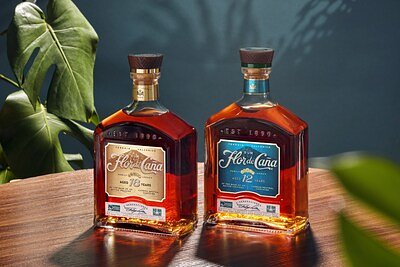
Flor de Caña Redesigns Rum: A Toast to Sustainable Luxury
MIAMI, FL – March 16, 2026 – In a move that artfully blends 135 years of history with a forward-looking vision, Flor de Caña has unveiled a comprehensive redesign of its premium rum portfolio. The new look, now appearing on shelves across the United States, is more than a simple cosmetic update; it's a strategic declaration of the brand's core identity, doubling down on its commitment to sustainability, heritage, and premium quality. While the celebrated, sugar-free rum inside the bottle remains unchanged, the vessel that carries it has been thoughtfully re-engineered to better tell its remarkable story.
Launched to commemorate a five-generation family legacy that began in 1890, the redesign touches every expression in the portfolio. The brand's goal is clear: to elevate its global presence by making its deep-rooted values of environmental stewardship and craftsmanship immediately apparent to the consumer, right from the first glance.
A Greener Spirit in a Lighter Bottle
The most significant and impactful change is one of reduction. The new bottles are 18% lighter than their predecessors, a deliberate choice aimed at shrinking the brand's environmental footprint. This single modification has a cascade of positive effects, reducing the raw materials and energy needed for glass production and, crucially, lowering emissions associated with transportation. In an industry where heavy, ornate bottles have long been a shorthand for luxury, Flor de Caña is betting that the new symbol of premium is responsibility.
This move aligns the packaging with a sustainability ethos that has been central to the distiller's operations for years, long before it became a marketing trend. The Nicaraguan rum producer holds a Carbon Neutral certification from the UK's Carbon Trust, a rigorous standard that verifies the company offsets all emissions across the product's entire lifecycle. Furthermore, its distillery has been powered by 100% renewable energy for over a decade, using biomass from leftover sugarcane to generate electricity. The new packaging now proudly displays these credentials, transforming the bottle into an ambassador for the brand's verifiable eco-conscious practices.
Beyond the lighter weight, the entire packaging ecosystem has been overhauled. Labels are printed with vegetable-based inks, and the overall process has been refined to minimize paper waste. The packaging is fully recyclable, encouraging consumers to participate in a circular economy. These are not isolated initiatives but part of a holistic philosophy that has earned the brand numerous accolades, including Fair Trade certification for its ethical production standards.
Weaving Heritage into Modern Design
While sustainability is a clear focus, the redesign also serves to enhance the brand's premium character and storytelling. The new aesthetic skillfully balances a rich past with a clean, modern sensibility. Each bottle now features more pronounced details that narrate its journey from a volcanic terroir to a globally recognized spirit.
Refined finishes celebrate the brand's craftsmanship. A new wooden stopper sits atop the bottle, a tactile nod to the American white oak barrels where the rum is naturally aged without sugar or artificial ingredients. A signature green belt wraps around the bottle, a visual cue symbolizing the brand's long-standing commitment to its environment. These elements are designed to create a more engaging sensory experience for the consumer, inviting them to appreciate the history and process behind the liquid.
The label prominently highlights the rum's volcanic origin, aged at the base of an active volcano, which the company credits for the spirit's unique smoothness and character. By making these historical and geographical markers more visible, Flor de Caña is ensuring that its five-generation legacy is not just a footnote but a central part of its identity, resonating with consumers who seek authenticity and a compelling backstory in the products they choose.
Reading the Room: Packaging and the Conscious Consumer
The redesign is a savvy response to a significant shift in consumer behavior. Today's drinkers, particularly younger demographics, are increasingly looking beyond taste and price. They are investing in brands that reflect their own values, with sustainability, transparency, and ethical production becoming powerful drivers of choice. Flor de Caña's revamped packaging speaks directly to this conscious consumer, providing clear, tangible reasons to choose their rum over a competitor.
The spirits industry is witnessing a redefinition of luxury. While quality and craftsmanship remain paramount, the concept is expanding to include environmental and social responsibility. By leading with its Carbon Neutral certification and lighter bottle, Flor de Caña is positioning itself at the forefront of this movement in the rum category. The brand is proving that a company can pursue premiumization while simultaneously deepening its commitment to the planet.
This strategy is also likely to resonate with retailers, who are keen to stock products that have a clear point of differentiation and appeal to modern consumer sensibilities. The enhanced storytelling on the bottle makes it an effective marketing tool on a crowded shelf, capable of communicating value and values in the few seconds it has to capture a shopper's attention. As the new design continues its rollout, it represents a case study in how to evolve a legacy brand to maintain relevance and appeal in a rapidly changing market. By lightening its bottle, Flor de Caña is strengthening its message, proving that true quality lies not in weight, but in substance.