
- 62% biobased content in EcoFresh ER1000 variant
- 43% biobased content in EcoFresh EH1000 variant
- 21% increase in demand for bio-based textile formulations (2022-2024)
Experts agree that Microban's USDA-certified EcoFresh technology sets a new standard for sustainable performance in textiles, combining renewable resource sourcing with rigorous environmental safety standards.
Fresh-Wear Frontier: Biobased Tech Earns USDA Eco-Label
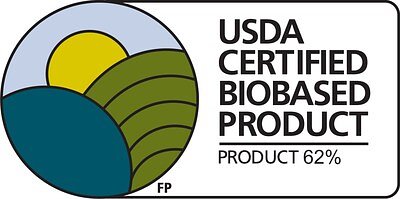
HUNTERSVILLE, NC – April 29, 2026 – In a significant move toward greener chemistry in the textile industry, Microban International has secured the prestigious U.S. Department of Agriculture (USDA) Certified Biobased Product Label for its EcoFresh™ odor-control technology. The certification for the ER1000 and EH1000 variants provides verifiable, third-party proof of the products' composition from renewable resources, addressing a growing market of consumers and brands who demand both high performance and environmental accountability.
This certification places Microban at the forefront of a major industry trend, offering a solution that keeps activewear, outdoor gear, and uniforms fresher for longer, while simultaneously reducing reliance on traditional petroleum-based chemicals. The development represents a key milestone in the quest for materials that do not force a compromise between functionality and sustainability.
The New Standard for Sustainable Performance
At its core, EcoFresh is an advanced, water-based technology designed to be integrated directly into textiles to capture and reduce offensive odors. It tackles a wide range of unwanted smells, from sweat and body odor common in athletic apparel to external contaminants like campfire or cigarette smoke that can cling to fabrics. By neutralizing odors at the source, the technology helps extend the wearable life of garments between washes, saving water, energy, and time.
The technology is available in two specialized variants to accommodate different manufacturing needs. EcoFresh ER1000, which now boasts a verified 62% biobased content, is compatible with durable water repellents. Its counterpart, EcoFresh EH1000, contains 43% biobased content and is designed for use with wicking aids, which are crucial for moisture management in performance fabrics.
A key advantage of the EcoFresh platform is its seamless integration into existing textile manufacturing processes. As a nonionic technology, it can be applied via standard exhaust, padding, and spray methods without requiring additional steps or equipment. This “mill-friendly” approach is critical for scalability, allowing manufacturers to easily adopt the technology across a vast array of fabrics, including polyester, nylon, cotton, spandex, and various blends. Crucially, it preserves the inherent qualities of the base material, maintaining the fabric's hand-feel, breathability, and aesthetic appeal—a non-negotiable for high-end performance brands.
Beyond the Hype: The Power of Verifiable Claims
In an era where “greenwashing” and vague environmental marketing can erode consumer trust, third-party certifications provide a vital layer of transparency and credibility. The USDA Certified Biobased Product Label is a prime example, offering a clear, science-backed metric for a product's renewable content. To earn the label, products must undergo rigorous testing at an independent, accredited laboratory using the ASTM D6866 standard, which precisely measures the percentage of a product derived from renewable sources like plants, animals, or marine materials.
This verification process is a cornerstone of the USDA BioPreferred® Program, which was established to promote the use of biobased products and reduce the nation's reliance on fossil fuels. By displaying the certified biobased content—62% for ER1000 and 43% for EH1000—Microban provides brands and consumers with unambiguous data to support their purchasing decisions.
“We applaud Microban International for earning the USDA Certified Biobased Product Label,” said Vernell Thompson of the USDA BioPreferred Program. “The label is intended to help spur economic development, create new jobs and provide new markets for farm commodities. But the label also makes it easier for consumers and federal buyers to locate biobased products and consider planet-friendlier options during purchase decisions.” Thompson added that by obtaining the certification, Microban “joins an expanding list of businesses combatting inaccurate marketing claims and the practice of greenwashing.”
A Dual Approach to Eco-Conscious Chemistry
Underscoring its comprehensive commitment to sustainability, the EcoFresh technology is also bluesign® APPROVED. This certification is globally recognized as one of the most stringent standards for environmental health and safety in textile production. While the USDA label verifies what a product is made from (its biobased content), the bluesign® system certifies how it is made.
The bluesign® system analyzes every step of the manufacturing process, from the chemical inputs to the final fabric output. It focuses on a principle of Input Stream Management, ensuring that only chemicals and processes that are safe for the environment, workers, and consumers are used. This holistic approach aims to optimize resource productivity, reduce water and air emissions, and eliminate hazardous substances from the supply chain.
By holding both the USDA Certified Biobased Product Label and bluesign® APPROVAL, EcoFresh offers a powerful, two-pronged validation of its eco-credentials. This dual certification assures partner brands and their customers that the technology is not only derived from renewable resources but is also manufactured in a manner that respects environmental and human health, setting a new benchmark for responsible innovation in the textile additives market.
Fueling the Bioeconomy from Farm to Fabric
The adoption of biobased technologies like EcoFresh extends far beyond a single product or company, tapping into the broader, burgeoning bioeconomy. This economic model centers on using renewable biological resources to produce goods, materials, and energy, creating a more circular and sustainable alternative to the linear, fossil-fuel-based economy. By turning feedstocks from plants, forests, and marine life into high-performance industrial products, the bioeconomy fosters innovation, supports rural communities, and strengthens economic resilience.
The market for sustainable textile chemicals is expanding rapidly, with one analysis noting a 21% increase in demand for bio-based formulations between 2022 and 2024. This growth is driven by a confluence of factors: tightening environmental regulations, corporate sustainability goals, and, most importantly, a clear and growing consumer preference for products that align with their values.
Microban's innovation serves as a tangible example of this economic shift in action. It connects agricultural and forestry resources directly to the advanced materials sector, creating value throughout the supply chain. As manufacturers in the activewear, outdoor, and uniform markets actively integrate EcoFresh into their product lines, it signals a wider industry recognition that the future of performance textiles is inextricably linked to environmental stewardship. These advancements demonstrate that cutting-edge functionality and a reduced ecological footprint are no longer competing interests but are instead the combined cornerstones of modern product design.