
- 15 million counterfeit products disposed of by Amazon in 2024 alone
- 2023 report found counterfeit eye vitamins sold on Amazon
- Fake supplements may contain sawdust, drywall, or antibiotic-resistant bacteria
Experts agree that counterfeit supplements pose significant health risks and that e-commerce platforms must adopt more proactive measures to protect consumers from fraudulent products.
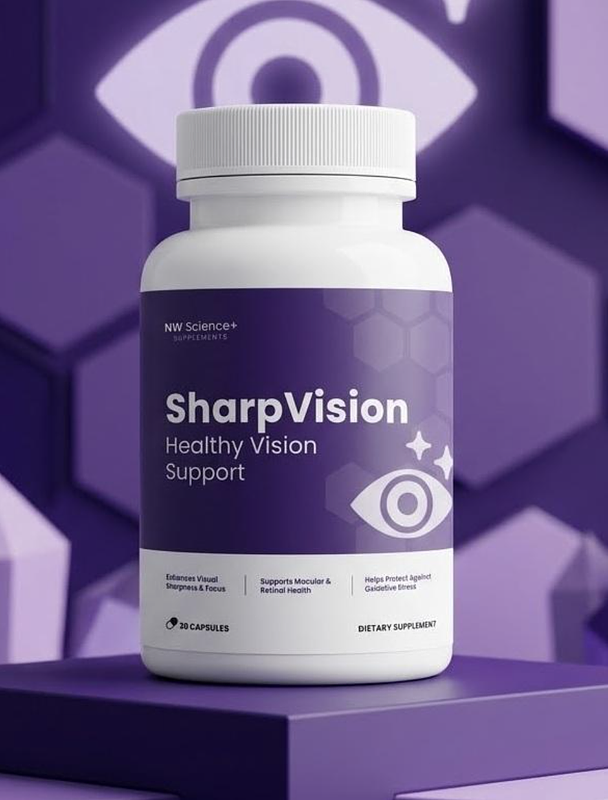
Fake Eye Supplements: A Blurry Risk for Online Shoppers
NEW YORK, NY – May 27, 2026 – A stark consumer alert, dubbed the "Sharp Vision 2026 warning," is bringing a dangerous and growing black market into focus: the proliferation of counterfeit health supplements on major e-commerce platforms. The warning, issued by the makers of the Sharp Vision eye health supplement, highlights a problem far bigger than a single brand, exposing how easily consumers seeking nutritional support can fall prey to fraudulent products with potentially hazardous consequences.
As consumer interest in wellness products skyrockets, so does the lucrative market for fakes. Unauthorized sellers are increasingly hijacking the branding of popular supplements, flooding online marketplaces like Amazon and eBay with convincing but dangerous imitations. These counterfeit products often contain incorrect dosages, undisclosed fillers, or entirely different ingredients, turning a consumer's proactive step toward health into a significant gamble.
A Shadow Industry Worth Billions
The issue extends well beyond eye health. The global trade in counterfeit goods is a multi-billion dollar shadow industry, and dietary supplements are a prime target. Due to a regulatory framework that is often less stringent than for pharmaceutical drugs, the supplement market offers a low barrier to entry for criminals.
Industry watchdogs have been sounding the alarm for years. The Natural Products Association has repeatedly warned of risks from adulterated products, while independent investigations have uncovered widespread fraud. A 2023 report from ConsumerLab.com, for instance, found counterfeit versions of popular eye vitamins being sold directly to consumers on Amazon. This trend is exacerbated by complex international supply chains and the anonymity afforded by online marketplaces, making it incredibly difficult to hold counterfeiters accountable.
The economic scale is staggering, but the human cost is the most pressing concern. When a consumer buys a fake supplement, they are not just losing money; they are potentially ingesting unknown substances and forgoing the benefits of the authentic product they sought.
E-commerce Platforms on the Front Lines
At the heart of this crisis are the e-commerce giants that have become the modern-day marketplace. While platforms like Amazon and eBay have implemented programs to combat fakes—such as Amazon's Brand Registry and Project Zero, and eBay's Verified Rights Owner (VeRO) program—critics argue these measures are often reactive and insufficient.
"The platforms are playing a constant game of whack-a-mole," noted a brand protection expert. "For every counterfeit listing they take down, two more can pop up under a different seller account."
In response, platforms are stepping up their efforts. Amazon's Counterfeit Crimes Unit, established in 2020, now actively pursues legal action against counterfeiters, reporting that it identified and disposed of over 15 million counterfeit products in 2024 alone. However, the legal debate over platform liability continues. While Section 230 of the Communications Decency Act has historically shielded platforms from liability for third-party content, proposed legislation like the SHOP SAFE Act aims to hold them more accountable for counterfeit goods that pose health and safety risks.
This legislative push reflects a growing consensus that more proactive measures are needed to vet sellers and protect consumers from harm in the sprawling digital marketplace.
From Ineffective to Dangerous: The Real Risks
The dangers of counterfeit supplements range from simply being ineffective to being actively harmful. The Sharp Vision warning specifies that its authentic formula contains a disclosed blend of Lutein, Zeaxanthin, Bilberry Extract, and specific vitamins and minerals. Counterfeits, however, are a black box.
The most frightening recent example comes from the eye drop market. In early 2024, the FDA issued warnings about counterfeit eye drops sold online that were contaminated with antibiotic-resistant bacteria, Burkholderia cepacia complex, which can cause severe infections and even blindness. These products mimicked the packaging of legitimate brands but lacked the correct active ingredient and were manufactured in unregulated facilities.
Beyond direct contamination, fake supplements often contain incorrect dosages, rendering them useless. This creates a false sense of security and can lead individuals to delay seeking proper medical care for serious conditions. In the worst cases, counterfeit pills have been found to contain everything from sawdust and drywall to undeclared pharmaceutical ingredients that can cause severe adverse reactions, including heart palpitations, seizures, or liver damage.
What Consumers Should Actually Look For
In contrast to the uncertainty of fakes, legitimate products like Sharp Vision are characterized by transparency. The authentic formula is manufactured in an FDA-registered, GMP-certified facility and clearly discloses its ingredients, allowing consumers and healthcare providers to assess its nutritional profile.
These ingredients are often backed by scientific research. For example:
* Lutein and Zeaxanthin: These carotenoids are found naturally in the macula of the eye. A large body of research, including the landmark Age-Related Eye Disease Study 2 (AREDS2), has shown that supplementation can help protect the eyes from harmful blue light and may slow the progression of age-related macular degeneration (AMD).
* Vitamins C & E, Zinc, and Selenium: This combination of antioxidants and minerals plays a vital role in protecting cells from oxidative stress and supporting the eye's overall structure and function. Zinc, for example, is crucial for transporting Vitamin A to the retina.
* Bilberry Extract: Rich in antioxidants called anthocyanins, bilberry has been studied for its potential to reduce eye strain and support circulation to the retina.
It is critical, however, for consumers to understand that dietary supplements are intended for nutritional support and are not FDA-approved to diagnose, treat, cure, or prevent any disease. They are not a substitute for professional medical care.
Protecting Your Health and Your Wallet
As consumer search patterns for terms like "Sharp Vision 2026 warning" and "is Sharp Vision legit" demonstrate, shoppers are becoming more vigilant. Navigating the market safely requires a proactive and skeptical approach.
The most critical step is to control the source. The makers of Sharp Vision state that their product is sold exclusively through their official website to guarantee authenticity. This direct-to-consumer model is a common strategy for reputable brands to combat counterfeiting. Any listings for the product on Amazon, eBay, or other third-party sites are unauthorized and should be considered highly suspicious.
Consumers should also be wary of erratic pricing and deals that seem too good to be true, as these are classic red flags for counterfeit goods. Always inspect packaging upon arrival for discrepancies in labeling, seals, or print quality. Finally, before starting any new supplement, consulting with a healthcare professional is essential, especially for individuals with pre-existing medical conditions or those taking other medications.