
- $21 billion: Global automotive infotainment market value in 2024, projected to surpass $41 billion by 2033.
- 90%: Adoption rates of Android Auto and Apple CarPlay in new U.S. vehicle models.
- 12 seconds: Maximum total task time for driver interaction with infotainment systems per NHTSA guidelines.
Experts agree that automated testing for in-car apps is a critical advancement for ensuring software reliability, safety, and compliance in the rapidly evolving automotive industry.
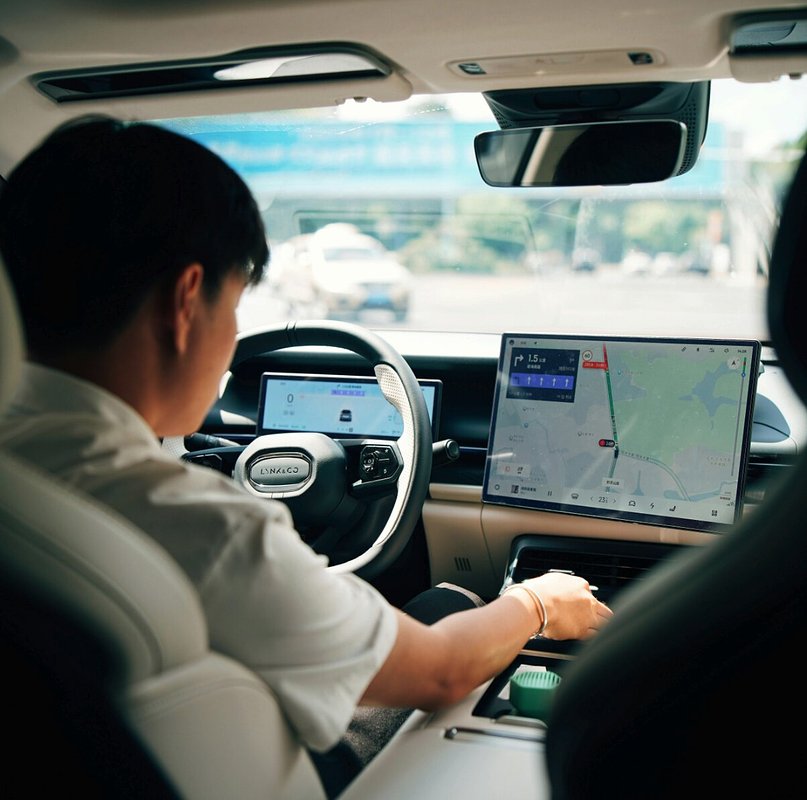
Driving a New Standard: Automated Testing for In-Car Apps Arrives
RALEIGH, N.C. – January 21, 2026 – As vehicles become increasingly defined by their software, AI-powered software delivery firm Digital.ai has launched a platform it claims is an industry-first: end-to-end automated testing for Android Auto and Apple CarPlay applications. The new solution aims to solve a critical and costly bottleneck for automakers and app developers by allowing them to validate in-car digital experiences at scale without relying on physical vehicles or complex hardware labs.
The announcement comes at a crucial moment for the automotive industry, which is grappling with soaring consumer expectations for seamless digital integration and the immense complexity of ensuring software is both reliable and safe. By expanding its automotive testing capabilities, Digital.ai is positioning itself as a key enabler for the next generation of connected cars.
The Software-Defined Vehicle Challenge
The modern car is no longer just a feat of mechanical engineering; it is a sophisticated computer on wheels. This shift toward the "software-defined vehicle" has made the in-car infotainment system a central battleground for brand differentiation and customer loyalty. Today, drivers expect the intuitive, responsive experience of their smartphone to be seamlessly projected onto their dashboard.
The market reflects this demand. The global automotive infotainment market was valued at over $21 billion in 2024 and is projected to surpass $41 billion by 2033. Platforms like Android Auto and Apple CarPlay dominate this space, with adoption rates in new U.S. vehicle models exceeding 90%. However, delivering a flawless experience across this ecosystem is a monumental challenge. Developers must account for a bewildering matrix of variables, including countless combinations of vehicle models, head unit display sizes, smartphone operating system versions, and hardware configurations.
Traditionally, testing these applications has been a slow, expensive, and resource-intensive process. It often required large fleets of physical vehicles, specialized lab setups with actual head units, and significant manual effort to run through test cases. This approach is not only inefficient but also struggles to scale, making it difficult to keep pace with agile development cycles and the constant stream of software updates.
“Drivers expect the same polished, intuitive digital experience in their cars that they enjoy on their phones,” said Derek Holt, CEO of Digital.ai, in a statement. “Historically, building and testing in-car applications at scale has been extremely difficult, where complexity is compounded by variable display sizes, OS versions, hardware setups, compliance requirements, and safety considerations.”
A New Path for Quality Assurance
Digital.ai's new platform addresses these challenges by moving the entire testing process into a virtual, cloud-based environment. The solution enables development teams to automate critical in-car app workflows for both Android Auto and Apple CarPlay, simulating the projected experience without needing physical hardware. This allows for the validation of real-world behavior, from navigation and media playback to voice commands and third-party app integration, across a vast range of simulated environments.
While other companies offer tools for mobile app automation or embedded automotive system testing, Digital.ai's claim as an "industry-first" rests on its specific, unified approach. It provides a single platform for end-to-end testing of the projected interfaces from the two dominant mobile ecosystems, a capability that previously required custom-built solutions or a patchwork of disparate tools. By integrating this into a standard continuous integration/continuous delivery (CI/CD) pipeline, developers can receive immediate feedback on code changes, dramatically accelerating development and release cycles.
The benefits extend beyond speed. By eliminating the dependence on physical test fleets, automakers and app developers can realize significant cost savings. Furthermore, the platform's scalability allows for a level of test coverage that is practically unattainable through manual methods. Teams can run thousands of tests concurrently, simulating different driving conditions and user interactions to uncover bugs and performance issues that might otherwise go unnoticed until a vehicle is already on the road.
Navigating a Maze of Regulations and Safety
The push for better testing is not just about user experience and cost; it is fundamentally about safety. As infotainment systems become more complex, so does the risk of driver distraction. Regulatory bodies worldwide are paying close attention. In the United States, the National Highway Traffic Safety Administration (NHTSA) has issued strict voluntary guidelines to limit the time drivers spend interacting with screens. These rules suggest that any single glance away from the road should be no more than two seconds, and total task time should not exceed 12 seconds.
Ensuring compliance with these and other standards, such as Automotive SPICE (ASPICE) for software development processes and ISO 26262 for functional safety, is a non-negotiable requirement for automakers. Failure to do so can lead to costly recalls, legal liabilities, and irreparable damage to a brand's reputation. Software-related issues have become a leading cause of vehicle recalls, underscoring the critical need for more robust validation.
Automated testing platforms provide a powerful tool for navigating this regulatory landscape. By generating detailed, reproducible logs for every test, they create a clear audit trail that can be used to demonstrate compliance. The ability to automate the verification of distraction guidelines—for instance, by ensuring certain functions are locked while the vehicle is in motion—helps build safety directly into the development process. This allows teams to "reduce risk, accelerate releases, and ultimately, protect drivers on the road," as Holt noted.
Reshaping the Automotive Development Ecosystem
The introduction of scalable, automated testing for infotainment systems is poised to have a significant impact on the entire automotive ecosystem. For large automotive OEMs, the technology offers a direct path to faster innovation and a stronger competitive position. By shortening development cycles, they can bring new digital features to market more quickly and confidently, responding faster to consumer trends. This efficiency translates into a better customer experience and stronger brand loyalty.
For the growing community of third-party application developers—from navigation and music streaming services to food ordering and parking apps—the barrier to entry is lowered. Instead of needing access to a wide range of physical vehicles to ensure their app works correctly, developers can use the virtual platform to validate compatibility across hundreds of configurations. This democratization of testing enables smaller players to compete and encourages a richer, more diverse app ecosystem for drivers.
As the industry continues its march toward fully connected and autonomous vehicles, the role of software will only become more central. The quality, reliability, and security of that software will be the primary determinants of a vehicle's value and the safety of its occupants. Solutions that streamline and de-risk the software development lifecycle are therefore not just a convenience, but an essential component of the automotive future.