
- Average monthly pet insurance cost in Oklahoma: $29–$44 for dogs.
- Preventive dental cleaning cost: A fraction of treating severe periodontal disease.
- Diagnostic equipment investments drive upfront costs but enable faster, more accurate diagnoses.
Experts agree that understanding the economics of veterinary care empowers pet owners to prioritize prevention, invest in diagnostics, and make informed financial decisions for their pets' long-term health.
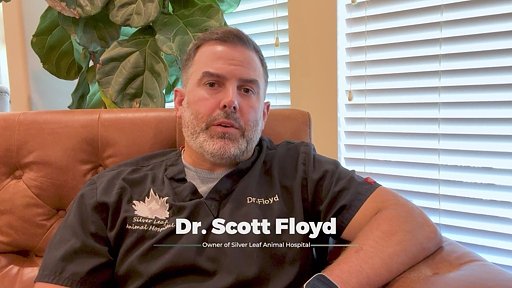
Decoding the Vet Bill: The Hidden Economics of Pet Healthcare in Oklahoma
OKLAHOMA CITY, OK – June 18, 2026 – For many pet owners, the unconditional love of a companion animal is tempered by one persistent anxiety: the veterinary bill. A common scenario plays out in clinics across Oklahoma—an owner receives two starkly different quotes for what seems to be the same procedure. The resulting confusion and suspicion can erode trust and delay critical care. But what if these price variations aren't arbitrary, but rather a reflection of a complex economic and medical ecosystem? A recent article from media platform HelloNation, featuring Dr. Scott Floyd of Silver Leaf Animal Hospital, pulls back the curtain on this very issue, providing a framework for understanding the true cost of keeping our pets healthy.
However, understanding the line items on a bill is only the first step. For professionals and discerning pet owners, true actionable intelligence requires a deeper look into the business models, technological investments, and even the marketing frameworks that shape the cost and delivery of veterinary care. The real story isn't just what you're paying for, but why those services are priced the way they are.
The Price of Precision: Deconstructing the Bill
The most immediate source of price variation lies in the scope of services bundled into a single visit. A low-cost “wellness exam” at one clinic might consist of a simple physical check-up. At another, a higher-priced exam may include a suite of preventive diagnostics like blood work, parasite testing, and essential vaccines. While the latter carries a greater upfront cost, it provides a comprehensive health baseline that can lead to early detection of disease, ultimately preventing more invasive and expensive interventions later.
Diagnostics are a significant driver of cost, and a prime example of a “hidden value” in modern veterinary medicine. Clinics that invest in advanced equipment—such as in-house blood analyzers, digital X-ray machines, and ultrasound technology—can provide faster, more accurate diagnoses. As my research into Oklahoma-based practices like Silver Leaf Animal Hospital confirms, this investment allows veterinarians to move from suspicion to certainty within minutes rather than days. The cost of this technology and the trained staff required to operate it is necessarily factored into the bill. The alternative—foregoing diagnostics to save money in the short term—is a high-risk gamble that can lead to catastrophic health outcomes and exponentially higher long-term costs.
Even seemingly minor costs, from medications to supplies like syringes and bandages, contribute to the final tally. Whether a clinic dispenses medication directly or sends prescriptions to an outside pharmacy, and whether those drugs are brand-name or generic, introduces another layer of price variability. Each element represents a piece of a complex supply chain dedicated to animal health.
The Business of Healing: The Hidden Economics of Care
Beyond the direct services rendered, a significant portion of a veterinary bill covers the immense overhead required to run a modern medical facility. The expertise of the staff is paramount. A veterinarian’s journey involves years of intensive education, significant student debt, and a career-long commitment to continuing education to keep pace with evolving medical standards. The specialized skills of a veterinarian like Dr. Floyd, who has experience in both emergency medicine and advanced surgery, represent a level of expertise that commands a commensurate salary. This extends to the entire team of veterinary technicians and support staff who are crucial for safe and effective treatment.
Operational costs are another major factor. The distinction in overhead between a clinic in downtown Oklahoma City and one in a smaller community like Moore is stark, with urban centers facing higher rent, utility, and staffing expenses. Furthermore, the type of practice dictates its cost structure. A general practice focusing on wellness and common illnesses has a different economic model than a 24-hour emergency clinic, which must bear the cost of round-the-clock staffing, or a specialty hospital offering advanced oncology or orthopedic surgery. These specialized facilities represent a massive capital investment in both equipment and personnel, and their pricing reflects that unique, high-stakes value proposition.
Navigating 'Edvertising': When Expertise is Also a Pitch
In our digitally saturated world, the source of information is as important as the information itself. The HelloNation article breaking down veterinary costs is a product of what the platform calls “edvertising”—a blend of educational content and advertising. This model, also known as native advertising or sponsored content, means that while the insights from Dr. Floyd are valuable, they are presented within a commercial framework designed to promote his practice.
This is not a condemnation, but a critical distinction for the savvy consumer. The Federal Trade Commission mandates clear disclosure for such content precisely because the line between impartial journalism and paid promotion can be blurry. The challenge—and the opportunity—for the audience is to absorb the useful, expert-driven information while remaining aware of the commercial intent. The advice may be sound, but it is not impartial. This dynamic is a defining feature of 21st-century industry, where content and commerce are increasingly intertwined.
From Reactive Spending to Proactive Investment
Understanding the economics of veterinary care empowers owners to shift from a reactive to a proactive financial stance. The consensus among veterinary professionals is clear: prevention is the most effective way to manage costs and ensure a long, healthy life for a pet. A preventive dental cleaning, for example, is a fraction of the cost of treating severe periodontal disease, which can involve extractions, infection management, and pain medication.
For managing both planned and unexpected expenses, Oklahoma pet owners have several tools at their disposal. The pet insurance market in the state is robust, with providers like Lemonade, Healthy Paws, and Spot offering a range of plans. Average monthly costs for a dog can range from $29 to $44, providing a safety net that can make a life-saving but expensive treatment financially viable. As one owner shared in an online forum, insurance was the only reason they could afford the thousands of dollars needed to treat their dog after a venomous snake bite.
Financing programs like CareCredit are also widely accepted in clinics across Moore and Oklahoma City. This healthcare credit card allows owners to pay for services over time, often with promotional no-interest periods, making immediate, necessary care accessible even without available cash. The most powerful tool, however, remains open communication. Discussing costs, understanding which services are essential versus optional, and creating a long-term health plan with a trusted veterinarian transforms the relationship from a simple transaction to a true partnership in the animal's well-being.
Ultimately, the numbers on a veterinary bill represent a deep and ongoing commitment to quality of life. They reflect the price of medical progress, the cost of expertise, and the investment required to maintain a facility dedicated to healing. By understanding these hidden costs, pet owners can move past the initial sticker shock and make informed, confident decisions that honor the invaluable role these animals play in our lives.