
- $75M contract: WMATA's deal with Indra Group for 450 state-of-the-art Customer Terminals
- $40M annual loss: Fare evasion costs due to outdated systems
- 70% reduction: Success rate of pilot faregate upgrades in curbing evasion
Experts would likely conclude that this investment represents a critical step toward modernizing D.C. Metro's infrastructure, enhancing commuter convenience while positioning Indra Group as a key player in U.S. transit technology.
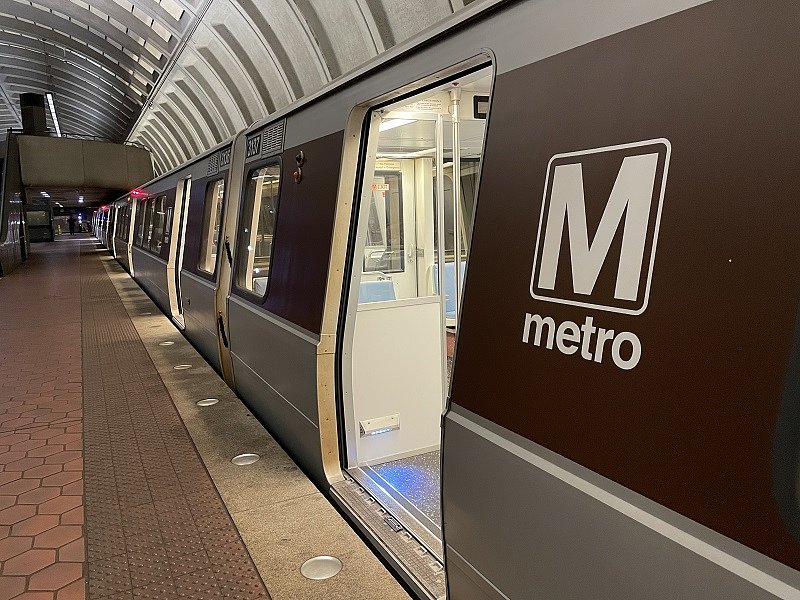
D.C. Metro's $75M Tech Leap: A New Era for Commuters & A US Bet for Indra
WASHINGTON, D.C. – June 22, 2026 – The Washington Metropolitan Area Transit Authority (WMATA) has announced a landmark contract with Spanish technology and defense giant Indra Group, a deal that signals more than just a routine equipment upgrade. In a project valued initially at $38.9 million and potentially rising to $75 million, Indra will replace the entire network's aging fare vending machines with 450 state-of-the-art Customer Terminals. For the more than 500,000 daily riders of the D.C. Metro, this promises a long-overdue revolution in convenience and accessibility. But looking deeper, this contract reveals a multi-layered strategy concerning urban resilience, the onshoring of critical manufacturing, and the digital future of public infrastructure.
A System at its Breaking Point
To understand the significance of this overhaul, one must first appreciate the system it replaces. For years, commuters and tourists alike have wrestled with WMATA's fare vending machines, many of which are relics of a 40-year-old design. These machines, with their notoriously unreliable card readers and dependence on parts that are no longer manufactured, have become a symbol of infrastructure debt. The maintenance burden has been immense, and the customer experience often frustrating.
This technological stagnation has had severe financial consequences. Fare evasion has spiraled into a crisis, costing the transit authority an estimated $40 million annually. In response, WMATA has pursued a series of reactive measures, most visibly spending between $35 and $40 million to retrofit faregates with taller, more imposing barriers to deter jumpers. While these efforts have reportedly curbed evasion by over 70% in pilot locations, they are a treatment for the symptom, not the cause. The core issue has been a fare system struggling to keep pace with modern life.
The contract with Indra is a crucial, proactive step in WMATA’s broader Capital Improvement Program, a multi-pronged effort to modernize its entire fare collection apparatus. It follows recent upgrades to bus fareboxes and the successful launch of the “Tap. Ride. Go.” program, which allows riders to use contactless bank cards and mobile wallets at the gate. This new investment in customer terminals is the capstone of that strategy. As Metro General Manager and CEO Randy Clarke stated, “These new Customer Terminals will provide a more cost-effective, intuitive experience while supporting the payment technologies customers increasingly expect. This investment modernizes a critical part of our system and creates a platform that can adapt as technology and customer needs continue to evolve.”
Indra's American Ascent: A Strategic Play
While the contract is a clear win for WMATA, it is arguably a more strategic victory for Indra Group. A global powerhouse in defense, aerospace, and advanced digital solutions, Indra is making a calculated and aggressive push into the American transportation sector. This deal provides the company with a marquee project in the nation’s capital, serving as a powerful demonstration of its capabilities.
The most telling component of this strategy is not in Washington, D.C., but in Olathe, Kansas. Indra has committed to producing the new terminals at its recently opened manufacturing facility there. This move is significant on two fronts. First, it insulates the project from the volatility of global supply chains, a lesson learned বারবার by industries worldwide in recent years. Second, it positions Indra as a contributor to American manufacturing, creating local jobs and integrating into the domestic industrial base. This is a savvy political and economic maneuver, aligning the company with the powerful tailwinds of “Buy America” provisions and the broader push to reshore critical technology production.
“We’re delighted to have become a technological partner of the Washington Metropolitan Area Transit Authority with this project, as it strengthens Indra Group’s leadership of public transportation technology,” said Raúl Ripio, Senior-Vice President of Mobility Business at Indra Group. His statement underscores the company’s ambition, framing the WMATA contract not as a one-off sale, but as a key pillar in its strategy to secure a dominant position in the modernization of U.S. infrastructure.
The Commuter Revolution: Beyond Just Tapping In
For the average rider, the strategic implications are secondary to the immediate, tangible improvements to their daily journey. The new terminals promise to transform a frequent point of friction into a seamless interaction. Designed with universal accessibility in mind, the machines will comply with Americans with Disabilities Act (ADA) standards, featuring high-contrast touch screens, tactile elements, and natural language audio assistance.
Furthermore, in a nod to the international character of the capital, the terminals will support up to 15 languages, a massive leap forward from the current system and a direct implementation of WMATA’s Language Assistance Plan. This focus on inclusivity ensures that the system serves not just the daily commuter, but also the millions of domestic and international visitors who navigate the city each year.
The most significant change will be in payment flexibility. The terminals are built to integrate the latest technologies, including account-based ticketing, direct payments with EMV-chipped bank cards and smartphones, and digital wallets. This fully realizes the promise of WMATA’s “Tap. Ride. Go.” initiative, moving beyond the proprietary SmarTrip card and allowing transit to function like any other modern retail transaction. It’s about meeting customers where they are, with the technology they already carry in their pockets.
The Blueprint for a Smarter City
Ultimately, the installation of these terminals is a foundational investment in the future of Washington, D.C. as a smart city. The technology embedded within this new hardware, particularly its support for Account-Based Ticketing (ABT), lays the groundwork for a more intelligent, responsive, and integrated urban mobility network.
Unlike traditional card-based systems where the value is stored on a piece of plastic, an ABT system keeps the user’s information and funds in a central, cloud-based account. The physical card or smartphone simply becomes a key to unlock that account. This shift enables a host of sophisticated features, such as automatic fare capping—where the system ensures a rider never pays more than the cost of a daily or weekly pass—and seamless transfers between different transit agencies without complex back-end settlements. The open, modular architecture of Indra’s system is designed for this future, ensuring WMATA can adapt and innovate for decades to come.
This data-rich environment allows for a far more nuanced understanding of how people move through the city, enabling planners to optimize routes, adjust service in real-time, and manage demand more effectively. It is the digital backbone upon which future Mobility as a Service (MaaS) platforms can be built, potentially integrating rail, bus, bike-share, and ride-hailing into a single, unified transportation ecosystem. For WMATA, this isn't just about replacing old fareboxes; it's about building a more resilient and competitive system, securing its role as the central artery of a rapidly evolving metropolitan region.