
- 1 in 5 people worldwide are neurodivergent
- Neurodivergent teams can be up to 30% more productive (Deloitte research)
- JPMorgan Chase's neurodivergent employees were 90-140% more productive than neurotypical peers
Experts agree that neurodiversity is a strategic advantage for businesses, driving innovation, productivity, and inclusion when properly integrated into leadership and workplace culture.
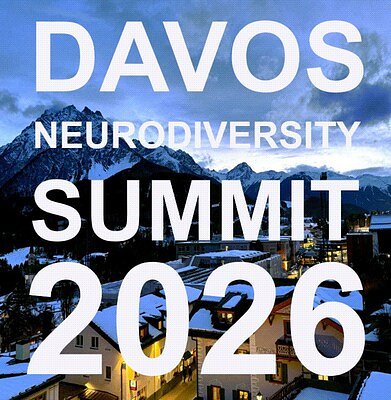
Davos Dialogue: Podcast Brings Neurodiversity to Global Business Stage
NEW YORK, NY – February 17, 2026 – In a significant move to embed neurodiversity into the world's most influential economic discussions, the nonprofit Understood.org has launched a special podcast season in collaboration with the Davos Neurodiversity Summit (DNS). The new series, a special edition of the acclaimed Minds at Work podcast, brings conversations from the periphery of the World Economic Forum Annual Meeting directly to a global audience, reframing neurodiversity not as a challenge to be managed, but as a critical component of future leadership and business strategy.
Hosted by DNS founder and cognitive scientist Dr. Maureen Dunne, the new season, titled Minds at Work: Conversations from Davos, aims to amplify the perspectives of neurodivergent leaders and allies. It explores the intersection of neurodiversity with pressing global topics like artificial intelligence, the future of education, and creating genuinely supportive workplaces. The collaboration represents a strategic push to ensure that as global leaders shape the future, the 1 in 5 people worldwide who are neurodivergent have a seat at the table.
Elevating the Conversation to a Global Stage
The timing and location of this initiative are no coincidence. The Davos Neurodiversity Summit, created by Dr. Dunne, convenes annually during the World Economic Forum, acting as a powerful coalition to inject neurodivergent perspectives into high-level dialogues. This podcast partnership with Understood.org, a leading U.S. nonprofit supporting 70 million people with learning and thinking differences like ADHD and dyslexia, scales that influence exponentially.
"The World Economic Forum is the forum to collaborate and influence the global agenda for the year ahead. Neurodiversity is part of that conversation, thanks in large part to Dr. Dunne and the Davos Neurodiversity Summit," said Nathan Friedman, co-president and chief marketing officer of Understood.org and the regular host of Minds at Work. Friedman expressed his pride in passing the microphone to Dr. Dunne for this special season, highlighting a shared mission "to advance opportunity and inclusion for all minds."
By leveraging the podcast medium, these crucial conversations are no longer confined to the exclusive halls of Davos. They become accessible on-demand to business leaders, policymakers, educators, and anyone interested in the future of work. The series features a slate of influential guests, including Martin McKay, founder of Everway; Cornell University Dean of Faculty Eve De Rosa; Natalia Lyckowski, global neurodiversity advancement leader at IBM; and Tristan Lavender, a founder of a global neurodiversity employee resource group. This lineup underscores the growing presence of neurodivergent talent in leadership roles across major industries and academic institutions.
From Accommodation to Strategic Advantage
For years, corporate approaches to neurodiversity often centered on compliance and accommodation. However, the discussions amplified by the Minds at Work podcast reflect a paradigm shift: viewing neurodiversity as a competitive advantage. A growing body of research supports this view, demonstrating measurable gains in productivity, innovation, and employee retention for companies that build inclusive environments.
Research from Deloitte suggests that teams with neurodivergent professionals can be up to 30% more productive. JPMorgan Chase's Autism at Work program found that its neurodivergent employees were between 90% and 140% more productive than their neurotypical peers. These are not isolated successes. Companies like SAP and Microsoft, which have pioneered structured neurodiversity hiring programs, report retention rates exceeding 90%. The business case is further strengthened by stories of innovation, such as a neurodivergent employee at SAP developing a technical fix that saved the company an estimated $40 million.
Despite these benefits, neurodivergent individuals face staggering barriers to employment, with some estimates showing an unemployment rate as high as 85% for autistic adults. The podcast tackles this disconnect head-on, moving the conversation beyond why companies should be inclusive to how they can do it effectively. Best practices discussed by industry leaders include redesigning recruitment processes to eliminate bias, establishing robust mentorship programs, and fostering psychological safety through employee resource groups (ERGs) and comprehensive training for all staff.
Voices of Change: The Power of Lived Experience
A core principle of the neurodiversity advocacy movement is "Nothing About Us, Without Us." This special podcast season embodies that ethos by centering the lived experiences of neurodivergent leaders. The collaboration is driven by the belief that authentic inclusion requires more than just policy—it demands a cultural shift led by those with direct experience.
Dr. Dunne, who is herself neurodivergent, is a powerful example of this principle in action. A Rhodes Scholar with a PhD from Oxford, she has not only built a distinguished academic and professional career but has also been a key architect of policy change, notably spearheading the passage of Illinois' "Neurodiversity in Higher Ed" legislation. Her role as host ensures the conversations are grounded in both scientific expertise and personal insight.
"This collaboration reflects the same spirit that drives DNS — bringing together lived experience, thoughtful leadership, and human-centered design to show how neurodiversity isn't just something to accommodate, but a powerful force for connection, innovation and systems change," said Dr. Dunne. She emphasized the goal of amplifying leaders who are actively "reshaping work and society by making room for all kinds of minds to thrive."
The podcast serves as a platform for these leaders to share their journeys and strategies, providing listeners with tangible examples of how to champion neuroinclusion within their own spheres of influence. It shifts the narrative from one of deficit to one of strength, celebrating the unique cognitive abilities—such as pattern recognition, deep focus, and creative problem-solving—that neurodivergent individuals bring to the table.
This focus on empowerment and authentic representation is crucial for dismantling the stigma that often prevents employees from disclosing their neurodivergence. By normalizing these conversations at the highest levels of business and culture, the podcast aims to create a ripple effect, encouraging more open and supportive environments where all employees feel valued for who they are.
The first two episodes of Minds at Work: Conversations from Davos are available now on all major podcast platforms, with new episodes being released weekly. The series offers a compelling look into a future where the full spectrum of human neurological diversity is not just accepted but is recognized as essential for solving the world's most pressing problems.