
- $XX Billion: Estimated value of the U.S. drone manufacturing market impacted by this partnership (specific figure not provided in the article).
- 2024: Year the Pentagon released its National Defense Industrial Strategy (NDIS), which this partnership directly supports.
- 1941: Year the Red River Army Depot (RRAD) was established, highlighting its long-standing role in U.S. military manufacturing.
Experts would likely conclude that this partnership is a strategic move to strengthen U.S. military supply chains by leveraging advanced drone technology from a trusted NATO ally while ensuring domestic production and security compliance.
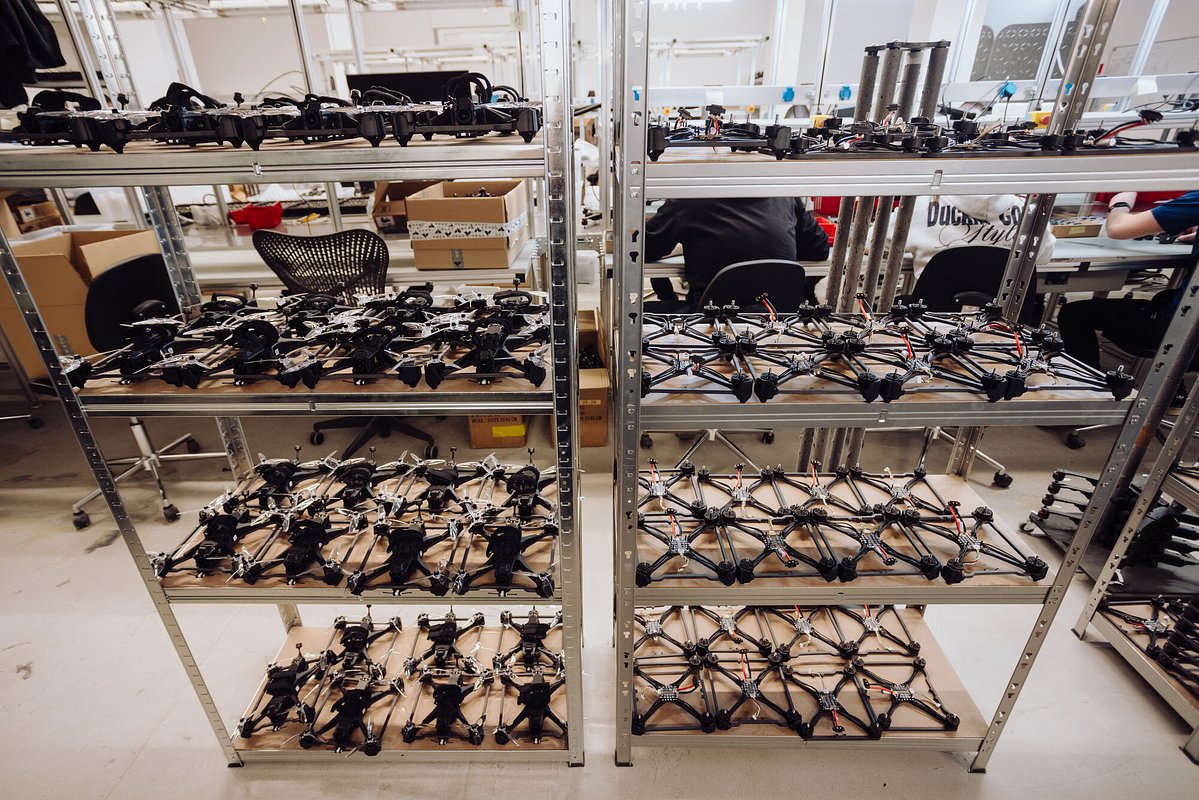
Croatian Drones, 'Made in America': Orqa and US Army Depot Forge Alliance
OSIJEK, Croatia – March 16, 2026 – In a landmark move designed to bolster the U.S. military's domestic manufacturing capabilities, Croatian drone technology leader Orqa has signed a teaming agreement with the Red River Army Depot (RRAD) in Texarkana, Texas. The partnership will see Orqa's advanced small Unmanned Aircraft Systems (sUAS) produced on American soil, directly supporting a major push by the Department of Defense to secure its technology supply chains and modernize its forces.
The agreement, announced today, represents a significant step in the implementation of recent directives outlined in the National Defense Authorization Act (NDAA). The legislation has increasingly emphasized the need to expand the domestic industrial base for critical technologies, particularly unmanned systems, to reduce reliance on foreign manufacturing and mitigate potential supply chain vulnerabilities.
This collaboration leverages the unique strengths of both partners: Orqa's cutting-edge FPV and drone technology, which has gained a global reputation for performance, and RRAD's extensive, decades-long history as a cornerstone of the U.S. Army's industrial base. The result will be 'Made in America' Orqa drones available to U.S. military customers and potentially to allied nations through security cooperation agreements.
A Strategic Response to National Security Demands
The Orqa-RRAD partnership is a direct response to the Pentagon's first-ever National Defense Industrial Strategy (NDIS), released in 2024. The strategy calls for building a more resilient, competitive, and innovative defense ecosystem, with a core focus on strengthening domestic supply chains for critical systems. By establishing a production line within an existing Army depot, the initiative addresses these goals head-on.
For years, defense analysts have warned of the risks associated with sourcing critical components and systems from overseas, especially from non-allied nations. The new agreement seeks to onshore the production of advanced sUAS, ensuring the U.S. Army has a secure and reliable source for a technology that is becoming indispensable on the modern battlefield. The drones produced in Texas will be compliant with the stringent security and sourcing requirements mandated by the NDAA, making them eligible for procurement across various government agencies.
This move also aligns with the DoD's "Blue UAS" program, an initiative managed by the Defense Innovation Unit to provide a vetted roster of secure, American-made drones. By manufacturing within a U.S. Army facility, Orqa is positioning its platforms to meet these exacting standards, a critical step for any company seeking to supply the U.S. military.
Revitalizing the Industrial Base for Robotic Warfare
For Red River Army Depot, a sprawling facility established in 1941, this partnership marks a significant evolution. Traditionally known for its world-class capability in remanufacturing and repairing ground combat vehicles like the Bradley Fighting Vehicle and MRAPs, RRAD is now pivoting to become a hub for the production of next-generation robotic systems. This transition reflects a broader Army-wide effort to modernize its organic industrial base - the network of government-owned depots, arsenals, and ammunition plants - to meet the demands of 21st-century warfare.
The collaboration will inject new life and new skills into the depot's workforce. While RRAD possesses a deeply skilled labor force in heavy manufacturing and complex systems integration, the production of sUAS will require new expertise in electronics, software integration, and precision assembly. This upskilling is seen as a vital investment in the future of the defense workforce.
Orqa, for its part, brings a reputation for innovation and agility. As Europe's leading drone technology company, it operates a fully vertically integrated business model in Croatia, controlling everything from initial design to final production. This control over its own supply chain is a key strategic advantage, offering a level of security and performance optimization that is highly attractive to defense clients. The partnership allows Orqa to replicate this model within the U.S. defense ecosystem, dramatically expanding its production capacity and market access.
A New Model for 'Ally-Shoring' in Defense
The agreement is more than just a business deal; it represents a promising new model for international defense collaboration. In an era of complex geopolitical challenges, the U.S. is increasingly looking to trusted allies for technological innovation. This practice, often called "ally-shoring" or "friend-shoring," seeks to build resilient supply chains by partnering with friendly nations.
The Orqa-RRAD team-up is a prime example of this strategy in action. It allows the U.S. military to leverage best-in-class technology from a NATO ally while ensuring the final product is built securely on American soil by American workers. This strengthens transatlantic ties and promotes interoperability between allied forces who may one day operate the same systems.
The success of this initiative could inspire similar partnerships, creating a blueprint for other international technology firms to contribute to the U.S. defense industrial base. It demonstrates a pathway for foreign innovation to enter the U.S. market in a way that aligns with America's stringent national security and domestic production goals.
Srdjan Kovacevic, co-founder and CEO of Orqa, expressed his enthusiasm for the collaboration. "We're thankful for the opportunity to contribute to the increase of U.S. drone manufacturing capability," he stated in the announcement. "The resulting boost in capacity will add to the production we can already achieve at our headquarters, a figure that will grow significantly as our Global Manufacturing Partnership Program comes online throughout the year. This agreement is a clear vote of confidence in Orqa, our capabilities, and our products."