
- 58.3% Objective Response Rate (ORR): Patients with high PD-L1 levels treated with pembrolizumab and yogurt showed a 58.3% ORR, compared to 39.5% in historical controls.
- 100% Response Rate in Neoadjuvant Group: Nine patients receiving neoadjuvant chemotherapy with nivolumab and yogurt achieved a 100% response rate, vs. 68% in historical controls.
- 85% of Lung Cancers: Non-small cell lung cancer (NSCLC) accounts for up to 85% of lung cancer cases.
Experts view the preliminary findings as promising but caution that further randomized controlled trials are needed to validate the efficacy of probiotic yogurt in enhancing lung cancer immunotherapy outcomes.
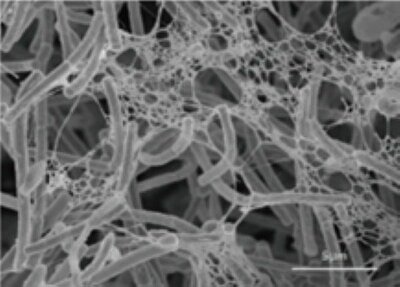
Could a Probiotic Yogurt Boost Lung Cancer Immunotherapy?
SAN DIEGO, CA – April 17, 2026 – A daily dose of yogurt could one day become a surprising but powerful ally in the fight against the world's most common lung cancer. Preliminary findings from a Japanese study, presented today at the prestigious American Association for Cancer Research (AACR) Annual Meeting, suggest that a specific probiotic yogurt may significantly enhance the effectiveness of cutting-edge immunotherapy drugs.
The joint study by Saitama Medical University and food-and-pharma giant Meiji Holdings Co., Ltd. focused on patients with non-small cell lung cancer (NSCLC) undergoing treatment with immune checkpoint inhibitors (ICIs). These powerful drugs have revolutionized cancer care but only work for a fraction of patients. The research indicates that patients who consumed a daily yogurt containing a unique bacterial metabolite, R-1 EPS, alongside their standard therapy showed a distinct tendency toward better outcomes, including higher tumor shrinkage and disease control rates.
A Gut Feeling for Cancer Treatment
At the heart of the findings is the burgeoning scientific field of the gut microbiome and its profound influence on the entire body, including its ability to fight cancer. ICIs work by taking the brakes off the immune system, allowing it to recognize and attack cancer cells. However, their success is often limited, with response rates for NSCLC hovering around 20-30%. Scientists have long suspected that the composition of bacteria in our gut plays a key role in priming the immune system for this fight.
The prospective observational study involved 91 NSCLC patients who consumed yogurt containing R–1 EPS, an exopolysaccharide produced by Meiji's proprietary Lactobacillus delbrueckii subsp. bulgaricus OLL1073R–1 strain. The results, though interim, are striking. Across several different ICI treatment regimens, the study cohort consistently outperformed historical data from both previous clinical practice and the original Phase III trials that led to the drugs' approval.
For instance, among 15 patients with high levels of a key biomarker (PD-L1) treated with the drug pembrolizumab, the objective response rate (ORR)—the percentage of patients with significant tumor shrinkage—was 58.3%. This compares favorably to a 39.5% rate in a historical control group and the 44.8% reported in the drug's pivotal KEYNOTE-024 trial. Even more dramatically, a small group of nine patients receiving neoadjuvant chemotherapy with nivolumab before surgery achieved a 100% response rate, compared to just 68% in the historical control.
Researchers believe the R-1 EPS works by modulating the immune system. The study found that patients consuming the yogurt maintained higher levels of a specific immune cell type called Th7R, which Saitama Medical University had previously identified as being correlated with a positive response to ICI therapy. The yogurt also appeared to boost the numbers of cancer-killing GZMB⁺ CD8⁺ T cells, suggesting a more robust anti-tumor attack.
"These findings support our concept that a gut-oriented approach using R–1 EPS improves the distal tumor immune microenvironment and enhances the efficacy of ICIs," said Dr. Kawanabe-Matsuda, Principal Scientist at Meiji Holdings, in a statement accompanying the release.
A New Paradigm in Patient Care?
The implications of this research extend far beyond the laboratory. If validated in final, larger-scale trials, the simple act of eating yogurt could become a standard recommendation for NSCLC patients, representing a paradigm shift toward more integrated cancer care. For patients navigating the physical and emotional toll of cancer treatment, the possibility of a non-invasive, accessible, and low-cost dietary intervention that could improve their odds is a powerful prospect.
NSCLC is the most common form of lung cancer, accounting for up to 85% of cases and representing a major global health burden. The potential to augment the efficacy of multi-billion dollar immunotherapy drugs with an inexpensive food product could have enormous clinical and economic consequences. It speaks to a growing movement in oncology that recognizes the importance of holistic care, where nutrition and lifestyle are not just afterthoughts but integral components of the treatment plan.
While the scientific community is understandably cautious, citing the interim nature of the data and the observational design of the study, the results have generated significant excitement. The data suggests a path toward making effective but often inconsistent therapies work for more patients, potentially improving survival and quality of life without adding the toxicity of another pharmaceutical drug.
From Dairy Aisle to Oncology Ward
For Meiji Holdings, this research is more than a scientific curiosity; it's the cornerstone of a deliberate corporate strategy. The Japanese conglomerate, with deep roots in both food production and pharmaceuticals, is positioning itself at the intersection of these two industries. Under its slogan "Now ideas for wellness," the company is leveraging its expertise in fermentation and bacteriology to create high-value products for the healthcare market.
This study is a clear signal of the company's ambition to move its proprietary R-1 EPS from a wellness ingredient in a consumer food product to a validated component of medical nutrition. The company is already developing R-1 EPS in a powder form, which would allow for standardized dosing and easier integration into clinical and hospital settings.
Meiji is actively seeking business partnerships in the U.S. and other global markets to help navigate the complex worlds of product formulation, clinical research, and regulatory approval. The goal is to create a new category of immuno-nutritional products that can be prescribed by doctors to support cancer therapy.
The Path to the Prescription Pad
The journey from a promising conference presentation to a doctor's prescription is long and arduous. While certain bacterial EPSs have been granted Generally Recognized as Safe (GRAS) status by the U.S. Food and Drug Administration (FDA), making therapeutic claims is a different matter entirely. To be marketed as a "medical food" intended for the dietary management of a disease, Meiji will need to provide substantial scientific evidence, likely from further randomized controlled trials, to prove that R-1 EPS is not just safe but effective for its intended purpose.
Regulatory bodies like the FDA and the European Food Safety Authority (EFSA) have set a high bar for health claims, particularly those related to disease treatment. Meiji's success will depend on whether the final, peer-reviewed study data can convert the observed "tendency" into statistically significant proof of efficacy.
For now, the results remain a tantalizing glimpse into a future where the line between food and medicine continues to blur. As the study continues to enroll patients and collect data, the oncology world will be watching closely. The final analysis will determine if this simple probiotic can truly fulfill its promise as a powerful new tool in the arsenal against lung cancer.