
- 67 FDI projects in 2025, with 19 new companies and 48 reinvestments
- 196,000+ employees in the multinational sector, with a net growth of 3,250 jobs in 2025
- 48% of new investments came from outside the U.S., with 21% of projects established outside the Greater Metropolitan Area
Experts agree that Costa Rica's strategic shift toward high-tech FDI is a success, but sustaining this momentum requires addressing workforce skill gaps, infrastructure challenges, and structural economic weaknesses to remain competitive in a rapidly evolving global market.
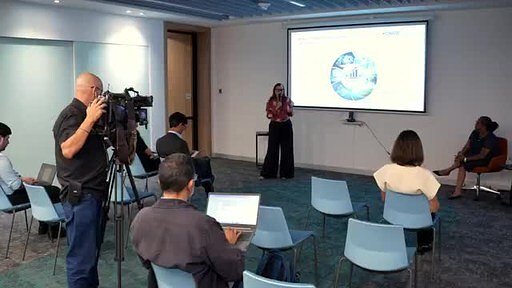
Costa Rica Secures High-Tech FDI, Faces Growing Economic Headwinds
SAN JOSÉ, Costa Rica – January 19, 2026 – Costa Rica cemented its status as a high-value investment hub in 2025, attracting 67 foreign direct investment (FDI) projects characterized by increasing technological sophistication. The results, announced by the private investment promotion agency CINDE, highlight a nation successfully pivoting toward knowledge-intensive industries, even as it confronts intensifying global competition and emerging signs of an economic slowdown.
The year saw 19 new companies establish operations while 48 existing multinational firms chose to reinvest and expand, a strong vote of confidence in the country's business climate. These projects are moving Costa Rica far beyond its traditional economic pillars, establishing advanced operations in digital services, life sciences, and high-precision manufacturing that demand a highly skilled workforce. However, this success story is unfolding against a backdrop of cautionary notes about sustaining this momentum.
The Shift to Sophistication
The nature of the investments secured in 2025 underscores a deliberate national strategy to climb the global value chain. Of the 19 new projects, 13 were in the services sector, five in life sciences, and one in manufacturing. These are not standard call centers or basic assembly lines; instead, companies are setting up complex digital centers of excellence focusing on cybersecurity, applied artificial intelligence, data analytics, and user experience.
In the life sciences and advanced manufacturing sectors, a similar trend is visible. New operations, including those by original equipment manufacturers (OEMs), are integrating automation, connected medical components, and digital health capabilities from day one. This influx of high-tech operations, exemplified by firms like Zimmer Biomet, ACQUIA, and Duracell, is reshaping the country's industrial landscape.
"The projects attracted in 2025 confirm Costa Rica's evolution toward operations with greater technical and strategic complexity," said Marianela Urgellés, Managing Director of CINDE. "Today, we compete in a global environment where foreign direct investment is being reshaped by technology, sustainability, and the speed of adaptation and execution, and our country continues to be a trusted partner for establishing centers of excellence, advanced automation, and digital solutions."
This confidence is bolstered by the 48 reinvestment projects, with expansions concentrated in IT, advanced analytics, complex finance, and new medical production lines. These expansions signal that companies already on the ground are finding the conditions necessary to deepen their operational footprint. According to CINDE's Investment Advisory Manager, Ana María Romero, the trend is clear. "We see two clear vectors," she noted, pointing to the move toward higher-value corporate services and the establishment of "more robust production footprints" in manufacturing and life sciences.
The Talent and Diversification Imperative
Fueling this high-tech engine is Costa Rica's human capital. The multinational sector now employs over 196,000 people, with a net growth of more than 3,250 jobs in 2025. Yet, the increasing sophistication of these roles presents a formidable challenge: ensuring the workforce's skills keep pace with industry demands.
Recognizing this, CINDE has spearheaded initiatives that have generated over 35,000 training opportunities in high-demand fields over the past four years. These programs, run in coordination with academic institutions and the public sector, are designed to bridge the gap between education and employability.
"We are also focused on accelerating training in technical and digital skills, strengthening English proficiency, and promoting specialized profiles that companies are actively seeking," confirmed Vanessa Gibson, CINDE's Director of Investment Climate. "This is the most direct way to turn new investment into well-qualified jobs for people and greater competitiveness for the country."
Despite these efforts, reports from the OECD and Inter-American Development Bank highlight a persistent skills mismatch as a key hurdle. While universities like the Costa Rica Institute of Technology (TEC) produce top-tier engineering talent, there remains a gap between the specific vacancies in fields like data science and AI and the available pool of job seekers.
Alongside talent development, diversification has become a core pillar of the country's FDI strategy. In 2025, nearly half (48%) of new investments came from outside the United States, a significant shift from historical reliance on its northern partner. Furthermore, 21% of new projects were established outside the traditional economic hub of the Greater Metropolitan Area (GMA), a positive sign for regional development. Data from the foreign trade promoter, PROCOMER, supports this trend, showing a notable increase in investment flowing into regions outside the central valley, promising to spread economic benefits more widely.
Navigating the Headwinds
While the 2025 FDI figures are strong, the CINDE report itself contains a warning of "emerging signs of a slowdown." This caution is echoed by economists and broader economic data. While Costa Rica's GDP is projected to grow by a healthy 3.8% in 2025, this is occurring in a challenging global context. A worldwide economic moderation could temper growth in Costa Rica's crucial free trade zone regime, which has been a primary engine of its recent economic dynamism.
Domestically, challenges persist. Key national sectors like construction and agriculture have faced stagnation, hampered by rising material costs and climate-related disruptions. Furthermore, analysts point to structural issues that could threaten Costa Rica's long-term competitiveness, including high energy costs, deteriorating infrastructure, and a high rate of labor informality outside the multinational bubble.
The country's success has put it in direct competition with other global innovation hubs, making its competitive advantages—political stability, a robust regulatory framework, and a commitment to sustainability—more critical than ever. Maintaining its appeal will require proactive policy action to address these structural weaknesses and double down on the talent initiatives that have brought it this far. Costa Rica's journey shows that attracting investment is only half the battle; sustaining it in a rapidly changing world is the greater challenge.