
- 26% of dialysis-related claims are denied on first submission to CMS.
- 40% of denied claims are never successfully resubmitted, leading to a 3-4% loss of net patient revenue for many organizations.
- 60% of rejected claims in nephrology are due to coding errors, incomplete documentation, or missing proof of medical necessity.
Experts agree that Constellation Kidney Group's RCM Intelligence tool addresses critical financial inefficiencies in dialysis care by leveraging AI to reduce claim denials and improve revenue cycle management, ultimately supporting better patient outcomes through financial stability.
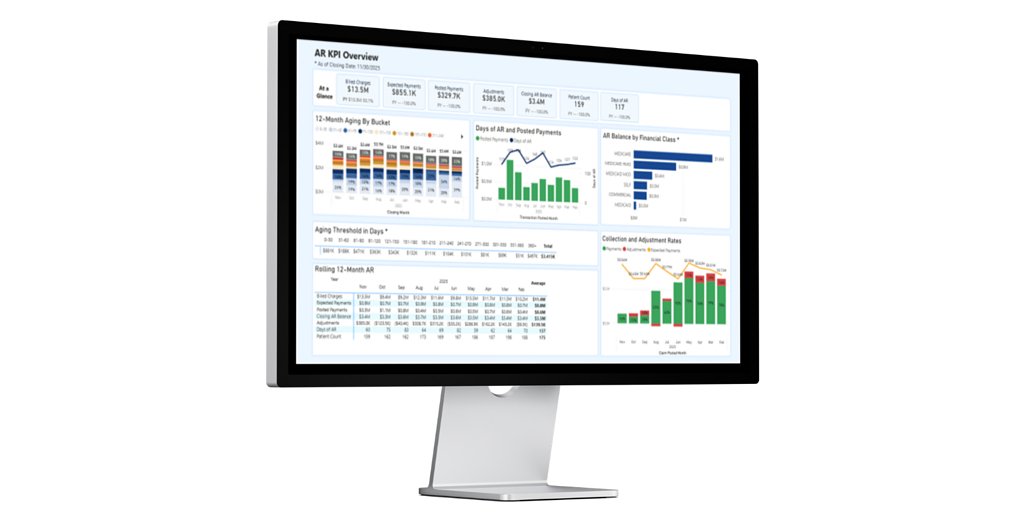
CKG Unveils AI Analytics to Fortify Dialysis Clinic Finances
RICHMOND, Va. – April 13, 2026 – Constellation Kidney Group (CKG), a global provider of technology for dialysis organizations, today announced the launch of RCM Intelligence, a new analytics tool designed to help kidney care providers navigate the treacherous financial landscape of modern healthcare. The new capability expands CKG's KidneyOne™ platform, offering real-time insights into the complex revenue cycle management (RCM) process unique to dialysis.
The tool aims to transform raw billing data into actionable intelligence, empowering dialysis organizations to identify revenue risks, reduce costly claim denials, and ultimately improve cash flow—a critical function for providers facing significant financial pressures.
Navigating a Financial Minefield
Dialysis providers operate within one of the most challenging reimbursement environments in the U.S. healthcare system. The financial stability of these essential clinics is constantly tested by a maze of complex regulations, high-volume transactions, and persistent billing errors that can quickly compound into significant losses. A primary driver of this complexity is the End-Stage Renal Disease (ESRD) Prospective Payment System (PPS), a bundled payment model mandated by the Centers for Medicare & Medicaid Services (CMS).
Under the ESRD PPS, a single per-treatment payment must cover nearly all associated services, including drugs, lab work, and supplies. While intended to streamline payments, this model creates substantial risk; if a separately billable service is incorrectly bundled, the facility forfeits entitled revenue. The high frequency of patient visits—often three times a week—means a single uncorrected error can replicate across dozens of claims before it is detected, magnifying financial damage.
Industry data reveals the scale of the problem. Some studies show that nearly 26% of all dialysis-related claims submitted to CMS are denied on first submission. More concerning is that an estimated 40% of those denied claims are never successfully resubmitted, translating to a direct loss of 3-4% of net patient revenue for many organizations. The primary culprits are often simple administrative mistakes, with over 60% of rejected claims in nephrology attributed to coding errors, incomplete documentation, or missing proof of medical necessity. This administrative burden is immense, with RCM teams often dedicating over 50 hours per week just to managing denials.
Data-Driven Solutions for a Complex Problem
Constellation Kidney Group's RCM Intelligence is engineered to bring clarity to this chaos. By leveraging data from the company’s established FOCUS dialysis billing system, the platform provides leadership teams with real-time dashboards and analytics focused on critical revenue cycle metrics. Users can monitor accounts receivable performance, track denial trends to spot patterns, analyze adjustment behavior, and measure payment efficiency from different insurance payers.
This immediate visibility allows providers to shift from a reactive to a proactive stance. Instead of discovering a recurring denial reason weeks or months later in a report, managers can identify payer-specific issues or internal operational inefficiencies as they happen, allowing for swift correction.
“Dialysis organizations operate in one of the most complex reimbursement environments in US healthcare,” said Chris Lutz, SVP of Global Revenue at Constellation Kidney Group, in the announcement. “RCM Intelligence turns billing data into operational insights and allows leadership teams to understand how their revenue cycle is performing and where attention is needed.”
By automating the analysis of billing data, the tool promises to reduce the manual workload on administrative staff, freeing them to focus on resolving complex cases and improving front-end processes that prevent denials from occurring in the first place. This focus on operational efficiency is crucial as providers face the dual pressures of rising operational costs and stagnant reimbursement rates.
Beyond Billing: A Vision for Unified Kidney Care
The launch of RCM Intelligence represents more than just a new feature; it is a significant step in CKG’s broader strategy to build a "unified intelligence layer" for the entire kidney care ecosystem. This new tool strengthens CKG Intelligence, the central data and AI engine that powers analytics across the integrated KidneyOne™ platform. This platform aims to break down the traditional silos between clinical, financial, and operational data.
The same CKG Intelligence engine also drives Renal AI, a predictive analytics solution developed with Delorean AI. Renal AI analyzes clinical data to identify dialysis patients who are at an elevated risk of hospitalization or other adverse events, enabling care teams to intervene proactively. The integration of RCM Intelligence onto this same platform means that for the first time, financial and operational data can be analyzed alongside clinical risk data, providing a truly holistic view of a dialysis organization’s performance.
“Our vision is to create a unified intelligence layer for kidney care,” explained David Abbott, General Manager and Managing Director at Constellation Kidney Group. “Over time, as more organizations contribute data through the platform, CKG Intelligence will enable dialysis providers with increasingly powerful benchmarking and performance insights across the kidney care ecosystem, supporting data-driven decisions and ultimately better patient and financial outcomes.”
This vision taps into a powerful trend in healthcare: using big data and AI to drive value. By aggregating anonymized data from its network of over 1,500 dialysis centers, CKG plans to offer powerful benchmarking tools, allowing individual clinics to compare their performance against regional and national standards to identify opportunities for improvement.
The Link Between Financial Health and Patient Outcomes
While RCM Intelligence is a financial tool, its implications extend directly to the quality of patient care. The financial health of a dialysis clinic is inextricably linked to its ability to invest in the resources that matter most to patients: skilled clinical staff, modern treatment technology, and a supportive care environment. When revenue is lost to preventable denials and administrative inefficiency, it constrains a provider's ability to maintain and enhance these critical services.
By stabilizing and optimizing revenue, tools like RCM Intelligence can help ensure that providers have the financial foundation necessary to deliver high-quality, sustainable care. This is particularly relevant as the industry continues to shift toward more complex care models, such as home dialysis, which is encouraged by federal initiatives like the "Advancing American Kidney Health" program. Supporting patients at home requires significant investment in training, logistics, and remote monitoring technology—all of which depend on a healthy revenue cycle.
Ultimately, optimizing the back office directly supports excellence at the point of care. By providing the data-driven insights needed to secure their financial footing, CKG is betting that dialysis organizations will be better equipped to focus on their primary mission: improving the lives and outcomes of patients with end-stage renal disease. RCM Intelligence is now available to organizations using the FOCUS billing platform, with further expansions of the KidneyOne ecosystem planned for the future.