
- Annual Training Requirement: Cirrus introduces an annual flight review course, replacing the FAA's biennial mandate.
- Cost Estimate: Pilots may spend $1,000–$2,000+ per year on the program, including instructor and aircraft fees.
- CSIP Certification: Instructors must have 500+ total flight hours and 250+ instruction hours to qualify.
Experts would likely conclude that Cirrus's move is a strategic blend of enhanced safety training and ecosystem lock-in, setting a new industry benchmark while raising financial barriers for pilots.
Cirrus Redefines Pilot Training, Tightening Its Grip on the Skies
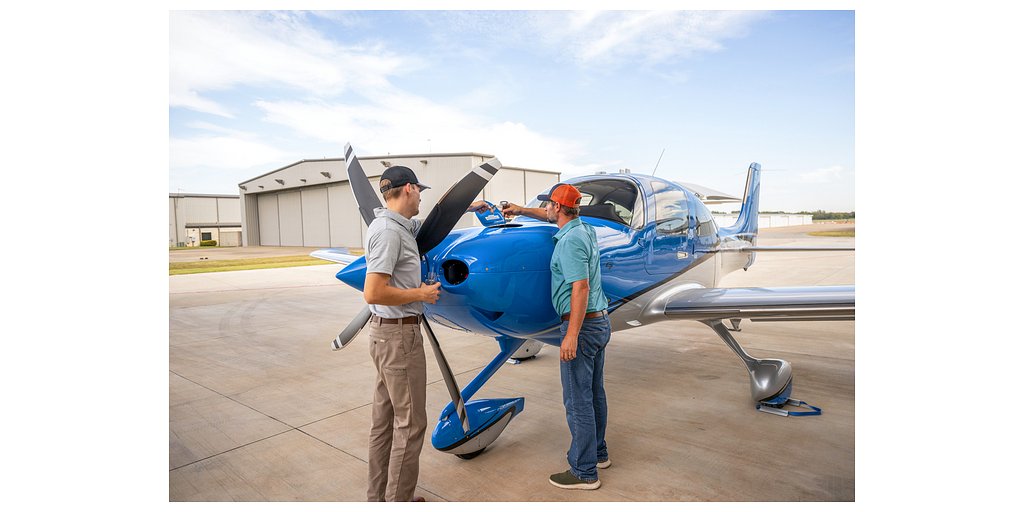
DULUTH, MN & KNOXVILLE, TN – June 04, 2026 – In a move that sends ripples through the personal aviation sector, Cirrus Aircraft has launched a new SR Series Annual Flight Review Course, ostensibly to promote pilot proficiency and safety. While the initiative is a laudable step beyond bare-minimum regulatory requirements, it also represents a shrewd strategic maneuver to deepen the company's already formidable brand ecosystem, effectively binding its pilots closer than ever.
The announcement details a comprehensive training module under the company's "Cirrus Approach" banner, designed for the thousands of pilots who fly its popular SR20, SR22, and SR22T aircraft. As CEO Zean Nielsen stated, "Cirrus is dedicated to promoting continuous flight training as a lifestyle... creating more opportunities for pilots to practice critical skills in a safe and structured environment." On the surface, it’s an unimpeachable commitment to safety. But beneath the surface lies a masterstroke of corporate strategy that competitors should watch closely.
Beyond the FAA Mandate
For decades, the standard for recurrent pilot training in the United States has been the Flight Review, mandated by the Federal Aviation Administration (FAA) under regulation 14 CFR Part 61.56. This check-in, required every 24 months, consists of at least one hour of ground instruction and one hour of flight instruction. It has long been criticized by some in the safety community as a low bar, a simple "pass/fail" event that does little to foster genuine, continuous improvement.
Cirrus is directly challenging that paradigm. Its new course is not biennial; it's annual. It’s not a one-hour flight; it's a structured, half-day session. The curriculum is a blended model, starting with a robust online learning segment before moving to intensive ground and flight instruction. Crucially, this hands-on training must be conducted with a Cirrus Standardized Instructor Pilot (CSIP), an elite cadre of instructors who have undergone a rigorous, multi-day evaluation by the manufacturer itself.
This focus on standardization and quality control is paramount. CSIPs are required to have significant flight experience—a minimum of 500 total hours and 250 hours of instruction given—before they can even apply for the firm's demanding certification course. By mandating the use of a CSIP, the Duluth-based manufacturer ensures that every pilot receives training that is not just compliant, but consistent with its specific safety philosophies, focusing on key areas like stabilized approaches and go-arounds, which are updated annually to reflect the latest safety data. This is a far cry from a pilot simply finding any local instructor to sign off on a biennial review.
The Real Investment in Proficiency
The press release paints a picture of accessible, continuous training. However, accessing this new level of proficiency comes at a significant financial investment that goes well beyond the initial sticker price. The online learning module is listed on the Cirrus Approach portal for $250, but this is merely the ticket to entry. The true costs lie in the required instructor and aircraft time.
According to industry sources and flight school rate sheets, a highly qualified CSIP commands a premium, with hourly rates often ranging from $130 to $160. A half-day session, as the course is designed, could easily see instructor fees approaching $500 or more. Then there is the aircraft itself. Renting a modern Cirrus SR20 G6 can cost around $350 per hour, while a top-of-the-line SR22T G7 can fetch over $700 per hour.
When factoring in the online course fee, a half-day of a CSIP's time, and a couple of hours in the air, a pilot could be looking at a total investment of anywhere from $1,000 to over $2,000 to complete their annual flight review. This is a substantial commitment, transforming recurrent training from a modest biennial expense into a significant annual line item for the dedicated Cirrus pilot. While safety is priceless, the price tag on this program will undoubtedly be a key factor for many pilots considering the program.
A Masterclass in Ecosystem Strategy
This is where the analysis moves from the cockpit to the boardroom. The Annual Flight Review Course is a brilliant piece of business strategy that strengthens the Cirrus ecosystem. For years, the company has been known for its innovation, most famously the Cirrus Airframe Parachute System® (CAPS®), a standard feature credited with saving 290 lives. This safety-first reputation is a core part of its brand identity and a powerful sales tool.
The new course weaponizes this reputation. By creating a proprietary, high-quality, and aspirational training standard, the company further differentiates itself from competitors like Cessna or Piper. It’s no longer just about selling a plane; it’s about selling entry into an exclusive club—the "Cirrus Life"—where the manufacturer is a continuous partner in the owner's journey. Requiring a CSIP ensures that pilots remain within the company's approved network, insulating them from outside instructors who may not be as familiar with the aircraft's specific systems and flight characteristics.
This creates a powerful feedback loop. Pilots trained the "Cirrus way" are likely to be safer and more proficient, leading to better safety statistics for the fleet, which in turn reinforces the brand's premium positioning and justifies its high prices. It also builds immense customer loyalty and creates a significant barrier to entry for competitors attempting to lure away its customer base. An owner deeply embedded in the Cirrus training and support ecosystem is far less likely to switch brands.
Setting a New Industry Standard?
The final question is whether this initiative will compel the rest of the general aviation industry to follow suit. By formalizing and branding an annual, manufacturer-led recurrent training program, Cirrus is effectively creating a new, de facto gold standard. While the FAA is unlikely to change its biennial requirement anytime soon, the market itself may begin to demand more.
It is conceivable that insurance underwriters, who already offer discounts for Cirrus pilots due to the CAPS system, may soon offer even better premiums for those who complete the annual review course. This could create financial pressure on pilots of all aircraft types to seek out more frequent and rigorous training. Other manufacturers may be forced to develop their own branded recurrent training programs simply to remain competitive in the eyes of safety-conscious buyers.
The aviation firm has effectively thrown down the gauntlet, challenging the long-held status quo of recurrent training. By intertwining superior safety protocols with a powerful business model, Cirrus is not just teaching its pilots to fly better; it is demonstrating how to build a durable, market-leading enterprise by taking ownership of the entire customer experience, from the factory floor to the annual flight review.