
- 11 trendsetting products showcased, highlighting health-conscious and tech-driven innovations in China's catering industry.
- 10,000th humanoid robot produced by AGIBOT, signaling mass deployment of automation in Chinese kitchens.
- Strong international interest from Europe and Southeast Asia, reflecting global recognition of China's culinary innovation.
Experts agree that China's catering industry is undergoing a transformative shift, blending health-conscious traditions with technological advancements and premiumization trends, driven by evolving consumer demands and fierce competition.
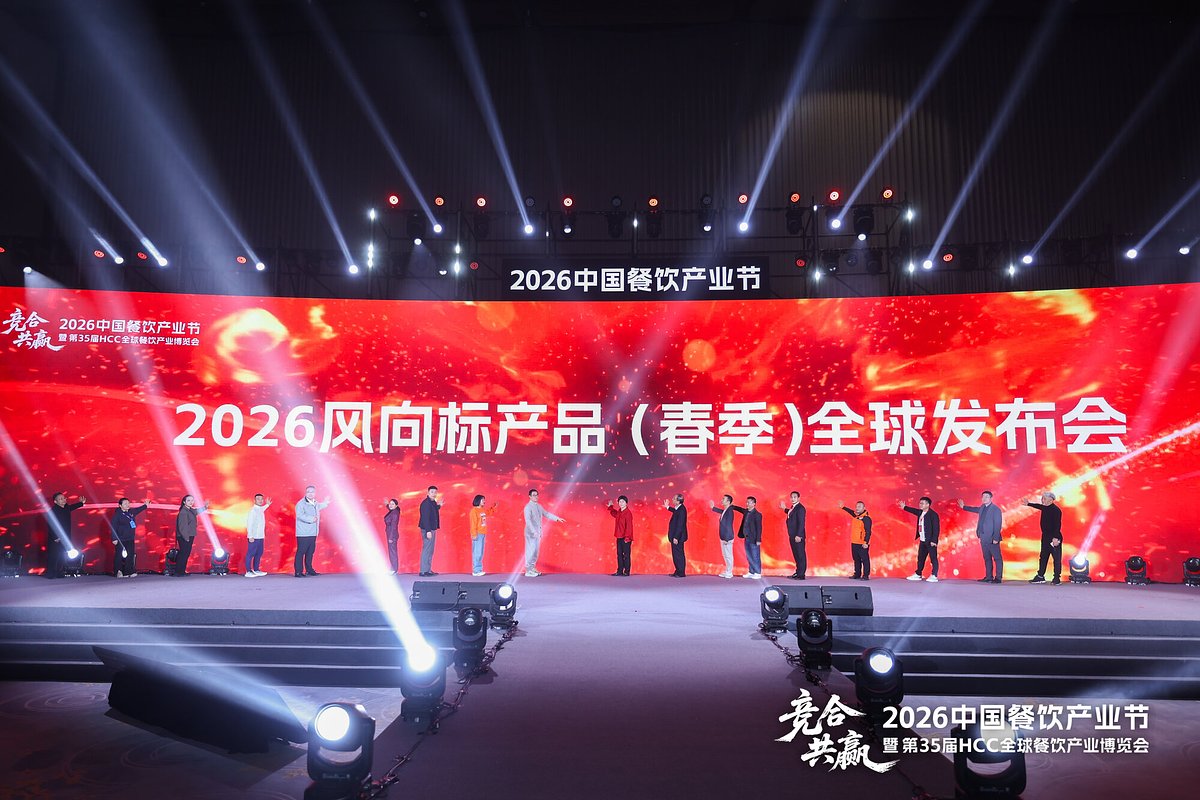
China's New Menu: Tech, Tradition, and Taste on Display
HANGZHOU, China – April 02, 2026 – The future of China's colossal catering industry was served up on a platter in Hangzhou last week, revealing a complex recipe of health-conscious tradition, technological disruption, and premium flavors. The third annual Trend Feast and 2026 Spring Trendsetting Products Global Launch Event, held on March 24, provided a crucial look into the trends set to dominate a market grappling with fierce competition and rapidly evolving consumer demands.
Hosted by industry influencer Hongcan Co., the event was far more than a simple product showcase. It acted as a curated snapshot of a sector in transformation, where a bottle of soy sauce can signal a national health movement and a robot's presence can redefine the future of service. Against the backdrop of the larger 2026 China Catering Industry Festival, the launch brought together industry titans, supply chain innovators, and media to witness the anointing of the products expected to shape menus and supply chains in the coming years.
Decoding the Modern Chinese Palate
At the heart of the event were 11 products, each telling a story about the modern Chinese consumer. Organized into categories of "Flavor Innovation," "Quality Innovation," and "Classic Reimagined," the winners of the event's trendsetting awards paint a clear picture of a market pulling in multiple directions at once.
Perhaps most indicative of the market's trajectory was the success of products in the "Classic Reimagined" category. The inclusion of Haday's Less Sodium Soy Sauce underscores a powerful, nationwide shift towards health and wellness. As one of China's most ubiquitous condiment manufacturers, Haday's move to prominently feature a healthier alternative to a household staple is a direct response to growing consumer and government focus on reducing sodium intake. This trend was echoed in other products that adapt beloved classics for modern lifestyles, such as Ranjin Food's convenient "10 Sticks Garlic Ribs" and Jiuzhou Flavor's "Yikouxiao Mini Imperial Velvet Chicken," which offer traditional tastes in updated, easy-to-consume formats.
Simultaneously, the Chinese palate is becoming more adventurous and sophisticated. The "Flavor Innovation" segment highlighted this growing demand for premium and novel experiences. The feature of Moutai Cave-Aged Wine, a high-end offering from the nation's most famous baijiu producer, speaks to the ongoing premiumization trend, where consumers with rising disposable incomes are willing to pay more for heritage, quality, and exclusivity. On the other end of the spectrum, products like Wanfu Food's Rattan Pepper Oil signal a deepening interest in regional culinary specialties, as both home cooks and professional chefs seek authentic ingredients to create specific and nuanced flavor profiles.
The Architects of Taste
Orchestrating this grand display was Hongcan Co., an entity that has positioned itself as more than just an event organizer. Operating as a central node in the vast network of the Chinese catering industry, Hongcan functions as a research institute, trend forecaster, and kingmaker. By hosting flagship events within the 35th HCC Global Catering Industry Expo, the company provides a critical platform for validation.
In a market where thousands of new products vie for attention, securing a spot at the Trendsetting Products launch provides a powerful endorsement. The multi-stage evaluation process for the event's awards, based on innovation, market potential, and quality, offers a form of third-party verification that can significantly influence buyers from major restaurant chains and distribution networks. This strategic role as a convenor and influencer allows Hongcan to not only reflect industry trends but to actively shape them, directing capital and attention towards the innovations it deems most promising.
This influence is crucial in an industry characterized by what analysts call "fierce competition." With rising operational costs and challenges of product homogeneity, the ability to stand out is paramount. Hongcan's platform offers a path to visibility, connecting innovative producers with the resources and partnerships needed to scale.
The Rise of the Smart Kitchen
Perhaps the most forward-looking aspect of the event was not on the tasting plates, but in the list of co-organizers. The involvement of AGIBOT Co. and Huading Cold Chain Technology highlights the non-negotiable role that technology and logistics now play in the food industry.
AGIBOT, a robotics company founded by former Huawei engineers, has been making waves in the tech world. Its recent milestone of producing its 10,000th humanoid robot signals a readiness for mass deployment in real-world environments. Its partnership with a major catering event confirms the industry's aggressive turn towards automation. From automated cooking woks to robotic servers and logistics handlers, Chinese catering firms are increasingly investing in smart technology to combat rising labor costs, improve efficiency, and ensure consistency. AGIBOT's presence was a clear statement that the kitchen of the future is intelligent, automated, and rapidly approaching.
Equally critical is the journey food takes to that kitchen. The participation of Huading Cold Chain Technology points to the immense focus on supply chain integrity. In a country as vast as China, ensuring food safety, maintaining freshness, and minimizing waste is a monumental logistical challenge. Huading's expertise in plastic pallets, warehousing, and temperature-controlled logistics represents the backbone of the modern food system. Their involvement underscores that innovation isn't just about the final product, but the entire ecosystem that delivers it safely and efficiently from the farm to the fork.
A Global Stage for Local Flavors
While deeply rooted in the Chinese market, the event also projected a distinctly international ambition. The press release noted strong interest from media across Europe and Southeast Asia, reflecting a growing global recognition of China as a source of culinary innovation, not merely a massive consumer market. The fusion of ancient flavors with cutting-edge technology and modern consumer insights is creating a dynamic food scene that is capturing worldwide attention.
By bringing together hundreds of industry leaders, the 2026 Spring Trendsetting Products Global Launch Event successfully created a high-stakes arena where the future of food is debated, decided, and put on display. The products and technologies celebrated here are not just fleeting novelties; they are the leading indicators of where China's massive, multi-trillion yuan catering industry is headed next, influencing everything from agricultural production to the dining experience of billions of consumers.