
- 21.47% reduction in skin melanin in clinical testing with 32 subjects using the 577 serum for four weeks
- 34.92% improvement in overall brightness achieved in the same study
- 21,000 dermatologists and aesthetic practitioners attended the IMCAS World Congress where the research was presented
Experts in dermatology and skincare science view CHANDO's epigenetic brightening technology as a significant breakthrough, offering a more targeted and sustainable approach to hyperpigmentation treatment, particularly for Asian skin types.
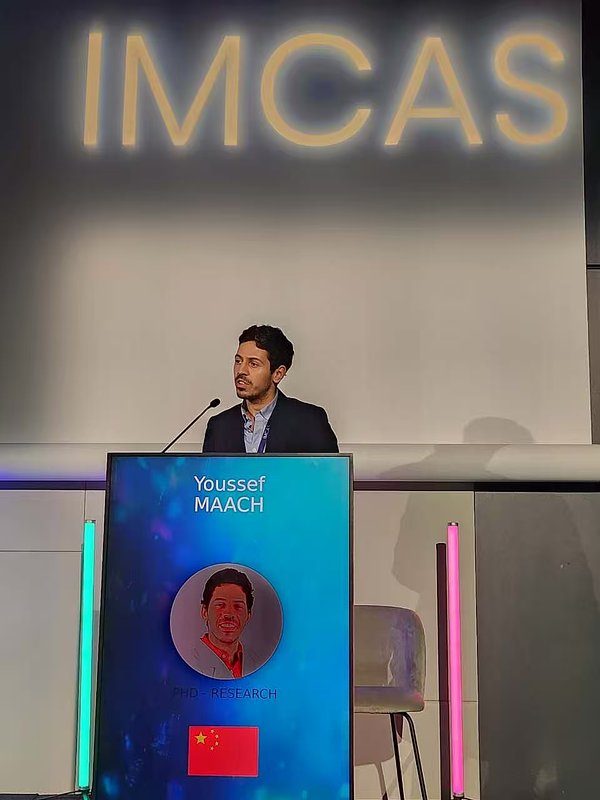
CHANDO Unveils Epigenetic Brightening Tech at Global Skincare Summit
SHANGHAI, China – February 06, 2026 – In a significant presentation at the IMCAS World Congress in Paris, Chinese skincare brand CHANDO has pulled back the curtain on a decade of intensive research, introducing a novel epigenetic approach to skin brightening that could reshape the landscape for treating hyperpigmentation, particularly in Asian populations. The research, presented to an international audience of over 21,000 dermatologists and aesthetic practitioners, details a new mechanism for its signature ingredient, 4-Butylresorcinol (577), that goes beyond traditional methods to tackle dark spots and sallowness at their genetic source.
The announcement, delivered in a keynote address by CHANDO skin research scientist Dr. Youssef, marks a notable moment for the global skincare industry. It not only highlights a potential breakthrough in precision skincare but also underscores the growing scientific influence of Chinese research and development on the world stage.
The Science of Precision Brightening
For years, the gold standard for skin brightening has involved ingredients that work by inhibiting tyrosinase, a key enzyme responsible for producing melanin, the pigment that gives skin its color. While effective to a degree, this approach can be generalized and sometimes leads to irritation or rebound darkening. CHANDO's research charts a different, more precise course.
Since 2014, the company's research division has focused on the unique biological characteristics of Asian skin, which is often prone to stubborn dark spots and a sallow tone. Using high-throughput sequencing and advanced bioinformatics, scientists delved into the field of epigenetics—the study of how external factors like UV radiation can alter gene expression without changing the DNA itself. They identified a specific microRNA (miRNA) that acts as a master regulator in the pigmentation process following sun exposure.
This specific miRNA was found to control the expression of three critical factors in melanin production: MITF, TYR, and TYRP1. In response to UV stress, this miRNA's expression becomes abnormal, sending the skin's melanin factories into overdrive. The pivotal discovery presented at IMCAS was that CHANDO's signature ingredient, 4-Butylresorcinol (577), can effectively inhibit this specific microRNA's aberrant activity. By regulating this genetic 'switch,' the 577 compound curbs the overproduction of melanin at its root cause, offering a more targeted and fundamental approach to pigment management. This mechanism differentiates it from simply blocking enzymes, representing a deeper intervention in the skin's biological signaling pathways.
A New Era for Asian Skin Concerns
The practical implications of this epigenetic mechanism are significant for consumers, especially those with sensitive skin. A common frustration with brightening treatments is the trade-off between efficacy and tolerability. Potent ingredients can cause redness and irritation, and for some, pigmentation can return even stronger once treatment stops—a phenomenon known as rebound hyperpigmentation. CHANDO's research directly addresses these long-standing challenges.
Clinical testing of the 577 ingredient demonstrated not only its effectiveness but also its high degree of tolerability. In a third-party study involving 32 subjects using a serum with the technology for four weeks, instrumental measurements recorded a 21.47% average reduction in skin melanin and a 34.92% improvement in overall brightness. Crucially, these results were achieved while minimizing common side effects, making the ingredient suitable for sensitive skin types that are often excluded from aggressive brightening regimens.
This gentler yet powerful approach provides a promising new solution for managing post-sun or post-procedure pigmentation. By targeting the underlying epigenetic trigger rather than just the symptoms, the mechanism offers a more stable and sustained path to achieving an even, radiant complexion without compromising the skin's delicate barrier.
China's Growing Influence in Global Dermatological R&D
CHANDO's selection for a keynote presentation at the prestigious IMCAS World Congress—an event featuring 225 scientific sessions—is more than just a corporate achievement; it is a clear indicator of the rising prominence of Chinese innovation in the global scientific community. For over a decade, the company has made substantial investments in foundational research focused specifically on Asian skin physiology, moving beyond imitation to pioneer new scientific territory.
This long-term strategy is now paying dividends on the international stage. The IMCAS presentation demonstrates a shift where research originating from China is not only being consumed by the global market but is actively contributing to and shaping the direction of international scientific dialogue. This is further substantiated by an earlier recognition from Shangpu Group, an independent research firm, which named CHANDO the "Global 577 Brightening Leader" in 2025 based on an analysis of the ingredient's market presence, technological innovation, and product influence throughout 2024.
This ascent is occurring within one of the world's most competitive markets. The Asian skincare landscape is crowded with global giants and innovative local brands all vying for the attention of highly discerning consumers who demand scientifically-backed, effective, and safe products. By developing a proprietary, evidence-based technology tailored to its core demographic, CHANDO has carved out a powerful competitive advantage built on scientific authority.
From Laboratory to Consumer
The culmination of this decade-long scientific journey is not confined to academic forums or research papers. The 577 epigenetic mechanism has been fully translated into consumer-facing products, most notably within CHANDO's Cellcrystal Whitening Radiance Series. This integration demonstrates the company's commitment to a 'lab-to-shelf' philosophy, ensuring that its most advanced discoveries provide tangible benefits to its customers.
The 577 compound, therefore, represents more than just a functional ingredient; it is the tangible outcome of a deep, sustained inquiry into skin biology and epigenetics. As the company looks ahead, it has signaled its intent to continue its investment in foundational skin science and international collaboration. This ongoing research promises to further unravel the complexities of skin pigmentation and contribute to the next generation of clinically evaluated, precision-based skincare solutions for a global audience.