
- 13 GW: CGN's overseas new energy installed capacity
- 5 Countries: Educational events held in France, Namibia, Malaysia, Laos, and Brazil
- 300+ Participants: Students and journalists engaged in the global Open Day event
Experts would likely conclude that CGN's global educational outreach blends green energy promotion with strategic geopolitical positioning, though its inclusion of fossil fuel and uranium projects complicates its 'clean energy' narrative.
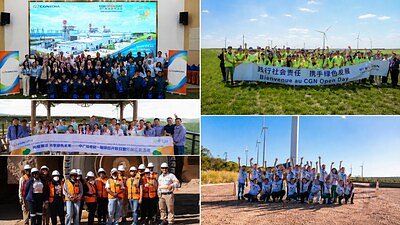
CGN's Global Green Push: Powering Nations and Shaping Minds
PARIS, FR – May 22, 2026 – As students across five countries touched wind turbines and toured solar farms, China General Nuclear Power Corporation (CGN) executed a massive, coordinated public relations and educational event. On May 21, coinciding with the UN World Day for Cultural Diversity, the state-owned energy behemoth opened the doors to its international projects in France, Namibia, Malaysia, Laos, and Brazil, offering over 300 students and journalists a curated look at the future of energy. The initiative, blending science education with cultural activities, showcases a sophisticated strategy that extends far beyond generating electricity, aiming to cultivate goodwill and embed the company into the fabric of the communities it serves.
A Global Classroom for Green Energy
The Open Day's primary focus was on engaging the next generation. In France's Grand Est Region, around 100 students from Collège Paul Langevin explored the Viapres Wind Farm. There, engineers from CGN Europe Energy detailed the mechanics of wind power and the role of artificial intelligence in modern maintenance. For science teacher Samuel Pierson, the experience was invaluable. "AI can provide knowledge, but it cannot replace the feeling of seeing the blades rotate and touching the equipment," he stated, calling the visit a "green real-world lesson for Generation Z."
Similar scenes unfolded across the globe. In Laos, students from Muang Xay Secondary School visited the newly operational 1 GW Interconnection Solar Project, the largest of its kind in Southeast Asia. They learned how sunlight is converted to power and painted their visions for a sustainable future on eco-friendly bags. Meanwhile, in Brazil's Piauí State, pupils visiting the LDB Wind Farm were treated to an ecological puppet show about environmental stewardship after witnessing the towering turbines firsthand.
In Malaysia, the focus shifted to career development. Students from Merlimau Polytechnic toured the central control room of the EMPP gas-fired power project, a facility capable of meeting 10% of Peninsular Malaysia's electricity demand. Plant director Mr. Shiva offered career advice under the theme "Universities Teach You Theory, Power Plants Teach You Responsibility," blending technical insights with professional mentorship. The day was rounded out with a Chinese water-marbling workshop, a subtle nod to the cultural exchange underpinning the event.
A Diversified and Debated Portfolio
While the Open Day highlighted wind, solar, and community engagement, it also cast a light on CGN's vast and complex energy portfolio. The company boasts an overseas new energy installed capacity exceeding 13 GW, but its definition of "clean energy" encompasses a controversial range of sources. While the solar project in Laos and wind farms in France and Brazil fit squarely within the global green transition, other assets present a more complicated picture.
In Malaysia, the showcase project was a large-scale gas-fired power plant. Although cleaner than coal, natural gas remains a fossil fuel that contributes to greenhouse gas emissions, placing it in a transitional category that many environmental advocates argue is insufficient to meet long-term climate goals. The most notable stop on the global tour, however, was in Namibia. There, journalists were invited to the Husab Uranium Mine, the world's third-largest uranium mine and China's single biggest industrial investment in Africa.
CGN framed the visit as an exercise in transparency, with its local subsidiary, Swakop Uranium, addressing issues of ecological restoration and responsible mining. Yet, the inclusion of a uranium mine in a "green energy" outreach initiative underscores a central debate in the energy sector. Nuclear power, which relies on uranium, is a low-carbon electricity source during operation, but the environmental impacts of mining and the unresolved challenge of long-term radioactive waste storage lead many to dispute its "green" credentials. This diversified strategy allows CGN to position itself as a comprehensive energy solutions provider, but it also complicates its "Clean, Green, Nature" branding.
The Geopolitics of Power
CGN's global expansion is not happening in a vacuum. As a major Chinese state-owned enterprise, its investments are deeply intertwined with Beijing's broader geopolitical and economic ambitions, including the Belt and Road Initiative (BRI). The projects featured in the Open Day are strategically located in regions where China is deepening its economic and diplomatic ties.
The 1 GW solar project in Laos, for example, is a cornerstone of the China-Laos power interconnection plan, designed to facilitate cross-border energy trade and position Laos as the "battery of Southeast Asia" with Chinese technology and capital. Similarly, the Husab mine in Namibia cements China's role as a key economic partner and secures access to critical resources for its nuclear energy program. In Brazil, where Chinese firms like CGN are major investors in the renewable sector, these projects strengthen a strategic partnership focused on infrastructure and clean technology.
By framing these massive infrastructure projects through the lens of education and cultural exchange, CGN engages in a form of soft power. The Open Day initiative helps build local support, nurtures a future workforce familiar with its technology, and presents a friendly face for China's industrial expansion abroad. This approach aims to counter the scrutiny and skepticism that often accompany large-scale investments from foreign state-owned enterprises.
Balancing Local Impact and Global Ambition
For the host countries, CGN's presence offers a mix of opportunities and challenges. The company's press release highlights positive impacts, such as creating thousands of local jobs during the construction of the Laos solar project and engaging over 70 local companies in the process. Educational outreach and infrastructure improvements like repairing schools and roads are presented as core components of its corporate social responsibility.
However, operating in diverse markets from Europe to Africa requires navigating a complex web of local regulations, community expectations, and competitive pressures. In the mature European market, CGN competes with established giants like EDF and Engie. In developing regions, while its investments are often welcomed for their economic benefits, concerns about environmental standards, labor practices, and the long-term implications of dependency on foreign capital persist.
By proactively opening its doors, CGN attempts to control the narrative, turning its power plants and mines into symbols of international cooperation and technological progress. The global Open Day is a testament to the company's understanding that in the 21st-century energy landscape, securing social license and shaping public perception is just as crucial as building the next power station.