
- Population Growth: Meridian's population surged by 56% between 2010 and 2020, reaching 135,000 residents in 2023. - Economic Strength: Median household income in Meridian is $90,000, significantly above the national average. - Expansion Timeline: New national brands (Vuori, Alo, Tecovas, etc.) will open in September 2026 as part of Phase II.
Experts would likely conclude that The Village at Meridian's expansion reflects a strategic, data-driven response to rapid demographic and economic growth, positioning the center as a lifestyle hub rather than just a retail destination.
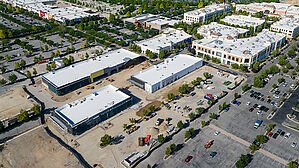
Beyond the Storefront: The Village at Meridian's Blueprint for Growth
MERIDIAN, ID – June 17, 2026 – On the surface, the announcement from CenterCal Properties is a familiar story of commercial success: a popular lifestyle center, The Village at Meridian, is expanding. A fresh slate of national brands—Vuori, Alo, Tecovas, Flower Child—will soon open their doors, with initial openings slated for this September. It’s a press release that speaks the language of leasing momentum and market strength. But beneath the polished corporate narrative lies a more compelling story about the tangible transformation of a city and a developer’s strategy to build not just a shopping center, but a modern town square.
This isn't just about adding more retail. The Phase II expansion of The Village at Meridian is a direct reflection of the powerful demographic and economic currents reshaping one of America's fastest-growing regions. It’s a case study in how data-driven development aims to meet the evolving needs of a community in flux, creating a destination that serves a purpose far beyond simple commerce.
A Market in Motion
To understand the significance of adding a Solidcore fitness studio or a Paris Baguette café, one must first understand Meridian itself. The city is the epicenter of the Boise metropolitan area's explosive growth. Between 2010 and 2020, Meridian’s population surged by over 56%, and it continues to climb, reaching an estimated 135,000 residents in 2023. This isn't just growth; it's a demographic shift. Newcomers, many from more expensive coastal states, are bringing with them higher incomes and different consumer expectations.
The numbers paint a clear picture. The median household income in Meridian now stands near $90,000, significantly above the national average. Paired with a robust job market and an unemployment rate hovering below 3%, the region boasts a consumer base with both the desire and the disposable income for premium goods and services. For national brands looking to expand, the Boise MSA is no longer a secondary market; it's a primary target.
"The Village at Meridian continues to be one of the strongest retail environments in the country," noted Jean Paul Wardy, CEO of CenterCal Properties, in the official announcement. His statement, while expected, is heavily supported by the underlying economic reality. The expansion isn't a speculative gamble; it's a calculated response to a proven and still-growing demand.
Curating the Modern Lifestyle
The specific tenants joining The Village are perhaps the most telling aspect of this strategy. The lineup reads like a checklist for the modern, affluent consumer's lifestyle: performance apparel from Vuori and Alo, handcrafted Western wear from Tecovas, trendy jewelry from Kendra Scott and Gorjana, and wellness-focused products from Tempur-Pedic. These are not legacy department store anchors; they are specialized, experience-driven brands that have built loyal followings online and in major urban centers.
Their arrival in Meridian signals a new phase of retail maturity for the region. The dining options tell a similar story. Flower Child, with its focus on healthy, fast-casual fare, caters directly to a demand for convenient, diet-conscious options. Paris Baguette provides a sophisticated bakery-café experience. And the inclusion of Solidcore, a high-intensity, boutique fitness brand, moves the center further into the realm of lifestyle services. This is a place not just for shopping, but for working out, socializing, and dining well.
This curated tenant mix is a tangible difference maker. It recognizes that today's consumers, particularly the demographic moving to Meridian, seek a seamless blend of wellness, fashion, and convenience. They are looking for a destination that consolidates their needs and provides an experience worth leaving home for. By bringing these specific brands to a single, walkable environment, CenterCal is effectively building a microcosm of the very lifestyle its new target audience aspires to.
The 'Magical Places' Blueprint
This deliberate curation is central to CenterCal's development philosophy, which aims to create what the company calls "magical places." This isn't just marketing rhetoric; it's a strategic blueprint visible across their portfolio, from Station Park in Utah to Bridgeport Village in Oregon. The model eschews the enclosed, sterile feel of traditional malls in favor of open-air, community-centric designs with fountains, event spaces, and gathering spots.
The Phase II expansion is designed to "seamlessly integrate with the existing property," extending the walkable environment that has made The Village a popular destination. It’s a strategy that recognizes the value of 'third places'—locations outside of home and work where community life unfolds. By providing the physical infrastructure for community gathering, CenterCal is embedding its property into the social fabric of Meridian, ensuring its relevance long after the novelty of new stores has worn off.
This approach is particularly critical in a fast-growing suburban market where a sense of community can be fragmented. The Village aims to be the de facto downtown Meridian never quite had, a central hub for everything from farmers' markets and holiday events to a simple evening stroll. It's a model of placemaking that delivers a direct, tangible benefit to residents seeking connection.
The Unspoken Realities of Growth
Of course, such large-scale development does not happen in a vacuum. The very growth that makes The Village's expansion possible also brings significant challenges for Meridian. Traffic congestion is a persistent concern for residents, and adding a major new phase to an already bustling center will undoubtedly strain local infrastructure. "Every new development adds more cars to Eagle Road," one longtime resident noted in a local online forum. "You have to wonder when the breaking point is."
There is also the question of impact on local businesses. While The Village brings in brands that don't directly compete with most small, independent shops, the sheer gravitational pull of such a large retail hub can make it harder for smaller businesses in the vicinity to capture consumer attention and dollars. The economic prosperity it generates is undeniable, but its distribution is not always even.
These are the complex, often unspoken realities that accompany the shiny facade of progress. Yet, they are part of the same story. The expansion of The Village at Meridian is a powerful symbol of the city's arrival as a major regional player. It is a meticulously planned response to clear human needs and market trends, but it is also an accelerator of the very changes—both positive and challenging—that are defining Meridian's 21st-century identity.