
- 74 restaurants recognized in the 2026 MICHELIN Guide, up from 52 in 2020.
- €5.2 million in estimated advertising value from Hiša Franko’s 2023 third star.
- 382 million people reached by international media coverage in 2025.
Experts would likely conclude that Slovenia’s strategic investment in gastronomy, combined with its commitment to sustainability, has successfully positioned it as a global culinary leader, driving tourism and economic growth.
Beyond the Stars: How Slovenia Forged a Global Gastronomic Identity
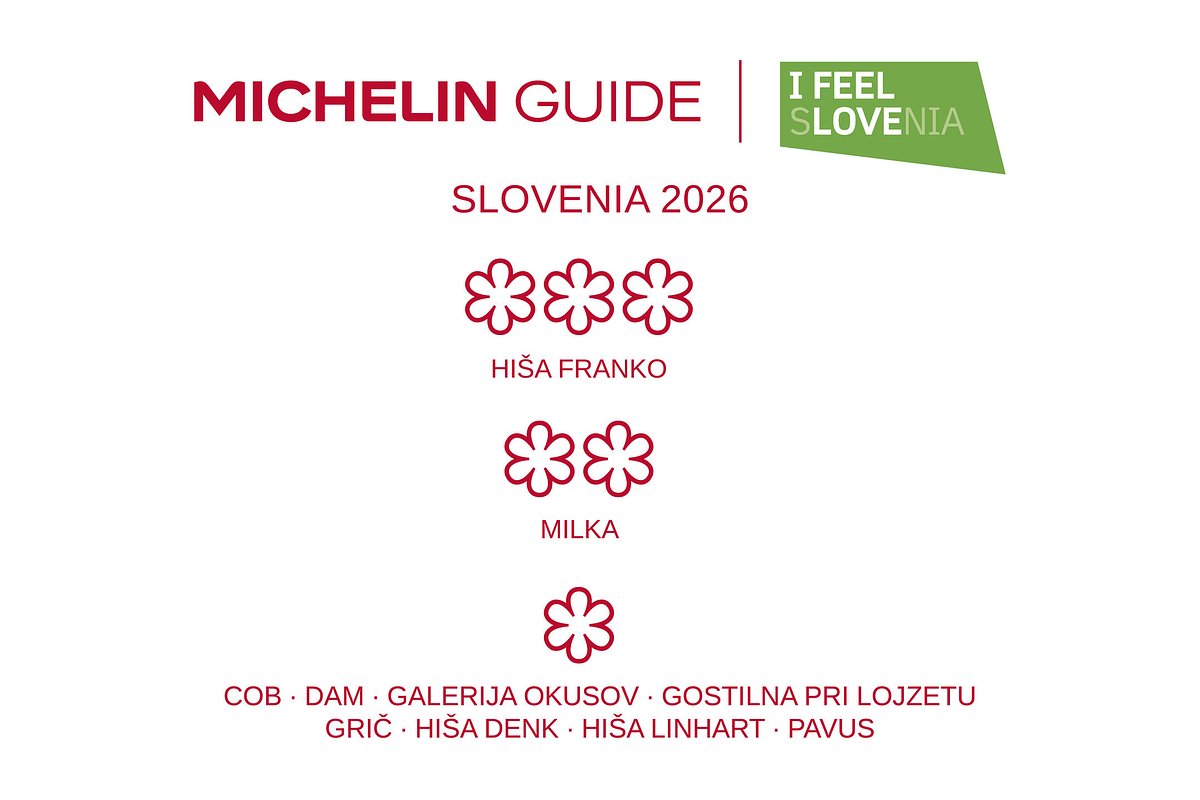
LJUBLJANA, Slovenia – June 18, 2026 – The annual cascade of MICHELIN stars has once again illuminated Slovenia’s culinary landscape. The 2026 guide celebrates 74 restaurants, reaffirming the three-star pinnacle for Ana Roš’s Hiša Franko and the two-star brilliance of David Žefran’s Milka. But to see these accolades as mere restaurant reviews is to miss the plot. This is a story about how a nation of just two million people methodically transformed its fields, forests, and kitchens into a globally recognized gastronomic powerhouse, turning plates into policy and chefs into cultural ambassadors.
A Seven-Year Ascent to the Global Stage
It’s easy to forget that just seven years ago, Slovenia was a blank space on the world’s most influential culinary map. The arrival of the MICHELIN Guide in 2020 was not an accident but the culmination of a concerted effort to showcase a rich, yet overlooked, food culture. In that inaugural year, the guide recognized 52 establishments, awarding six stars and immediately placing Hiša Franko on the global radar with two.
The trajectory since has been one of remarkable and sustained growth. Each year brought more recognized restaurants, more stars, and, crucially, more international attention. The 2023 guide marked a watershed moment when Hiša Franko ascended to the rarefied three-star club, a distinction held by a mere handful of restaurants worldwide. This wasn't just a win for one chef; it was a symbolic coronation for the entire country. The 2026 results, with Galerija okusov earning its first star and 74 restaurants now included, demonstrate that the initial momentum has solidified into a stable, high-performing ecosystem. This journey from obscurity to a European hotspot in under a decade is a case study in national branding, proving that consistent quality and strategic promotion can reshape international perceptions.
The Economic Engine Behind the Apron
While the stars glitter on the plate, their real power radiates outward, fueling a significant economic engine. The Slovenian Tourist Board has been a key architect of this success, leveraging the MICHELIN partnership to drive what it calls "higher value-added tourism." As its director, MSc Maja Pak Olaj, stated, "The inclusion of 74 restaurants from across the country demonstrates that top-quality gastronomy is becoming an increasingly important part of Slovenia's tourism offer and a key driver of higher value-added tourism development."
The numbers bear this out. The media value generated by the guide’s announcements is staggering. In 2023 alone, Hiša Franko’s third star generated an estimated advertising value equivalent of €5.2 million. In 2025, international media placements related to the guide reached over 382 million people. This isn't just abstract exposure; it translates into bookings. Gastronomic travelers, often with higher purchasing power, are now planning entire itineraries around Slovenia’s culinary map, venturing into lesser-known regions to experience a one-star restaurant or a Bib Gourmand-awarded inn. This decentralizes tourism revenue and supports local economies far from the traditional tourist hubs, creating a more resilient and distributed industry. It’s a clear return on investment, where the cost of partnering with the guide is dwarfed by the economic and reputational benefits.
The Faces of Excellence: From Pioneers to Prodigies
At the heart of this national project are the chefs. Ana Roš, the self-taught visionary of Hiša Franko, has become the global face of modern Slovenian cuisine. Her philosophy, deeply rooted in the terroir of the Soča Valley, transforms local ingredients—river trout, mountain dairy, foraged herbs—into a narrative of place. Her three stars, combined with a Green Star for sustainability, represent the pinnacle of a movement she helped pioneer: a cuisine that is at once intensely local and globally relevant. At Milka, David Žefran offers a refined, technical interpretation of mountain cuisine, solidifying Kranjska Gora as a destination for serious gourmands.
But a healthy ecosystem requires more than just towering figures. It needs a robust pipeline of new talent. The 2026 guide highlights this with a new slate of special awards. The Young Chef Award went to Marko Magajne, whose restaurant, Galerija okusov, also earned its first star—a powerful endorsement of a rising talent. The inaugural Opening of the Year Award for Gostilna Francl, led by Sebastijan Kovačič, signals that the guide is watching not just established players but the dynamic new concepts shaping the future. These awards, along with those for service and sommeliers, cultivate a culture of excellence across every facet of the dining experience, ensuring that the foundation of Slovenian gastronomy is as strong as its celebrated peaks.
A Blueprint for a Green Gastronomy
Perhaps Slovenia’s most significant contribution to the global culinary conversation is its profound commitment to sustainability. This is not a recent marketing pivot but an extension of the nation's "green DNA." The country’s chefs have long practiced a philosophy described as "from the garden to the table," a principle now globally recognized through the MICHELIN Green Star.
Slovenia’s leadership in this area is undeniable; in 2024, it ranked first among all European nations in Green Stars per capita. This year's guide continues that tradition. At Galerija okusov, for example, Chef Magajne’s commitment extends beyond the plate; he works almost exclusively with artisans within a 50km radius and has implemented a zero-plastic policy. This deep-seated focus on eco-responsibility aligns perfectly with the country's national tourism strategy of "green boutique tourism," attracting a discerning traveler who values authenticity and environmental stewardship. By codifying and celebrating these practices, the MICHELIN Guide has helped amplify Slovenia’s message: that world-class luxury and profound respect for nature are not mutually exclusive but are, in fact, two sides of the same coin. This quiet, determined focus on sustainability may be its most enduring legacy.