
- Opioid-related overdose deaths in Middlesex County tripled from 2012 to 2022, rising from 118 to 382.
- 50% of seized pills in Lowell contain a lethal dose of fentanyl.
- Nearly 1/3 of Greater Lowell residents report mental health issues.
Experts would likely conclude that Spectrum Health Systems' new integrated facility in Lowell represents a strategic advancement in addiction treatment, combining expanded access with evidence-based, multi-level care to address a deepening public health crisis.
Beyond the Ribbon-Cutting: A New Blueprint for Addiction Treatment in MA
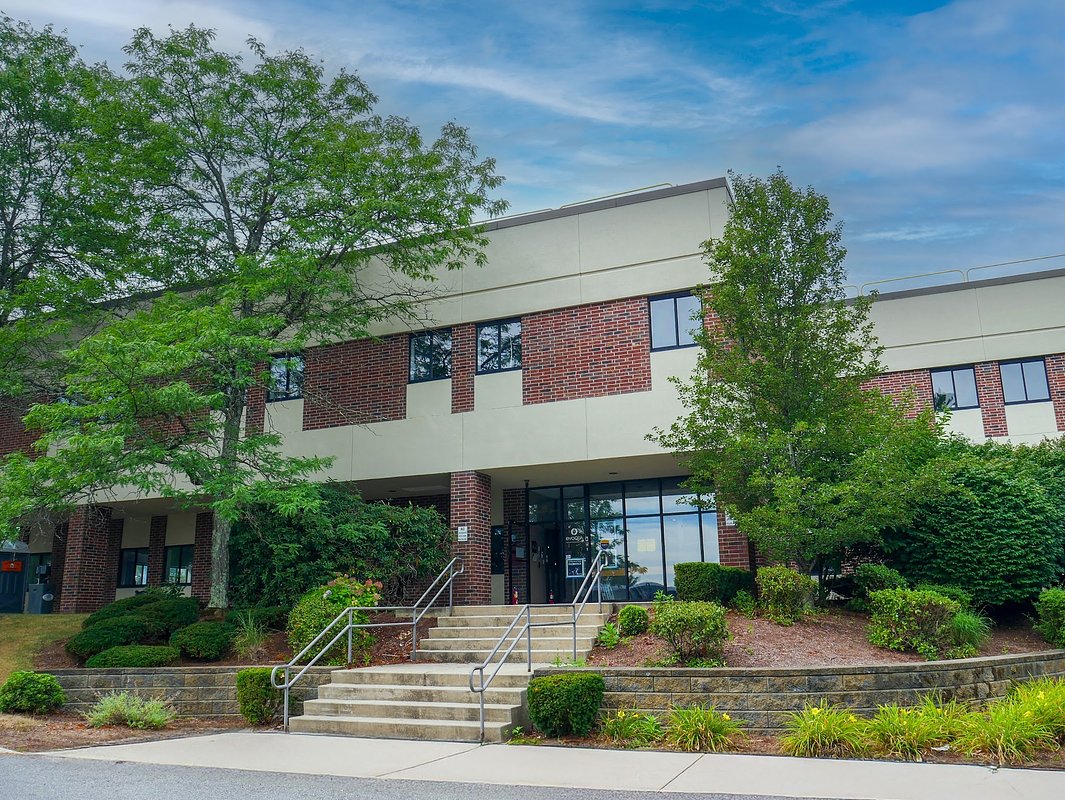
LOWELL, MA – June 04, 2026 – On the surface, the announcement from Spectrum Health Systems is a familiar one: a non-profit opens a new treatment facility to combat a public health crisis. The new center at 10 Technology Drive in Lowell, Mass., promises expanded access to care for substance use disorders. But to view this merely as an addition of beds is to miss the strategic undercurrent. This opening represents a calculated evolution in the fight against addiction, a move to re-engineer the very architecture of recovery in a state perpetually on the front lines.
For years, the flows of capital and policy in addiction treatment have often been fragmented. A new facility was just that—a single point of service in a disconnected landscape. Spectrum’s Lowell center, however, is a physical manifestation of a more sophisticated strategy, one that acknowledges the complex, intertwined nature of addiction, mental health, and the social fabric.
A Strategic Response to a Deepening Crisis
The decision to plant a flagship facility in Lowell is anything but arbitrary. The city and its surrounding Middlesex County are a microcosm of the statewide crisis, a 'hot spot' where the public health emergency is a daily reality. Between 2012 and 2022, opioid-related overdose deaths in the county more than tripled, climbing from 118 to 382. Local law enforcement identifies fentanyl as the primary drug threat, with a terrifying 50% of seized pills containing a lethal dose. This isn't a theoretical problem; it’s a statistical storm that has left communities reeling.
The 2022 Greater Lowell Health Needs Assessment underscored this reality, identifying substance abuse as one of the most severe unmet needs. Data shows the area has disproportionately high rates of substance-abuse-related hospital admissions. This new facility, therefore, is not a speculative venture but a direct deployment of resources to a critical pressure point.
“Expanding access to treatment in Lowell is an important step in addressing the substance use crisis impacting our community,” said Thomas A. Golden, Jr., Lowell's City Manager, in a statement. “We are grateful for Spectrum Health Systems’ investment and commitment to supporting individuals and families on their path to recovery.”
This endorsement from city leadership highlights the symbiotic relationship required to make such an initiative work. It is a public acknowledgment that private, non-profit action is an essential component of the public infrastructure needed to manage a crisis of this magnitude.
The Blueprint for Integrated Recovery
The true strategic innovation lies within the building's four walls. The facility is designed not as a single-service stop, but as a comprehensive ecosystem for recovery. By offering three integrated levels of care—a 16-bed inpatient detoxification unit, a 44-bed Clinical Stabilization Services (CSS) program, and robust outpatient services—Spectrum is building a system designed to capture and support an individual through the most volatile stages of their journey.
This continuum-of-care model is a direct answer to the notorious revolving door of addiction treatment. Previously, a patient might detox in one location, only to be placed on a waiting list for a residential program elsewhere, a gap in which relapse is dangerously probable. By housing these services together, the facility creates a warm handoff, reducing the friction that can derail recovery. The outpatient offerings, available six days a week and including medication for addiction treatment (MAT), provide the long-term scaffolding necessary for sustained stability.
Most significantly, the facility is co-located with a program run by Vinfen, a major provider of behavioral health services. This partnership is a direct strike against the dual-headed dragon of co-occurring disorders. In Greater Lowell, nearly a third of residents report mental health issues, and emergency room visits for mental health crises are significantly higher than the state average. By placing SUD treatment and behavioral health crisis intervention under one roof, the model provides an alternative to emergency rooms and incarceration. It acknowledges that substance use is often a symptom of, or deeply entangled with, underlying mental health challenges. This integration is the quiet move that could define the next decade of effective treatment, creating a truly seamless path to recovery where one previously did not exist.
The Economics of Evidence-Based Care
As a private non-profit, Spectrum's expansion is also a lesson in sustainable strategic investment. The organization, founded in 1969, has built a financial model that allows it to make significant capital outlays like the Lowell facility. This is not driven by profit motive alone, but by a long-term strategy rooted in community impact and evidence-based practice.
The organization’s “Community Impact Initiative,” which has awarded nearly $1.5 million to local non-profits, is not just philanthropy; it is a strategic investment in the health of the communities it serves, creating a more stable environment for its own mission. The operational model, focused on a full continuum of care, is also economically sound. It diversifies revenue streams (from detox to outpatient) and improves patient retention, which in turn leads to better outcomes and more reliable reimbursement from insurers and state funding bodies like the Bureau of Substance Addiction Services (BSAS).
By building a facility that provides what the data says is needed—integrated, evidence-based, multi-level care—Spectrum is aligning its clinical approach with a sustainable operational model. It is a powerful example of how doing the right thing for patients can also be the right thing for the long-term health of an organization.
Navigating Access in an Overwhelmed System
Despite this significant infusion of resources, the Lowell facility opens into a system under immense strain. The addition of 60 total inpatient and residential beds and extensive outpatient capacity is a critical victory, but it will not single-handedly solve the access problem. Barriers remain, from insurance complexities and transportation issues to the pervasive stigma that prevents many from seeking help in the first place.
Individuals will access these new services through a web of referrals—from emergency rooms, primary care physicians, and community programs—or by reaching out themselves. The key will be how effectively this new hub integrates with existing local efforts like the Lowell Community Health Center and the Community Opioid Outreach Program (CO-OP).
The strategic value of the Lowell facility is undeniable. It expands capacity, introduces an innovative integrated model, and reinforces a high-need area. It is a powerful, necessary move on a very difficult chessboard, addressing the crisis not just with more resources, but with a smarter deployment of them.