
- Kickstarter campaign raised over €15,000 in first few days, surpassing initial €4,267 goal
- 230+ backers within initial launch period
- Previous product, 'Smart Travel Canvas,' raised $129,151 from 699 backers across 38 countries
Experts would likely conclude that Memoried's NFC stickers represent an innovative solution to bridging the gap between physical souvenirs and digital memories, leveraging widely adopted NFC technology to create a seamless, interactive storytelling experience.
Beyond the Magnet: How NFC Stickers Are Making Souvenirs Tell Stories
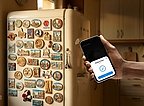
BERLIN, May 11, 2026 – The collection of magnets on your refrigerator door holds a geography of your life's adventures, but their stories often fade into the background hum of the kitchen. A Berlin-based startup, Memoried, is aiming to change that, launching an innovative product today that promises to turn those static souvenirs into dynamic, interactive portals to your past.
The company's new 'Memoried Stickers,' now live on the crowdfunding platform Kickstarter, are small, unassuming decals powered by Near Field Communication (NFC) technology. By attaching a sticker to the back of a fridge magnet, a seashell from a beach trip, or any physical memento, users can link it to a curated collection of digital memories—photos, videos, and personal notes—from that specific journey. When a friend or family member taps the souvenir with their smartphone, the associated memory instantly opens in their web browser, no app required.
"People are drowning in digital memories they never look at – and holding physical souvenirs that have lost their story. We built Memoried to close that gap," says Moritz, Co-Founder of Memoried, in the company's announcement. "The magnet on your fridge shouldn't just remind you that you went to Rome. It should take you back there."
A Proven Formula for Crowdfunding Success
This is not Memoried's first foray into the world of high-stakes crowdfunding, and their track record suggests a deep understanding of their audience. The Kickstarter campaign for the new stickers, launched with a modest goal of €4,267, has already surged past €15,000 from over 230 backers within its first few days, with nearly a month still remaining.
This explosive start mirrors the success of their debut product in 2025, the 'Smart Travel Canvas.' That campaign raised an impressive $129,151 from 699 backers across more than 38 countries, earning the coveted "Project We Love" badge from Kickstarter staff. The product, an interactive world map using NFC-enabled pins to store and display travel memories, demonstrated a strong market appetite for tangible ways to engage with digital content, particularly from consumers in the United States, which remains the company’s primary target market.
Memoried has also mastered the art of the pre-launch buzz. In the 30 days leading up to the sticker launch, a viral teaser campaign on Instagram reached over three million people, organically growing their follower count by more than 4,000. This strategy of validating an idea and building a community before asking for a single dollar is a core tenet of modern crowdfunding success, a playbook Memoried appears to have perfected.
Bridging the Physical and Digital Divide
The genius of the Memoried Stickers lies in their profound simplicity. The process is designed to be frictionless for both the memory creator and the viewer. A user sticks the NFC tag onto an object, uses the Memoried app to upload and link their chosen photos and videos, and it's ready. The magic happens when someone else interacts with it. The tap-to-view functionality removes the common barriers of downloading a specific app or fumbling with clunky QR codes, creating a seamless bridge between a physical object and its digital soul.
This approach directly addresses a modern paradox: we capture more moments than ever before, yet these thousands of photos and videos often languish unseen in cloud storage or on cluttered camera rolls. Physical souvenirs, meant to be tangible reminders, become disconnected from the rich digital narratives they represent. Memoried’s solution doesn't seek to replace either the physical object or the digital archive; instead, it elegantly intertwines them. It transforms a passive object into an active storyteller, creating what the company calls a "living photo album" embedded in the things you already own and love.
NFC Technology Finds a New Story to Tell
While the application is novel, the technology powering it is likely already in your pocket. NFC is the same short-range wireless protocol that enables contactless payments with services like Apple Pay and Google Pay, or the quick pairing of headphones to a smartphone. Its adoption is widespread, making the potential user base for Memoried's concept massive.
Historically used for transactional or functional purposes, NFC is increasingly being explored for more creative and personal applications. From Nintendo’s Amiibo figures that interact with video games to smart posters that launch movie trailers with a tap, innovators are finding ways to use this simple tech to add layers of digital information to the physical world. Memoried stands as a compelling case study in this trend, leveraging NFC not for data or commerce, but for sentiment and storytelling.
The technology's primary limitation—its very short communication range of a few centimeters—becomes a feature in this context. It ensures interactions are intentional, private, and personal. The passive NFC tags used in the stickers require no batteries, drawing power from the smartphone that reads them, meaning the linked memory will endure as long as the digital content is maintained on Memoried's servers. This hints at the company's long-term business model, which likely combines the one-time sale of stickers with a cloud-based service for hosting the digital memories, potentially through tiered storage subscriptions.
Redefining the Souvenir in a Digital Age
In a market saturated with digital photo frames and generic photo-sharing apps, Memoried has carved out a unique niche. It doesn't compete directly with cloud storage giants like Google Photos or social platforms like Instagram. Instead, it offers a powerful curation and presentation layer on top of those digital archives. It's not about storing a thousand photos from a trip; it's about selecting the five perfect images and one short video that truly capture the essence of a moment and linking them to a single, tangible object.
This focus on enhancing existing, personal items sets it apart from competitors that require you to buy a specific digital frame or print a new book with QR codes. The value proposition is the upgrade itself—the ability to imbue any object with a story. This has the potential to fundamentally change our relationship with the souvenirs we collect. A simple postcard is no longer just a picture of the Eiffel Tower; it's a portal to a video of a family picnic on the Champ de Mars. A polished stone from a hike becomes the gateway to a gallery of panoramic summit views.
As travelers continue to seek more authentic and personal ways to preserve their experiences, this blend of the tangible and the digital offers a compelling path forward. By giving our souvenirs a voice, Memoried is not just selling a clever piece of tech; it's offering a richer, more interactive way to remember. The company's continued success suggests that many people are ready to listen to the stories their souvenirs have been waiting to tell.