
- 2,000+ properties in 75 countries now served by the merged entity.
- Hospitality tech market projected to grow from $43.8B (2025) to $98.6B (2034).
- 67% of travelers already using AI for trip planning.
Experts would likely conclude that this merger represents a strategic bet on the future of hospitality, where seamless, data-driven guest experiences drive profitability through 'non-room' revenue streams.
Beyond the Hotel Room: A Tech Merger Redefines the Guest Experience
HUNTINGTON, N.Y. – June 16, 2026
At first glance, the announcement that RealTime Reservation (RTR) has acquired STAY looks like standard fare in the fast-moving world of B2B software. One hospitality tech company buys another, backed by a strategic investment from Wavecrest Growth Partners, creating a larger entity that will now serve over 2,000 properties in 75 countries. But buried in the corporate language of synergies and scale is a much bigger story about the fundamental transformation of the hotel industry. This isn't just about booking rooms anymore; it's about monetizing every moment of a guest's stay.
The newly combined company is making a bold promise: to create a single, end-to-end platform that connects the entire guest journey, from the moment of booking to the final checkout. "The hospitality industry is moving toward a more connected, guest-centric experience, and together we are uniquely positioned to help hotels deliver it," said Shawn Tarter, CEO of RealTime Reservation, in the official announcement. This merger is a high-stakes bet that the future of hospitality lies not in a collection of separate services, but in one seamless, data-driven experience.
The 'Non-Room' Revenue Gold Rush
For decades, the core business of a hotel was simple: sell beds. Profitability was measured in occupancy rates and revenue per available room. That model is being rapidly dismantled. Today's hotels are under immense pressure to become comprehensive experience providers, generating revenue from every possible touchpoint: spa treatments, poolside cabanas, golf tee times, restaurant reservations, and exclusive activities. This is the world of ancillary, or 'non-room', revenue, and it represents a modern-day gold rush for the industry.
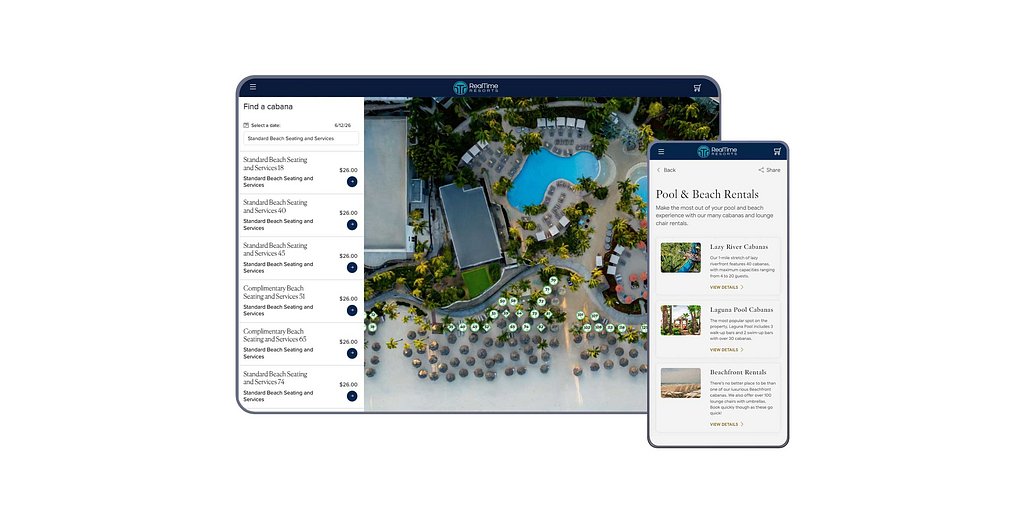
This shift is the financial engine driving the RTR-STAY deal. Vaibhav Nalwaya, Managing Partner at investor Wavecrest Growth Partners, pinpointed the objective, noting the platforms help operators "drive incremental 'non-room' revenue while maintaining a high-quality guest experience." The logic is compelling. RealTime Reservation built its reputation on a pre-arrival commerce platform, allowing guests to book and pay for activities before they even pack their bags. STAY, meanwhile, excels at in-stay engagement, giving guests a mobile app to order room service, communicate with the concierge, or book a last-minute tour.
By combining them, the company aims to create what it calls "one shopping cart and one shared data foundation." Imagine booking a hotel and, on the same platform, adding a dinner reservation and a massage for your first day. Then, upon arrival, the hotel app, armed with that data, suggests a wine pairing for your dinner based on your previous preferences. This is the lucrative ecosystem the combined company wants to own, tapping into a hospitality technology market projected to surge from $43.8 billion in 2025 to nearly $98.6 billion by 2034.
A Crowded Field Seeks a Champion
The move also serves as a direct response to a major pain point for hotel operators: technology fragmentation. The average hotel can use anywhere from 10 to 50 different software systems to manage its operations, from property management and bookings to guest communication and point-of-sale. This patchwork of disparate systems creates operational inefficiencies, data silos, and a disjointed experience for both staff and guests.
The competitive landscape is a testament to this fragmentation. The new entity will face off against a host of specialized and integrated players. In upselling and guest messaging, it will compete with agile platforms like Canary Technologies and Duve. For in-stay guest apps, it must contend with a field including Akia and HiJiffy, which leverage AI for automated communication. Looming over everyone is the industry giant, Oracle Hospitality, with its comprehensive property management suite.
By merging, RealTime Reservation and STAY are betting that hotels are tired of playing system integrator and will gravitate toward a single, powerful vendor that can simplify their tech stack. This is a classic consolidation play, aiming to become the go-to champion in a crowded and chaotic field. The question for hotel operators will be whether this consolidation fosters true innovation through integration or simply reduces their choices in an already complex market.
The Integration Gauntlet and the Promise of Personalization
The vision is ambitious, but the path forward is lined with significant technical and operational challenges. Merging two distinct software platforms, each with its own architecture and database, is a monumental task. The promise of a "unified solution" is easy to make in a press release but notoriously difficult to execute. The success of this acquisition will hinge on whether the company can seamlessly weave together RTR's pre-arrival systems and STAY's in-stay capabilities without creating a clunky, stitched-together product.
If they succeed, the payoff is a level of personalization that was once the exclusive domain of luxury concierges. A unified data stream means the platform knows a guest's entire history, from pre-booking preferences to in-stay behavior. This is crucial in an era where guest expectations are being shaped by AI. With 67% of travelers already using AI for trip planning, a personalized, predictive experience is fast becoming the standard, not the exception.
Joan Lladó, who will continue to lead the STAY division, expressed optimism, stating that joining RTR provides the "scale, resources, and complementary technology needed to accelerate that vision." His continued leadership ensures critical product knowledge remains during the integration. For now, the merger of RealTime Reservation and STAY stands as a powerful statement of intent, a blueprint for the future of hospitality where the guest experience is a single, continuous, and highly profitable journey.