
- $15,000–$20,000: Average cost of a typical water damage claim, excluding mold remediation.
- High-frequency risk: Water damage claims now rival catastrophic risks like wildfires in some ZIP codes.
- $300–$1,000+: Cost range for automatic water shut-off devices, including installation.
Experts agree that this mandate reflects a strategic shift in risk management, balancing financial stability for insurers with proactive home protection for policyholders.
Beyond the Flames: The New Insurance Mandate for Water Shut-Off Tech
PARADISE, Calif. – June 16, 2026 – For years, California homeowners have become accustomed to a new reality shaped by fire risk: clearing brush, hardening homes, and navigating a volatile insurance market. But now, a different kind of threat—silent, insidious, and costly—is forcing a new mandate. Insurers across the state are increasingly requiring the installation of automatic water shut-off devices as a condition for coverage, a move that is surprising homeowners and signaling a major shift in how the industry manages risk.
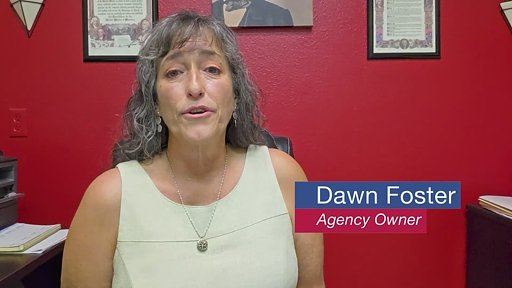
In communities like Paradise, still rebuilding from the ashes of the 2018 Camp Fire, this requirement adds another layer to an already complex recovery. While wildfire preparedness remains paramount, the focus is expanding to include the everyday peril of a burst pipe or a leaking water heater. A recent article in HelloNation featuring local insurance expert Dawn Foster brought the issue to the forefront, explaining that this is not an arbitrary hurdle, but a calculated response to a growing financial drain on the insurance ecosystem. Water damage has quietly become one of the most frequent and expensive categories of claims, prompting carriers to leverage technology to stop losses before they start.
The Rising Tide of Non-Catastrophic Claims
While wildfires command headlines, the steady drip of water damage claims has created a financial crisis of its own. Unlike catastrophic events, which are severe but sporadic, plumbing failures represent a high-frequency risk that affects homes of all ages. “Insurers have been reevaluating how they handle non-fire losses across California,” explains Dawn Foster in the HelloNation piece. “Water damage has become one of the costliest categories of claims.”
This trend is particularly acute in areas with a mix of housing stock. In Paradise, new homes built to the latest codes stand alongside older properties that survived the fire but have aging plumbing systems. Worn fixtures, corroded pipes, and old water heaters are ticking time bombs for leaks that can cause tens of thousands of dollars in damage within minutes. A single burst washing machine hose can flood a home, ruining floors, warping cabinets, and leading to persistent mold problems that require extensive and costly remediation.
Industry data confirms this concern. According to one analyst from an independent insurance research firm, “While a wildfire is a total-loss event, water damage claims are a constant bleed on the system. In some ZIP codes, the aggregated cost of water claims now rivals that of more visible catastrophic risks.” For insurers evaluating a property, the risk profile is now twofold: exposure to external threats like wildfires and vulnerability to internal failures like water leaks. Homes with high exposure in both categories are becoming uninsurable without significant mitigation.
A Technological Solution Becomes a Prerequisite
In response, insurers are turning to a technological fix: the automatic water shut-off device. These systems, often part of the growing “insurtech” and smart home ecosystem, act as a constant watchguard over a home’s plumbing. Simpler models use sensors placed near high-risk appliances like washing machines and water heaters, which trigger a valve on the main water line to close when moisture is detected. More advanced systems use ultrasonic flow meters or pressure sensors to monitor the entire plumbing system, learning a home's typical water usage patterns and shutting off the supply when abnormal flow—indicative of a leak—is detected. Many connect to a homeowner’s smartphone, sending instant alerts.
The cost of these devices, which can range from a few hundred to over a thousand dollars plus installation, is a new expense for homeowners. However, insurers frame it as a sound investment. “The cost of a high-end system is a fraction of a typical water damage claim, which can easily exceed $15,000 to $20,000, not including the cost of mold remediation,” noted a representative for a major California carrier. For many homeowners, the requirement is presented not as a choice, but as a clear path to maintain coverage.
Implementation varies significantly between carriers. Some mandate the devices only for homes over a certain age or those with a history of water claims. Others are applying the rule across entire ZIP codes where they have observed a pattern of high-loss activity. The onus is on the homeowner to comply, often within a tight timeframe set by the insurer upon policy renewal. This involves not only purchasing a device but ensuring it meets the carrier’s specific underwriting guidelines and is installed correctly—sometimes by a licensed plumber, a further expense.
Stabilizing a Fragile Insurance Market
This new mandate is more than a response to a single type of claim; it is a strategic maneuver to maintain market stability in California. In recent years, major insurers have pulled back from the state, citing unsustainable losses from wildfires and other risks. By requiring proactive loss prevention, carriers are attempting to reduce their financial exposure, which they argue is essential to continue offering policies in high-risk areas at all.
This approach is a critical distinction from state-level policy. While California has enacted legislation like the “Water Shutoff Protection Act” (SB 998 and SB 3), those laws protect consumers from having their water service disconnected by a utility for non-payment. The insurance mandate is a private-sector requirement for property protection, driven by risk modeling and market pressures. It operates in a space largely unregulated by state mandates, leaving homeowners to negotiate directly with their insurers.
For residents in areas covered by the California FAIR Plan—the state’s insurer of last resort—the stakes are even higher. The basic FAIR Plan policy explicitly excludes coverage for water damage from sources like burst pipes, leaving homeowners financially exposed unless they can secure a supplemental “Difference-in-Conditions” policy from the private market. The new device mandates from private insurers are, in effect, becoming a gateway to obtaining this essential, comprehensive coverage.
As Dawn Foster notes, requiring a shut-off device is a practical solution. Rather than abandoning a market, it allows an insurer to provide coverage on the condition that the homeowner partners with them to mitigate a key risk. It transforms the insurance policy from a simple financial backstop into a dynamic risk management agreement.
The Future of Proactive Home Protection
The trend toward mandatory water shut-off devices is likely just the beginning of a broader shift in the insurance industry. As smart home technology becomes more sophisticated and affordable, carriers are expected to integrate a wider array of data points into their underwriting. Water sensors, temperature monitors to prevent frozen pipes, smart smoke detectors, and even electrical system sensors could all become part of a new standard for insurable homes.
This evolution recasts the relationship between the insurer and the insured into one of shared responsibility for risk management. For homeowners, it means taking a more active role in protecting their property, not just from the visible threat of fire on the horizon, but also from the hidden dangers within their walls. As highlighted in the HelloNation article, this shift is ultimately about resilience.
For the residents of Paradise and countless other California communities, adapting to these new requirements is part of the ongoing challenge of living in a high-risk environment. The mandate for water shut-off devices is a clear signal that in the modern insurance landscape, preventing a loss is just as important as recovering from one, protecting both the homeowner's investment and the stability of the market that underpins it.