
- 59% of dogs and 61% of cats in the U.S. are overweight or obese (2022 APOP report).
- Two-thirds of pets in the UTVOC program achieved clinically significant weight loss (>10% of starting weight).
- Obesity-related veterinary claims totaled $69 million in a single year.
Experts agree that pet obesity is a severe, treatable health crisis requiring science-backed nutrition, veterinary education, and owner awareness to improve pet longevity and quality of life.
Beyond the Bowl: A Strategic Alliance to Combat the Pet Obesity Crisis
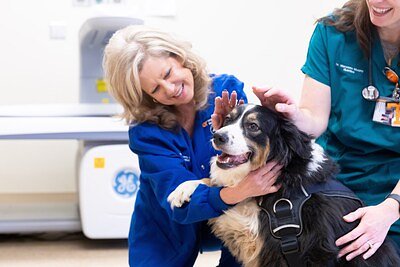
ST. LOUIS, MO – March 16, 2026 – As pet owners across the nation cherish their furry companions, a quiet and dangerous health crisis continues to swell. Now, a renewed multi-year partnership between Royal Canin, a global leader in pet nutrition, and the University of Tennessee Veterinary Obesity Center (UTVOC) aims to turn the tide against this growing epidemic. The significant investment reinforces a joint mission established in 2020: to leverage science, education, and precise nutrition to improve and extend the lives of cats and dogs.
The Silent Epidemic Weighing Down Our Pets
Pet obesity is far more than a cosmetic issue; it is a serious medical condition with devastating consequences. Recent data paints a grim picture, with a 2022 report from the Association for Pet Obesity Prevention (APOP) finding that a staggering 59% of dogs and 61% of cats in the United States are classified as overweight or obese. This excess weight is not benign. Studies have shown that overweight dogs may live up to 2.5 years less than their counterparts at a healthy weight, while the impact on felines can be even more severe.
The health risks associated with obesity are extensive and severe, mirroring those in humans. Vets now recognize it as a chronic inflammatory condition that predisposes pets to a host of debilitating diseases, including certain types of cancer, diabetes mellitus, heart disease, and painful osteoarthritis that severely diminishes their quality of life. The financial toll is also substantial. Pet insurance providers have reported massive increases in claims for obesity-related conditions, with one insurer noting that such claims accounted for over $69 million in veterinary expenses in a single year.
Compounding the problem is a significant perception gap, often called the “fat gap,” where owners fail to recognize that their pet has a weight problem. Surveys consistently reveal that while veterinarians classify over half of pets as overweight, a vast majority of owners believe their animal is at a healthy weight. This disconnect represents a critical barrier to intervention, making education and clear communication from veterinary professionals more important than ever.
A Blueprint for Health: The UTVOC-Royal Canin Model
It is against this challenging backdrop that the collaboration between Royal Canin and the UTVOC provides a powerful model for change. The center was founded to tackle the obesity epidemic head-on through a three-pronged approach: subsidized clinical care for pets, cutting-edge research, and professional education for the veterinary community.
"Pet obesity is an epidemic in our pet population," said Dr. Todd East, director of veterinary affairs for Royal Canin North America. "We are proud to continue partnering with UTVOC to provide precise nutrition for overweight animals in need and to educate both pet owners and veterinarians. Together our goal is to make a meaningful impact to combat pet obesity."
The UTVOC’s program provides real-world results. By offering subsidized clinical management for obesity in client-owned pets, it makes expert care accessible at little to no cost. The outcomes have been remarkable. Data from the first 175 animals enrolled—75 cats and 100 dogs—showed that approximately two-thirds experienced a clinically significant reduction in body weight, defined as a loss of more than 10% of their starting weight. This success, which included nearly 80% of participating dogs, demonstrates that with the right tools and guidance, significant health improvements are achievable.
These clinical cases do more than just help individual animals; they fuel ongoing research into evidence-based approaches for obesity management. The findings are then disseminated through continuing education programs and peer-reviewed publications, arming veterinarians with the latest knowledge.
"The Veterinary Obesity Center and our partnership with Royal Canin has allowed me to explore new ideas about managing overweight pets," explained Angela Rollins, DVM, PhD, a board-certified veterinary nutritionist at the University of Tennessee College of Veterinary Medicine. "What we're learning in the clinic has strengthened the way I teach students and veterinary professionals and helped launch new research projects."
Corporate Responsibility Meets Scientific Advancement
The renewal of this partnership highlights a broader industry trend but also sets a high standard for corporate responsibility. While many pet food companies, including major players like Hill's Science Diet and Purina, offer weight management diets and educational resources, Royal Canin's deep, long-term investment in an academic research center represents a profound commitment that goes beyond product marketing. It is a strategic decision to invest in the foundational science and professional infrastructure needed to solve a complex health problem.
This approach aligns with the company's core philosophy of “Health Through Nutrition,” which emphasizes science-based diets tailored to an animal's specific needs. By funding a center dedicated to obesity research and treatment, the Mars, Incorporated brand is actively contributing to the knowledge base of the entire veterinary field. This positions the company not just as a provider of goods, but as a key partner in advancing animal welfare and supporting the veterinarians on the front lines of pet health.
This model of public-private collaboration is crucial for tackling widespread challenges. It combines corporate resources and nutritional expertise with academic rigor and clinical application, creating a powerful engine for innovation that benefits pets, their owners, and the veterinary community alike.
Empowering Owners to Tip the Scales
For pet owners who may feel overwhelmed by their pet's weight struggles, the success of the UTVOC program offers a message of hope and empowerment. It underscores a fundamental truth: pet obesity is a treatable disease, not a personal failing. The key to success lies in a collaborative partnership with a veterinarian, who can provide an accurate diagnosis, help set realistic goals, and recommend a comprehensive management plan.
This plan almost always involves a switch to a precisely formulated therapeutic diet designed for weight loss, which ensures a pet receives all essential nutrients while consuming fewer calories. Just as important are controlled portion sizes and a gradual increase in physical activity. The UTVOC’s success in helping a majority of its patients achieve significant weight loss proves that with professional guidance and owner commitment, transformation is possible.
Ultimately, reversing the pet obesity trend requires a collective effort. It demands that companies invest in science, that veterinarians are equipped with the best training, and that owners are educated and empowered to make healthy choices for their beloved companions. Through dedicated initiatives like the Royal Canin-UTVOC partnership, the path to a healthier, longer life for millions of pets becomes clearer and more attainable.
Topics & Related
Related Company Pulse