
- ZIP code as a predictor: A person’s ZIP code can be a more powerful predictor of their life expectancy than their genetic code.
- Mentorship impact: Mentored youth are more likely to succeed in school and avoid risky behaviors, reducing long-term health costs.
- Georgia demand: Waiting lists for mentors in Georgia are long, especially for boys and rural children.
Experts would likely conclude that addressing social determinants of health through mentorship is a strategic, evidence-based intervention that reduces long-term healthcare costs and improves community well-being.
Beyond Prescriptions: Why Healthcare is Betting on Mentorship
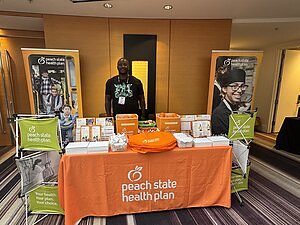
ATLANTA, GA – June 22, 2026 – Amid the buzz of networking and strategy sessions at the Big Brothers Big Sisters of America National Conference, the presence of a leading health insurance provider might seem, at first glance, out of place. Here, where the currency is connection and the goal is igniting youth potential, discussions typically revolve around social work, not CPT codes. Yet, representatives from Peach State Health Plan, a subsidiary of the healthcare giant Centene Corporation, were a visible and integral part of the gathering, sharing resources and engaging deeply with community leaders. Their participation wasn't a simple act of corporate sponsorship; it was a clear signal of a profound shift occurring at the intersection of healthcare and community wellness. The future of health, it seems, is no longer confined to the clinic.
A New Prescription for Community Health
The most innovative thinking in public health today is coalescing around a concept known as Social Determinants of Health (SDOH). This framework acknowledges a simple but powerful truth: the conditions in which people are born, grow, work, live, and age have a far greater impact on their well-being than the medical care they receive. A person’s ZIP code can be a more powerful predictor of their life expectancy than their genetic code. This understanding is forcing a radical reimagining of what a healthcare company’s responsibilities are.
Peach State Health Plan, which serves hundreds of thousands of Georgians through Medicaid, PeachCare for Kids®, and other government-sponsored programs, is on the front lines of this evolution. Their investment in mentorship isn’t philanthropy; it's a strategic, long-term health intervention. By supporting an organization like Big Brothers Big Sisters, they are addressing the root causes of future health problems—instability, lack of opportunity, and social isolation—before they can manifest as chronic disease or acute crises.
"When leaders, partners, and affiliates come together around a common mission, it affirms just how powerful connection can be," said Clyde White, President and CEO of Peach State Health Plan. His statement, made in the context of the conference, speaks to this new paradigm. The "powerful connection" he refers to isn't just between conference attendees, but between a mentor and a child—a connection that research shows can buffer the effects of childhood adversity, a leading cause of poor health outcomes later in life.
The Mentorship Dividend in Georgia
Nowhere is the need for such intervention more apparent than in Georgia itself. While organizations like Big Brothers Big Sisters of Metro Atlanta serve thousands of children, the demand consistently outstrips the supply of mentors. Waiting lists are long, particularly for boys and children in rural areas, highlighting a critical gap in the social support infrastructure. The challenges Georgia's youth face—from economic hardship to educational disparities—are the very social determinants that health plans are now beginning to address.
The return on investment for mentorship is well-documented and profound. Studies consistently show that mentored youth are more likely to succeed in school, avoid risky behaviors like drug and alcohol use, and have better relationships with their parents and peers. They develop higher self-esteem and are more likely to envision a positive future for themselves. From a public health perspective, these outcomes represent a powerful form of preventative medicine. A child who stays in school and avoids the juvenile justice system is less likely to suffer from the chronic stress and instability that lead to costly health issues in adulthood.
By supporting the infrastructure of mentorship, Peach State Health Plan is effectively investing in the future health of its own member base. It's a recognition that building a healthier community requires more than paying for doctor's visits; it requires building resilience, opportunity, and a sense of belonging for the next generation.
The Corporate Blueprint: From Local Action to National Strategy
This proactive approach is not an isolated initiative. It is a direct reflection of a national strategy championed by its parent company, Centene Corporation. As a major player in government-sponsored healthcare, Centene has built its business model around serving vulnerable populations. Its leadership understands that to manage health outcomes effectively and control long-term costs, it must invest outside the traditional boundaries of care.
The presence of Jon Dinesman, Executive Vice President of External Affairs for Centene and a board member for Big Brothers Big Sisters of America, at the Atlanta conference underscores this top-down commitment. "We believe strong communities start with meaningful relationships, and mentorship is a powerful way to help young people thrive," Dinesman stated. This philosophy links the abstract goal of "strong communities" to the tangible action of fostering a mentoring relationship.
This strategic alignment of corporate resources with community needs is becoming a hallmark of the modern healthcare industry. Faced with mounting evidence of SDOH's impact, other major payers are also launching initiatives to address food insecurity, housing instability, and education. The collaboration between Peach State and BBBSA is a leading example of how a national healthcare mission can be translated into meaningful, localized action, leveraging the subsidiary’s deep community ties to execute a broader vision.
The Future of Care is Connection
The dialogue at the BBBSA National Conference was a glimpse into the future of community problem-solving, where the lines between sectors are blurring. A health insurer, a non-profit, and community leaders were not operating in silos but converging on a shared objective: creating an environment where young people can flourish. This cross-sector partnership model is essential for tackling complex social challenges that no single organization can solve alone.
What this trend makes clear is that our definition of healthcare is expanding. The most effective health systems of the future will be those that recognize their role as integral parts of a larger community ecosystem. They will be the ones that understand that investing in a child’s potential through mentorship is as critical a health intervention as providing access to a vaccine. The innovation on display in Atlanta was not a new medical device or a breakthrough drug, but a more holistic and deeply human-centered approach to building a healthier society, one relationship at a time.