
- 63% of voters under 30 are eager for Bad Bunny's Super Bowl performance, with strong support from Black (52%) and Hispanic (50%) voters.
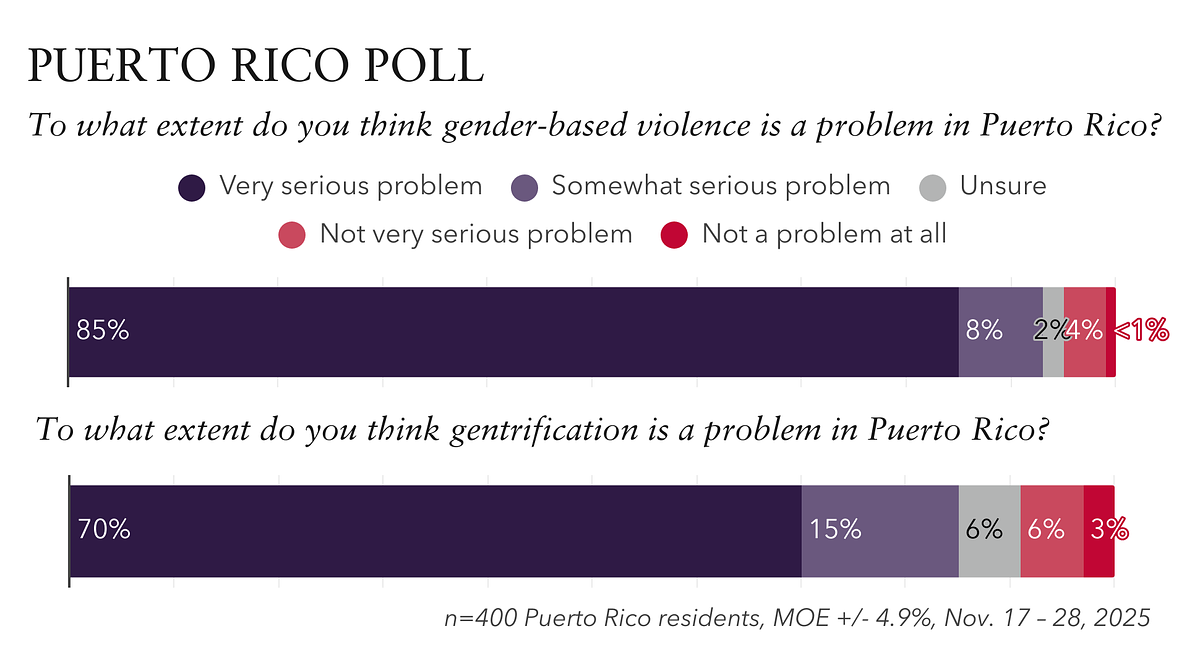
- 85% of Puerto Ricans view gentrification as a serious problem, while 94% see gender-based violence as a critical issue.
- 69% of Puerto Ricans say Bad Bunny's song 'Andrea' increased their awareness of gender-based violence.
Experts agree that Bad Bunny's Super Bowl performance represents a significant cultural moment, blending entertainment with activism, and reflects a growing expectation for artists to address social issues like gentrification and gender-based violence in Puerto Rico.
Bad Bunny: More Than a Halftime Show, A Social Reckoning
BOSTON, MA – February 05, 2026 – As anticipation builds for Bad Bunny's headlining performance at Super Bowl LX, new polling from Emerson College reveals more than just excitement for a halftime show. The data suggests a confluence of entertainment, cultural influence, and social activism, positioning the global superstar not just as an entertainer, but as a powerful voice for a generation demanding change.
Two separate polls highlight both the massive appeal of the Puerto Rican artist among key demographics and the tangible impact his music is having on critical social issues plaguing his home island, namely gentrification and gender-based violence.
A New Era for the Halftime Stage
The Super Bowl halftime show has long evolved from a simple musical interlude to a global cultural event, a stage where artists can make powerful statements. Following in the footsteps of performers like Eminem, who took a knee in solidarity with racial justice movements, and Kendrick Lamar, whose performance was rich with cultural commentary, Bad Bunny is poised to bring his unique brand of social consciousness to one of the world's largest audiences.
An Emerson College national poll underscores the immense excitement for his appearance, particularly among younger and more diverse audiences. A commanding 63% of voters under 30 are eager for the performance, along with a majority of Black (52%) and Hispanic (50%) voters. This contrasts with just 31% of white voters who share the same level of enthusiasm, highlighting a significant demographic shift in cultural engagement. This data aligns with the NFL's own efforts to broaden its audience and reflects a growing viewership among women and young adults, who now represent a substantial portion of the Super Bowl's over 100 million viewers. For these audiences, an artist's message is often as important as their music.
The Unspoken Crises of Puerto Rico
While the world prepares for a spectacle of lights and sound, a second Emerson poll casts a stark light on the daily realities in Bad Bunny's native Puerto Rico, the very issues that fuel his lyrical activism. The survey, conducted among residents of the island, reveals a deep-seated concern over two pervasive crises.
An overwhelming 85% of Puerto Ricans view gentrification—the displacement of lower-income residents by wealthier newcomers—as a "very serious" or "somewhat serious" problem. This phenomenon has been accelerated by policies like Act 60, which provides substantial tax incentives for wealthy mainland Americans to relocate. The result has been a surge in property prices that has rendered housing unaffordable for many locals, with median home prices in San Juan soaring far beyond the reach of the average household income. This economic pressure has led to widespread displacement and protests against the privatization of public spaces.
Simultaneously, the island is grappling with a severe gender-based violence (GBV) epidemic, which 94% of residents deem a serious problem. Governor Pedro Pierluisi declared a state of emergency over GBV in 2021, yet the situation has arguably worsened. According to the poll, 48% of residents believe conditions have deteriorated since the declaration. This perception is backed by harrowing statistics, including a doubling of reported femicides and a tripling of reported rapes between 2021 and 2024. The tragic 2021 murder of Andrea Ruiz Costas, who was killed by her ex-partner after being denied protection by the justice system, became a painful symbol of systemic failure.
Music as a Megaphone for Change
It is within this context of social struggle that Bad Bunny's music resonates so deeply. The Emerson poll found that his art is not just entertainment but a catalyst for awareness and dialogue. Among his listeners in Puerto Rico, a majority (54%) reported that his music had a positive influence on their views regarding gentrification. His recent album, DeBÍ TiRAR MáS FOToS (I Should Have Taken More Photos), and songs like "El Apagón" directly confront the impacts of colonialism, displacement, and the struggles of living in Puerto Rico.
His advocacy against gender-based violence is even more pronounced. He has used awards show speeches and television appearances to protest violence against women and trans people, most famously wearing a shirt on The Tonight Show that read, "They killed Alexa, not a man in a skirt," to bring attention to the murder of a homeless transgender woman.
This activism is woven into his music. The poll specifically examined the impact of his 2022 song "Andrea," a track widely interpreted as a cry against femicide. A remarkable 69% of residents familiar with the song agreed that it increased their awareness of gender-based violence. Furthermore, 47% said the song directly prompted discussions about the issue with their family and friends, demonstrating a tangible link between a pop song and grassroots social change.
The Artist as Activist: A Generational Expectation
The findings suggest a broader shift in public expectation. A significant 81% of Puerto Rican residents believe musical artists have influence on social issues, and 78% feel they should do more to address them. Bad Bunny appears to be meeting this demand, leveraging his "soft power" to engage audiences that traditional political discourse often fails to reach.
"In a constantly evolving social, cultural, and political landscape, these survey results show the impact that popular music can have on young audiences and in changing people's views on notable social issues," said Owen Eagan, a Senior Lecturer at Emerson College who led the research. "More importantly, these findings demonstrate that Bad Bunny's music could play a significant role in engaging key audiences around emerging social issues that impact individuals in Puerto Rico and beyond."
While his activism has faced some academic critique, with some scholars examining whether his work occasionally engages in "purplewashing"—co-opting feminist themes for commercial gain—the overwhelming public perception, as measured by the poll, points to a positive and mobilizing influence. As he prepares to take the Super Bowl stage, Bad Bunny carries not only the expectations of millions of music fans but also the weight of the social battles he has chosen to champion, potentially turning the halftime show into a powerful platform for a conversation the world needs to hear.