
- $250 billion: Estimated value of the creator economy in 2023, projected to nearly double to $480 billion by 2027.
- 41%: Creators now report their own products as their largest revenue source.
- $750 million: CookUnity's projected revenue run rate by the end of 2025.
Experts would likely conclude that this partnership represents a strategic evolution in the creator economy, demonstrating how digital influencers can successfully translate audience trust into tangible, high-quality products while maintaining brand authenticity.
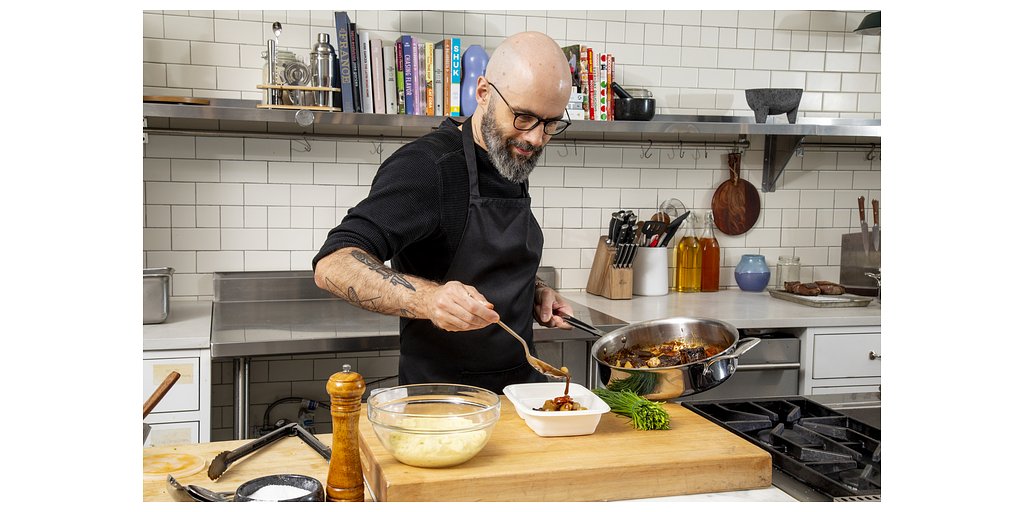
Babish & CookUnity: Serving the Future of the Creator Economy
NEW YORK, NY – June 02, 2026 – For years, millions have watched Andrew Rea, the self-taught chef behind the wildly popular Babish Culinary Universe, meticulously recreate fantastical dishes from pop culture. Now, they can finally taste them. In a landmark partnership, Rea has teamed up with meal delivery platform CookUnity to bring his recipes from the screen to the dinner table, marking the first time his food is available as a ready-to-eat product for his massive fanbase.
This collaboration is far more than a celebrity endorsement; it’s a strategic move that signals a powerful evolution in the creator economy. It provides a new blueprint for how digital influencers can translate audience engagement into tangible, high-quality products while maintaining the authenticity that built their brand. For CookUnity, it’s a validation of a chef-centric business model that could disrupt the competitive $10 billion U.S. meal delivery market. From behind my own dashboard at BriefGlance, I see this as a masterclass in platform logistics and brand extension—a look into the engine room of modern commerce.
A New Blueprint for Creator Commerce
The creator economy, valued at an estimated $250 billion in 2023 and projected to nearly double to $480 billion by 2027, is undergoing a profound transformation. The old model of relying solely on ad revenue and one-off sponsorships is giving way to a more entrepreneurial approach: direct-to-consumer (D2C) product lines. Today, creators are brands, and their most valuable asset is the trust they’ve built with their audience. This partnership is a case study in leveraging that trust.
After years of turning down offers from other meal delivery companies, Rea chose CookUnity for a reason he has repeatedly emphasized: control. “Over the years, I’ve been approached with a lot of ways to turn my food into products, but most of them meant stepping away from cooking myself or compromising on quality,” Rea stated. His decision underscores a critical shift where creators demand to be partners, not just spokespeople. Research shows that 41% of creators now report their own products as their largest revenue source, a testament to this drive for autonomy and brand integrity.
Rea’s previous ventures, including New York Times bestselling cookbooks and a successful cookware line praised for its value and quality, have already proven his audience’s willingness to engage beyond the screen. This new venture is the ultimate fulfillment of his channel's premise. As Rea put it, “Just like the original idea behind my YouTube Channel, I get to take something that’s only ever lived on your screen, and make it real.” This isn't just selling a meal; it's selling a piece of the Babish experience, an opportunity for fans to participate in the culinary world he has so compellingly built.
The Infrastructure Behind the Influence
This kind of authentic creator partnership is only possible with a robust and flexible platform. That’s where CookUnity’s innovative model comes in. Unlike traditional meal kit companies that standardize recipes, the platform operates as a “Kitchen-as-a-Service” (KaaS), providing chefs with the end-to-end infrastructure to scale their craft without sacrificing their vision. As CookUnity CEO Mateo Marietti explained, “Andrew didn’t want to license his name, he wanted to cook. That’s exactly what CookUnity is built for.”
The company's operational backbone is impressive. With a revenue run rate projected to hit $750 million by the end of 2025 and a network of 18 “Collective Kitchens” across the country, it has built the logistics to support high-volume, high-quality production. This decentralized hub-and-spoke model allows for local ingredient sourcing and enables a 92% on-time delivery rate across 47 states. Their in-house technology platform uses predictive analytics to manage everything from menu planning to order fulfillment, minimizing waste and ensuring consistency. This is the engine that allows a creator like Babish to oversee recipe development personally while the platform handles the complexities of scaled production and distribution.
This chef-centric approach is what sets the service apart from competitors like HelloFresh or Factor. By positioning itself as the “Netflix of Food,” where individual chefs are the stars, CookUnity has attracted an elite roster of culinary talent, including Michelin-starred chefs and James Beard Award winners. The addition of a top-tier digital creator like Babish is a powerful signal. “Babish choosing CookUnity is a strong signal that this model works for a new generation of creators who want to go beyond content and build something tangible with their audience,” Marietti added.
From Viral Videos to Your Dinner Table
For the millions of subscribers to the Babish Culinary Universe, this partnership bridges the final gap between inspiration and consumption. The debut menu is a masterstroke of fan service, featuring dishes immortalized in some of his most popular videos. Fans can now order his General Tso’s Chicken (from a video with over 6.5 million views) or his comforting Pot Roast (2.6 million views) and have it delivered to their door.
The menu is rounded out with original creations like Spicy Chili-Garlic Noodles and Fried Chicken with Smoky Collard Greens Mac & Cheese. Meals are priced at $15.99 for a la carte orders from the Babish storefront, with lower per-meal costs available through CookUnity’s subscription plans. This positions the offering in the premium segment of the market, a price point that existing customers feel is justified by the restaurant-level quality. Initial availability is on the East Coast, with plans for a nationwide rollout already in motion.
By acquiring flavrs and expanding its in-app video programs, CookUnity is doubling down on this content-to-consumption flywheel. The platform isn't just delivering food; it's delivering an experience curated by the culinary voices people trust and admire. For Babish and his followers, the line between viewer and diner has officially been erased.