
- 30% reduction in shipping costs for an Arizona apparel brand after outsourcing fulfillment.
- Next-day ground delivery possible from Tucson to Southern California, Nevada, and New Mexico.
- 110°F+ summer temperatures in Arizona require climate-controlled warehousing to prevent product damage.
Experts agree that strategic fulfillment location and distributed logistics networks are critical for eCommerce success in Arizona's challenging geographic and climatic conditions.
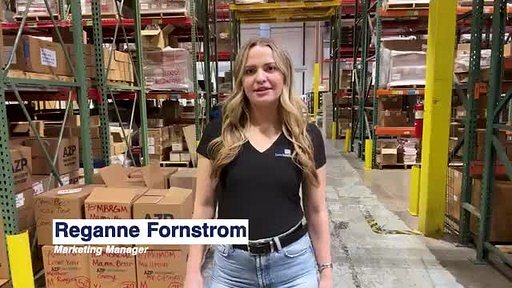
Arizona's eCommerce Edge: Mastering Logistics in the American Southwest
PHOENIX, AZ – June 15, 2026 – In the sprawling digital marketplace, the final frontier is often the physical one: the last mile to the customer’s doorstep. For Arizona’s burgeoning eCommerce sector, this frontier is defined by vast distances, a demanding climate, and ever-increasing consumer expectations for speed. A growing consensus among logistics experts suggests that the key to conquering this challenge lies not in faster trucks or bigger warehouses, but in smarter ones. A recent analysis featured by the media platform HelloNation, highlighting insights from Tucson-based Custom BackOffice Solutions, underscores a pivotal shift in strategy: winning at eCommerce in the Southwest requires mastering the art of fulfillment location.
For years, the standard playbook for many online retailers involved a single, centralized warehouse. The logic was simple: consolidate inventory, streamline operations, and ship everywhere from one hub. But as competition intensifies and two-day shipping becomes the baseline, that model is revealing its limitations. For an Arizona brand, shipping from a lone Phoenix warehouse to a customer in Tucson is one thing; reaching Flagstaff, Yuma, or neighboring states like California and New Mexico efficiently is another challenge entirely. The result is often a painful choice between absorbing high shipping costs or passing them on to customers, risking cart abandonment.
The Geographic Imperative: Why Location is the New eCommerce Lynchpin
The fundamental principle of strategic fulfillment is to close the distance between product and purchaser. "Inventory placement plays a larger role in cost control and shipping timelines than many business owners realize," notes Jean Reehl, founder of Custom BackOffice Solutions and a veteran of the fulfillment industry since 1994. The strategy involves a deep analysis of order history and customer geography to position inventory in locations that align with demand. By doing so, businesses can dramatically reduce the shipping zones their packages must cross, leading to significant cost savings and faster delivery times.
Arizona's geography makes it a prime case study for this approach. The state serves as a critical logistics crossroads, with major arteries like Interstate 10 connecting the ports of Southern California to the rest of the country, and Interstate 19 providing a direct corridor to Mexico. An eCommerce business in Tucson, for example, is uniquely positioned to offer next-day ground delivery not only to Phoenix but also to lucrative markets across Southern California, Nevada, and New Mexico. By placing inventory in a Tucson fulfillment center, a brand can transform a costly Zone 5 or 6 shipment into an inexpensive Zone 2 delivery.
This geographic advantage, however, is coupled with unique environmental challenges. The state's extreme summer heat, with temperatures regularly soaring above 110°F, can damage sensitive products from cosmetics and food to electronics. A knowledgeable fulfillment partner becomes critical in this context, providing climate-controlled warehousing and specialized packaging to protect inventory from temperature-related spoilage and returns. "You can have the best product in the world, but if it arrives melted or damaged, you've lost a customer," stated one Arizona-based logistics consultant. "That's a risk you can't afford to ignore in this market."
Beyond Centralization: The Rise of Distributed Logistics
The move toward strategic fulfillment is part of a broader industry trend away from centralization and toward a distributed inventory model. Instead of relying on a single massive facility, companies are spreading their stock across a network of smaller, regional warehouses. This decentralized approach offers a powerful combination of resilience and agility.
As order volumes grow, a single warehouse can quickly become a bottleneck, leading to processing delays, missed carrier pickups, and an inability to cope with seasonal demand spikes. A distributed network, by contrast, allows for greater flexibility. Orders can be automatically routed to the fulfillment center closest to the customer, ensuring optimal speed and cost. This system also builds redundancy into the supply chain; if one facility is impacted by a weather event or a local carrier disruption, others can pick up the slack, preventing a total shutdown of operations.
According to industry analysts, the global eCommerce logistics market is rapidly expanding, with significant investment flowing into automation, AI-powered route optimization, and regional fulfillment centers. This evolution is a direct response to consumer behavior. "The expectation for near-instant delivery is no longer a perk; it's a core part of the customer experience," an industry report noted earlier this year. For small and medium-sized businesses, competing with giants like Amazon on logistics is impossible without adopting these more sophisticated, localized strategies.
The Partner Advantage: Navigating Arizona's Unique Terrain
Successfully implementing a distributed fulfillment strategy requires more than just leasing warehouse space. It demands deep expertise in supply chain management, data analytics, and the specific nuances of a regional market. This complexity is why many Arizona brands are turning to third-party logistics (3PL) providers like Custom BackOffice Solutions, who specialize in the local landscape.
These partners offer the infrastructure and technology to manage complex inventory systems, but their true value often lies in their specialized knowledge. They understand the optimal carrier routes, the cutoff times for regional hubs, and the regulatory requirements for cross-border shipping into Mexico—a significant growth opportunity for many Arizona businesses. They can help a brand analyze its sales data to determine whether a single fulfillment center in Phoenix or a dual-location setup in Phoenix and Tucson would be more effective.
"We were trying to manage fulfillment in-house from our office, and it was a disaster," confessed the owner of a successful online apparel brand based in Scottsdale. "We were spending more time packing boxes and dealing with shipping issues than we were on growing the business. Outsourcing to a local expert not only cut our shipping costs by nearly 30% but also freed us up to focus on marketing and product development." This sentiment reflects a growing recognition that logistics is a specialized function best handled by dedicated experts.
By leveraging strategic fulfillment, Arizona’s eCommerce businesses are not just solving a shipping problem; they are building a durable competitive advantage. Aligning inventory with customer demand transforms logistics from a cost center into a strategic asset that drives customer satisfaction, supports scalability, and ultimately strengthens the bottom line in a highly competitive market.