
- $6 billion: The global value of the anti-infective and oncology markets targeted by the partnership.
- 12 months at +45°C: The duration Stablepharma's Td vaccine remained potent in extreme heat.
- 70% of vaccine program costs: The portion attributed to cold chain logistics in developed nations.
Experts view this partnership as a significant step toward improving global health equity by eliminating cold chain dependencies, reducing waste, and lowering costs, while also aligning with environmental sustainability goals.
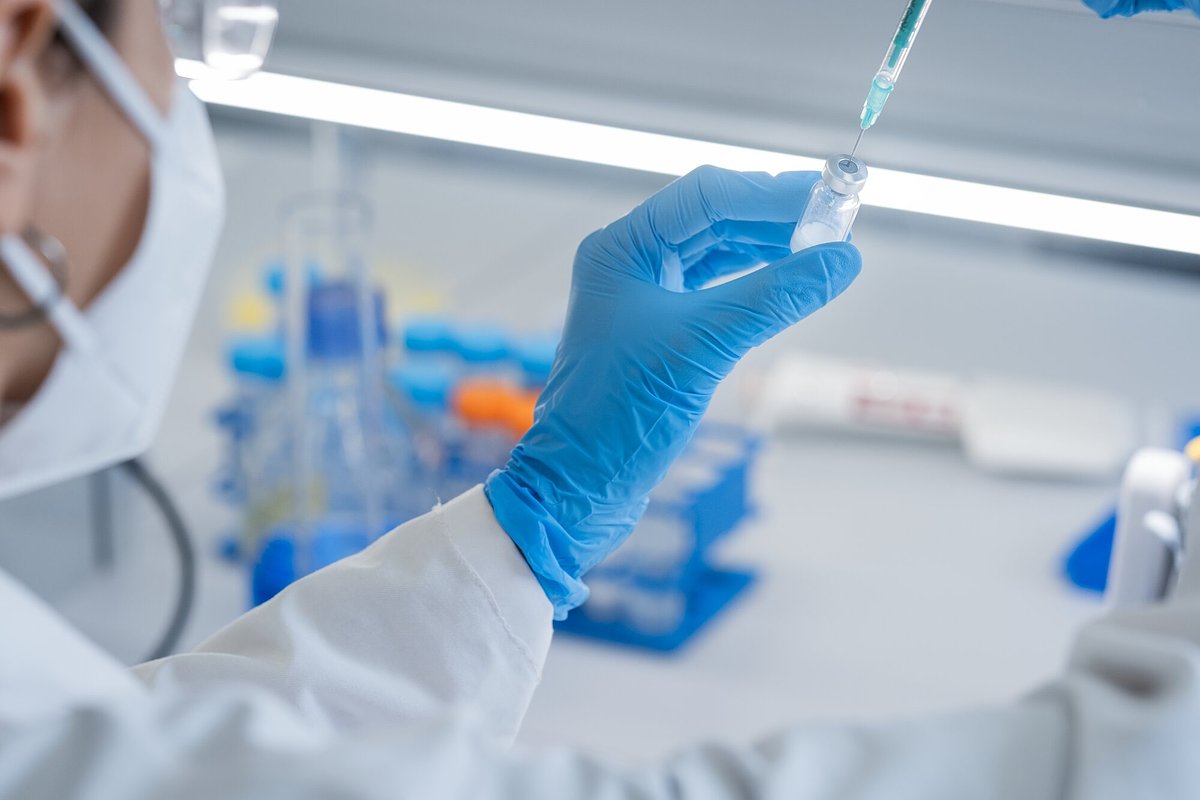
A $6B Bet to Break the Cold Chain: Pharma Giants Target Fridge-Free Drugs
LONDON, Jan. 15, 2026 – A landmark partnership announced today aims to dismantle one of the most significant barriers in global medicine: the cold chain. UK-based biotech Stablepharma Limited and New Zealand multinational AFT Pharmaceuticals are joining forces to develop fridge-free versions of critical injectable drugs, initially targeting the anti-infective and oncology markets, which together represent a global value of over USD 6 billion.
This development and option-to-license agreement will see Stablepharma apply its innovative thermostable technology to a portfolio of sterile injectable medicines that currently depend on constant refrigeration. The move signals a major strategic pivot for both companies and reflects a growing industry-wide push towards creating more resilient, accessible, and sustainable pharmaceutical supply chains.
The End of the Cold Chain? A Technological Leap
At the heart of the collaboration is Stablepharma's proprietary StablevaX™ technology, a patented platform designed to render temperature-sensitive medicines stable at 40°C and above. Inspired by the natural survival mechanisms of the “Resurrection plant,” which uses a sugar called trehalose to endure extreme dehydration, the technology reformulates liquid biologics into a solid, inert state.
The process involves infusing a drug into a medical-grade sponge matrix housed within a pre-filled syringe. The trehalose forms a protective, soluble glass around the active molecules, shielding them from thermal damage. For administration, a healthcare worker simply aspirates water into the syringe, instantly re-solubilizing the dose, and then depresses the plunger to expel the medication. This eliminates the need for refrigeration or freezing at any point—from manufacture and distribution to the final moment of patient care.
This technology is not merely theoretical. Stablepharma has already achieved significant milestones with its Tetanus/Diphtheria (Td) vaccine candidate, SPVX02. Rigorous studies have demonstrated that the reformulated vaccine remains fully potent after being stored for 12 months at a sustained temperature of +45°C. It has also withstood extreme temperature cycles from -20°C to +40°C, conditions that would destroy its conventional counterparts. These results meet and exceed the World Health Organization (WHO) stability guidelines for fridge-free products. Following this success, the Td vaccine entered Phase 1 clinical trials in the UK in April 2025, a crucial step validated by the UK's Medicines and Healthcare products Regulatory Agency (MHRA).
The agreement with AFT Pharmaceuticals marks the first major expansion of this proven technology beyond vaccines, applying it to complex sterile injectables used in treating cancer and severe infections.
A Strategic Alliance Targeting a Multi-Billion Dollar Market
For AFT Pharmaceuticals, a publicly traded company with an ambitious growth strategy, this partnership represents a significant strategic investment. The company, which develops and distributes a broad portfolio of medicines, has set a revenue target of $300 million for the 2027 fiscal year and sees this collaboration as a key engine for future growth.
“AFT and Stablepharma are fully aligned in our visions to improve healthcare and make a real difference to people’s lives, no matter where they live in the world,” said Hartley Atkinson, Founder and Managing Director of AFT Pharmaceuticals. “AFT is committed to investing in innovation and R&D - that is why our partnership with Stablepharma is such a ‘good fit’ for the future of healthcare.”
The deal structure allows Stablepharma to receive milestone payments and future royalty revenues upon the successful commercialization of the developed products. The initial two product development programs are slated to begin before the end of AFT's 2026 fiscal year, signaling a rapid move to capitalize on the opportunity. By leveraging Stablepharma's technology, AFT gains a powerful competitive advantage in a market where logistical complexity and cost remain major hurdles.
“We are delighted to have partnered with AFT Pharmaceuticals – a partnership based on mutual strategic innovation, expanded global access and public health outcomes,” stated Özgür Tuncer, CEO & Executive Director of Stablepharma. “This agreement also offers an opportunity for both companies to broaden their portfolio of thermostable products, including sterile injectables including highly critical anti-infective and oncology therapeutic areas.”
Bridging the Gap in Global Health Equity
The implications of this partnership extend far beyond corporate strategy and market share. The creation of thermostable essential medicines directly addresses profound inequities in global health. The cold chain, the unbroken series of refrigerated environments required to transport and store many modern medicines, is a lifeline that is often fragile or non-existent in remote and low-resource regions.
The WHO estimates that over 50% of vaccines are wasted globally each year, with a significant portion of that loss attributed to failures in the cold chain. For temperature-sensitive oncology and anti-infective drugs, the challenges are similar, meaning patients in underserved areas are often denied access to life-saving treatments. Fridge-free injectables could drastically reduce this waste and ensure that medicines reach the last mile, regardless of infrastructure.
Furthermore, the economic benefits are substantial. Logistics and cold chain management can account for up to 70% of a vaccine program's total cost in developed nations, a figure that is often prohibitive for lower-income countries. By eliminating these costs, healthcare systems can reallocate funds to other critical needs. This innovation directly answers long-standing calls from global health organizations like Gavi, UNICEF, and Doctors Without Borders for more practical and deployable medical solutions.
A Greener Future for Pharmaceuticals
Beyond the immediate benefits to patients, the move away from the cold chain represents a significant step toward a more environmentally sustainable pharmaceutical industry. Refrigeration is an energy-intensive process with a considerable carbon footprint. By creating products that are stable at ambient temperatures, the partnership promises to reduce CO₂ emissions associated with medical logistics, aligning healthcare innovation with global climate goals.
The path to market will still require navigating a complex regulatory landscape. Each reformulated drug will need to undergo clinical trials to demonstrate that it is as safe and effective as its cold-chain-dependent predecessor. However, Stablepharma’s successful progression to clinical trials with its Td vaccine provides a promising roadmap for future products developed under the AFT partnership.
This collaboration is more than just a business deal; it is a potential paradigm shift. It envisions a future where access to essential medicines is not dictated by geography or infrastructure, where healthcare is more resilient in the face of public health crises, and where the delivery of care does not come at a high cost to the planet.