
- Market Size: The global computer case market was valued at $6.42 billion in 2024 and is projected to grow to $9.63 billion by 2031.
- Regional Focus: The Asia Pacific region accounted for over 38% of global revenue in 2023, making it the world's largest market for PC components.
- Case Specifications: The ALLOY supports graphics cards up to 412mm in length and up to 10 case fans, with support for 360mm AIO liquid cooler radiators.
Experts would likely conclude that ZOTAC's entry into the PC case market with the ALLOY is a strategic move to expand its ecosystem, leveraging its brand recognition and engineering expertise to compete in a crowded but growing sector, particularly in the Asia Pacific region.
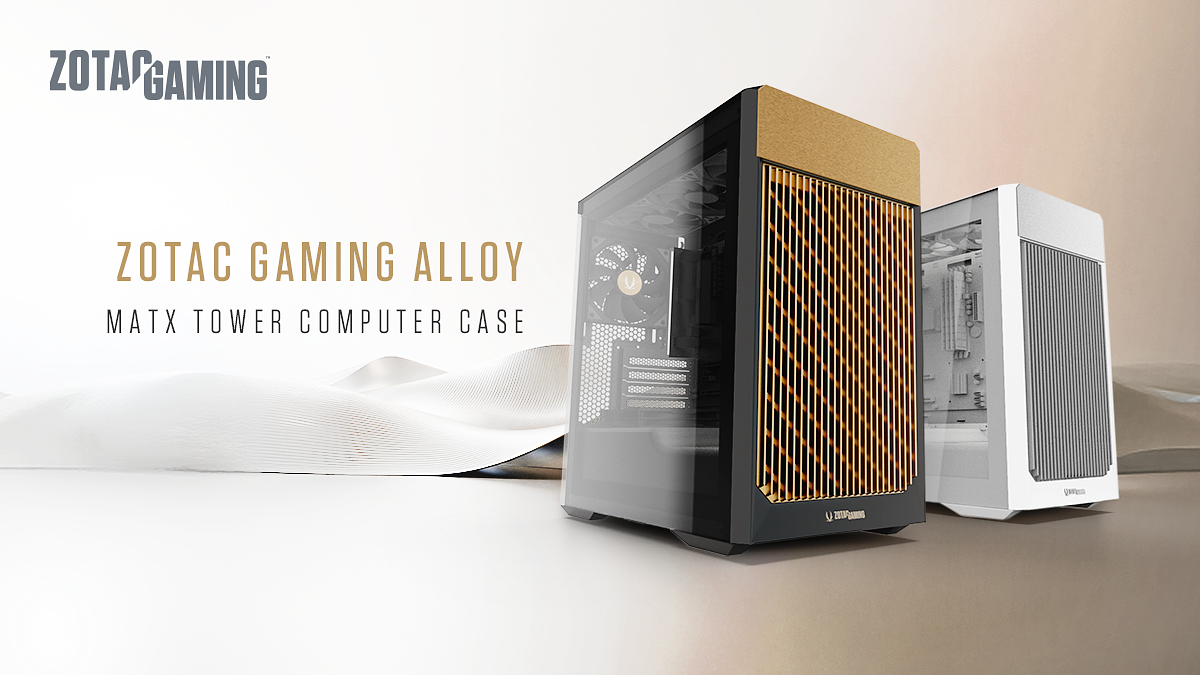
ZOTAC Enters PC Case Arena with High-Airflow ALLOY mATX Case
SINGAPORE – February 05, 2026 – ZOTAC GAMING, a global heavyweight in the graphics card and mini-PC space, today announced a significant expansion of its product portfolio with the launch of its first-ever computer case, the ZOTAC GAMING ALLOY. The new Micro-ATX (mATX) case is making its debut in select Asia Pacific regions, marking a strategic entry into the fiercely competitive DIY PC component market. The move signals a clear ambition to build a more comprehensive hardware ecosystem under the ZOTAC GAMING brand.
The ALLOY case is engineered for DIY enthusiasts who favor compact builds without compromising on power or cooling. It aims to deliver a blend of high-airflow design, broad component compatibility, and a distinct aesthetic that aligns with the company's existing line of gaming graphics cards.
A Strategic Diversification into a Crowded Market
ZOTAC's foray into the PC case market is a calculated move into a thriving, yet challenging, sector. The global computer case market was valued at approximately $6.42 billion in 2024 and is projected to grow to $9.63 billion by 2031, fueled by the enduring popularity of PC gaming, esports, and content creation. This growth is particularly pronounced in the Asia Pacific region, which accounted for over 38% of global revenue in 2023, making it the world's largest market for PC components.
By launching the ALLOY, ZOTAC GAMING is stepping onto a stage occupied by established and beloved brands like Lian Li, Fractal Design, Cooler Master, and NZXT. These companies have built loyal followings through years of innovation in design, materials, and thermal performance. To succeed, ZOTAC must convince discerning PC builders that its first offering is more than just a box with a logo; it must be a compelling choice on its own merits.
The strategy appears to be one of ecosystem integration. The press release highlights that the ALLOY features a "geometric design" that is "in-line with the appearance of ZOTAC GAMING Graphics Cards." This suggests a desire to offer enthusiasts the ability to build a PC with a cohesive, brand-consistent look, a strategy that has proven successful for competitors like ASUS with its ROG line.
Unpacking the ALLOY: A Focus on Compact Performance
At its core, the ZOTAC GAMING ALLOY is designed to address the growing demand for small form factor (SFF) builds that can house flagship-tier components. The mATX form factor strikes a balance, offering a smaller footprint than traditional mid-towers while providing more flexibility and cooling potential than ultra-compact Mini-ITX cases.
The case's feature set shows a keen awareness of current builder priorities. It boasts extensive compatibility, with support for graphics cards up to a massive 412mm in length, accommodating even the largest top-tier GPUs on the market. For cooling, the ALLOY is exceptionally versatile, with mounting points for up to 10 case fans and support for All-in-One (AIO) liquid cooler radiators up to 360mm. This focus on thermal management is critical for taming the heat generated by modern high-end CPUs and GPUs.
ZOTAC has also emphasized ease of use and maintenance. The case features quick-detachable panels on all sides and a simple push-to-remove front dust filter, streamlining the building and cleaning process. Modern connectivity is addressed with a front I/O panel that includes a 10Gbps USB Type-C port and a 5Gbps USB Type-A port. Select models will ship with three 120mm PWM fans, some featuring vibration dampening pads, offering solid out-of-the-box cooling performance and quieter operation.
These features place the ALLOY in direct competition with popular airflow-focused mATX cases from other brands, which similarly offer extensive radiator support and generous GPU clearance. The success of the ALLOY will depend on its performance, build quality, and, crucially, its price point, which has not yet been announced.
The 'APAC First' Gambit: A Calculated Regional Rollout
The decision to launch the ALLOY exclusively in select Asia Pacific markets initially is a telling strategic choice. Rather than a tentative test, this is a direct engagement with the most significant and dynamic PC hardware market in the world. With a massive base of gamers, enthusiasts, and a thriving esports scene, the APAC region represents a critical battleground for any hardware manufacturer.
By focusing on APAC first, ZOTAC can leverage its existing distribution networks and brand recognition in the region to build momentum. This localized approach allows the company to gauge market reception, refine its supply chain, and potentially adjust its strategy before a wider global rollout. For enthusiasts in North America and Europe, this means a period of waiting and watching as reviews and user experiences emerge from the initial launch regions.
The ALLOY will be available in four initial models: a Black/Gold and a White/Silver colorway, each offered with or without a set of three pre-installed fans. This provides builders with flexibility based on their budget and preference for using their own custom cooling solutions.
Ultimately, the launch of the ZOTAC GAMING ALLOY is more than just a new product release; it's a declaration of intent. The company is leveraging its engineering expertise and established design language to expand its territory, aiming to become a more integral part of the gaming PCs that its graphics cards already power. The enthusiast community will be watching closely to see if ZOTAC's first case can build a foundation strong enough to compete in this demanding market.