
- 25,000-square-foot retail space opening in Toronto, featuring a 25-foot inflatable bear mascot, Zeddy.
- First standalone location in Edmonton exceeded sales expectations, validating the small-format model.
- National expansion planned, with a second Ontario store opening in Windsor by July 2026.
Experts would likely conclude that Zellers' strategic blend of nostalgia and modern retail tactics shows early promise, but long-term success hinges on sustained customer loyalty and competitive pricing in a challenging market.
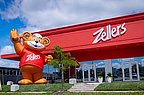
Zellers' Nostalgia Gambit: Is a 25-Foot Bear a Real Growth Signal?
TORONTO, ON – June 16, 2026 – Outside a new 25,000-square-foot retail space on Orfus Road, a 25-foot inflatable bear has become an unlikely but potent business signal. The arrival of Zeddy, the beloved mascot of Zellers, ahead of the brand’s new Toronto store opening on June 18, is more than just a photo opportunity. It’s the most visible element of a carefully orchestrated comeback strategy, dubbed 'Zellers 3.0,' that is betting heavily on an asset few competitors can replicate: a multi-generational reservoir of Canadian nostalgia.
Following its acquisition from Hudson’s Bay Company in August 2025 by Quebec-based retailer Les Ailes de la Mode Inc., Zellers is being methodically resurrected. The new strategy, however, is not a simple rehash of the past. It’s a calculated attempt to fuse fond memories with a modern, small-format retail model. As the iconic brand expands into Ontario, the key question for analysts and investors is whether a business built on yesterday's sentiment can generate sustainable growth in tomorrow's hyper-competitive market.
Weaponizing Memory: The Nostalgia Playbook
The strategy for the Toronto opening is a masterclass in experiential retail powered by nostalgia. The company is rolling out the 'Zellers Diner on Wheels,' a food truck serving up comfort-food classics like the Big Z Burger and Hot Gravy Chicken Sandwich, directly answering years of customer pleas for the return of its famous in-store restaurant. The reintroduction of kiddie rides, a staple of 1980s Zellers stores, further deepens this emotional connection. These aren't just marketing stunts; they are tangible signals that the new ownership is listening intently to its former customer base.
"We're seeing people reconnect with memories from their childhood while introducing a whole new generation to the brand," said Joey Benitah, Chief Operating Officer of Zellers. "Whether it's the diner on wheels, the kiddie rides, or Zeddy himself, we want every visit to feel joyful, nostalgic, and full of surprises."
This approach aims to transform a shopping trip from a transaction into an event. By offering free 'Ice Pops,' collectible keychains, and the larger-than-life Zeddy, the brand is creating shareable moments that extend its marketing reach organically across social media. In an era where e-commerce offers limitless choice and convenience, Zellers is betting that a curated experience steeped in positive emotion can be a powerful differentiator and a compelling reason to visit a physical store.
Zellers 3.0: A New Blueprint for the Department Store?
Beneath the warm-and-fuzzy surface of Zeddy and the diner, the 'Zellers 3.0' business model is a pragmatic response to the failures of its past. The sprawling, unfocused department stores of the 1990s are gone. In their place are agile, small-format locations, typically 20,000 to 50,000 square feet, designed for a more intimate and less overwhelming shopping experience.
The success of the first standalone location in Edmonton’s Londonderry Mall, which opened in October 2025 and reportedly exceeded all sales expectations, serves as a crucial proof of concept. It demonstrated that the model—blending curated assortments, value pricing, and nostalgic branding—could not only draw crowds but sustain sales performance. The product mix itself is a key signal of this new strategy, combining affordable private-label goods with recognized brands like Adidas, Dickies, Rachel Roy, and Tahari, aiming to create a 'discovery-driven' environment.
This model also shows a critical capacity for adaptation. After initially planning to have a limited toy selection due to fierce competition, the retailer expanded the department after seeing unexpectedly strong sales in Edmonton. This flexibility—a trait often absent in legacy department stores—suggests a leadership team that is data-driven and responsive, key indicators of potential long-term health.
Mapping the Expansion: From Edmonton to a Coast-to-Coast Vision
The Toronto opening is not an isolated event but the next phase of a deliberate national expansion. With a second Ontario store slated for Windsor's Tecumseh Mall in July 2026, the company is systematically building its presence in key markets. The backing of Les Ailes de la Mode Inc., a part of the Benitah family's retail portfolio that includes chains like Fairweather and International Clothiers, provides both the capital and the deep industry expertise necessary for such a revival.
By starting with a successful pilot in Edmonton and then moving into the crucial Ontario market, the new owners are following a prudent growth trajectory. They are testing and refining the model before committing to a full-scale, and costly, national rollout. Company leadership has expressed a clear ambition to be in "every major market from coast to coast," and is actively in discussions with landlords across Canada. The fact that a revived national brand is signing new leases is a vote of confidence not only in its own strategy but in the viability of brick-and-mortar retail in a post-pandemic landscape.
The Challenge of Tomorrow: Beyond Fond Memories
The primary growth signal from Zellers is its unique ability to leverage a powerful emotional connection with Canadian consumers. However, the long-term challenge is converting that initial nostalgic curiosity into sustained loyalty. The retail landscape is unforgiving, dominated by the pricing power of Walmart, the logistical might of Amazon, and the deep-discount appeal of dollar stores. The 'everyday value' promise is central to the Zellers brand, and its ability to deliver on that promise will depend entirely on shrewd product sourcing and an efficient supply chain.
The ultimate test for Zellers 3.0 will be its ability to resonate with shoppers who have no memory of the original. While their parents may visit for a taste of the past, a new generation of consumers will judge the store on its own merits: price, product selection, and overall experience. The initial signals are strong, indicating a well-capitalized and strategically sound revival. But the journey from a beloved memory to a durable modern retailer has only just begun.