
- 200+ partner organizations supported by Minus33's SAR program
- 30% of its weight in moisture absorbed by merino wool while retaining insulating value
- 11.3 million tons of textiles ended up in U.S. landfills in 2018
Experts would likely conclude that Minus33's initiative sets a new standard for corporate responsibility by combining sustainability with life-saving applications, demonstrating how circular economy practices can address both environmental and public safety needs.
Your Old Sweater’s New Mission: Saving Lives in the Backcountry
ASHLAND, NH – May 27, 2026 – A gently used merino wool shirt hanging in the back of a closet may seem destined for the donation bin or, worse, a landfill. But a family-owned New Hampshire company is offering that garment a new, more urgent purpose: saving a life. Minus33, an apparel brand with a century-old heritage in textile engineering, has announced a major expansion of its Search & Rescue (SAR) support program. The company will now accept and repurpose merino wool base layers from any brand, transforming discarded apparel into critical patient warming kits for first responders across the country.
This initiative tackles two pressing issues simultaneously: the staggering amount of textile waste generated by the apparel industry and the vital need for specialized equipment for volunteers and professionals who conduct rescues in treacherous wilderness conditions. By opening its program to all brands, Minus33 is not just scaling its philanthropic efforts but also setting a new standard for corporate responsibility and circularity in the competitive outdoor market.
From Back of the Closet to Backcountry Rescue
The Minus33 SAR program was born from a stark reality discovered in 2017: local search and rescue volunteers were stripping off their own personal layers in the field to keep injured and hypothermic patients warm during emergencies. Recognizing a critical gap, the company began assembling and distributing complete, head-to-toe merino wool warming kits at no cost to qualified SAR organizations.
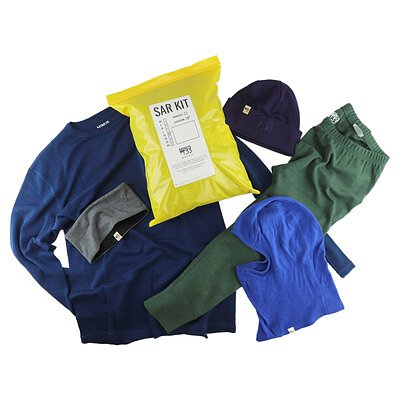
Today, the program supports over 200 partner organizations, from mountain rescue teams in the Rockies to state fish and wildlife agencies in New England. With the recent expansion, the process for public participation is streamlined. U.S. consumers can request a free shipping label to send in any clean base layer containing at least 50% merino wool. Upon arrival at Minus33's facility in Ashland, each garment is meticulously inspected, professionally cleaned, and patched if necessary. These refurbished items—along with factory seconds and quality-tested returns—are then assembled into comprehensive kits that typically include a long-sleeve top, bottoms, socks, gloves, and headwear.
"A hundred years of working with wool teaches you one thing: wool is always reliable & dependable in the outdoors, just like our dedicated first responders," said Lawson Glidden, president of Minus33. "Expanding this initiative to any merino base layer that meets our standards is the most direct way to put our expertise to work to keep others safe in the backcountry." As an incentive, donors receive a 25% discount toward their next Minus33 purchase, creating a cycle of support. Garments that are too damaged for repurposing are not discarded; they are sent to be recycled, ensuring no usable fiber goes to waste.
The Critical Role of Wool in the Golden Hour
For SAR teams, the window between locating a patient and delivering them to definitive medical care is fraught with peril, chief among them the threat of hypothermia. A drop in core body temperature can be catastrophic, and wet clothing accelerates heat loss dramatically. This is where the unique properties of merino wool become a matter of life and death.
Unlike cotton, which loses all insulating value when wet, and many synthetics that can feel clammy, merino wool can absorb up to 30% of its weight in moisture while remaining an effective insulator. Its fibers have a natural crimp that creates tiny air pockets, trapping body heat even in damp conditions. Furthermore, merino wool is exceptionally breathable, wicking moisture away from the skin to prevent the dangerous "after-chill" that can occur when exertion stops. This thermoregulating ability helps stabilize a patient's temperature during the critical and often prolonged period of evacuation.
"Every SAR kit gives us a better chance of bringing someone home alive," expressed Jaime Bernard, president of Pemigewasset SAR from Northwestern, N.H. "Merino wool helps prevent hypothermia in rescued individuals during life-threatening conditions. We're thankful to Minus33 for their generous kit donations and for expanding this program." By providing dedicated patient kits, the program ensures that rescuers can keep their own layers on, maintaining their own safety and effectiveness during a mission.
Weaving a New Standard for Corporate Responsibility
In an outdoor industry increasingly focused on sustainability, many brands have launched take-back or recycling programs. Patagonia’s “Worn Wear” and Arc’teryx’s “ReBird” initiatives are robust, brand-specific circularity platforms. Smartwool’s “Second Cut Project” pioneered a brand-agnostic model, but one focused specifically on socks. Minus33's decision to accept base layers from any competitor and channel them directly into a life-saving social cause carves out a unique and impactful niche.
This brand-agnostic approach challenges the traditional, walled-garden view of corporate philanthropy and positions the company as a leader in collaborative problem-solving. It acknowledges that the collective pool of used merino garments—regardless of the logo they bear—is a valuable resource that can be harnessed for the public good. This move sets a new precedent, suggesting that true corporate social responsibility can transcend brand loyalty to address universal needs within the communities these brands serve.
Closing the Loop on Textile Waste
The environmental implications of this program extend far beyond the backcountry. The textile industry is a major contributor to landfill waste, with an estimated 11.3 million tons of textiles ending up in U.S. landfills in 2018 alone. Synthetic fibers, derived from petroleum, can persist for centuries and are a primary source of microplastic pollution in oceans and waterways.
Merino wool, in contrast, is a natural, renewable, and biodegradable fiber. By extending the life of these garments through a high-value second use, Minus33 is actively diverting waste from landfills and promoting a circular economy. The company’s commitment is further reflected in its own operations, which include sourcing Responsible Wool Standard (RWS) certified, mulesing-free wool and achieving OEKO-TEX® STANDARD 100 certification, ensuring its products are free from harmful substances. By making it convenient for consumers to participate through free shipping and transparently demonstrating the life-saving impact of their donation, Minus33 is effectively mobilizing the outdoor community to become active participants in a more sustainable and compassionate apparel ecosystem.