
- $85–$350: Cost of a professional tune-up, a fraction of the $800–$2,700 price tag for an engine rebuild due to neglect. - 15–20 years: Lifespan of a well-maintained mower, compared to half that time for a neglected one. - March 1–7, 2026: Toro's Lawn Mower Maintenance Week, promoting engine health checks.
Experts agree that proactive maintenance, particularly addressing friction and heat, is critical to preventing costly lawn mower engine failures and extending equipment lifespan.
Your Mower's Silent Killers: Toro's New Guide to Beat Engine Failure
BLOOMINGTON, MN – February 23, 2026 – As homeowners and landscape professionals look toward the first green shoots of spring, the familiar roar of a lawn mower is not far behind. But for many, that first pull of the starter cord ends in frustrating silence. To combat this perennial problem, outdoor equipment giant Toro is launching its annual Lawn Mower Maintenance Week, March 1–7, with a sharp new focus on what it calls the two biggest threats to engine longevity: friction and heat.
This year, the company is introducing a new “Mower Engine Health Checklist,” a five-point guide designed to function like an annual physical for your machine. The initiative aims to shift the conversation from basic tune-ups to a deeper understanding of engine preservation, preventing the mid-season breakdowns that plague mower operators.
“Heat is the silent killer of outdoor power equipment,” says Wes Bollingmo, channel and product support manager at Toro. “Think of your mower like your own body. It needs to breathe to keep moving. Clear airflow keeps it cool, clean surfaces help shed heat and fresh oil reduces internal stress. If any of those are blocked, heat can build up and that's when failures happen.”
The Anatomy of a Breakdown
While many operators are familiar with issues like stale fuel or a dead battery, Toro’s focus on friction and heat targets the more insidious, and often more destructive, culprits of engine failure. Industry-wide data and mechanic reports consistently show that problems stemming from poor lubrication and overheating are among the most common and costly repairs.
Friction, the force that resists motion between the engine's internal components, is enemy number one. Without a constant supply of clean, high-quality oil, metal parts like the piston and crankshaft grind against each other, generating intense heat and leading to premature wear. This is why a simple oil check is more than just a routine task; it's a critical diagnostic.
Heat, the direct byproduct of friction and combustion, is the second silent killer. An engine is designed to manage heat, but when its cooling mechanisms are compromised, temperatures can quickly rise to catastrophic levels. A clogged air filter, for example, forces the engine to work harder while simultaneously trapping heat like a thermal blanket. Similarly, caked-on grass clippings under the mower deck can disrupt airflow and insulate the engine, leading to overheating and a significant drop in performance.
Neglecting these factors can turn a reliable machine into a costly paperweight. Minor preventative measures can avert major disasters, a fact that forms the foundation of Toro's new checklist.
A Proactive Prescription: The Annual Mower Check-up
Toro's Mower Engine Health Checklist provides a simple, actionable framework for both homeowners and professionals. By framing it as an annual physical, the company encourages users to go beyond just sharpening the blades.
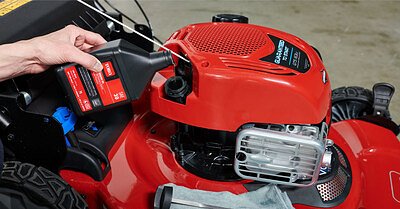
Check Your Vitals: Oil Quality and Level. Fresh oil is the lifeblood of the engine. It not only lubricates but also carries heat away from critical components. Low or degraded oil fails to do this job, allowing heat to concentrate around the piston and dramatically increasing the risk of seizure or other catastrophic failures.
Breathe In: Replace the Air Filter. A clean air filter is essential for the engine to breathe. A clogged filter restricts the intake of cool air, leading to an improper fuel-to-air mixture, reduced power, and a rapid build-up of damaging heat. Experts recommend annual replacement, or more often in dusty conditions.
Breathe Out: Clear the Mower Deck. A clean deck is about more than just aesthetics or cut quality. Caked-on grass clippings force the engine and blades to work harder, generating excess heat and strain. Scraping the deck clean allows for proper airflow and a more efficient, cooler-running operation.
Stress Test: Inspect Blades. Dull or unbalanced blades do more than just tear grass; they create intense vibration. This vibration puts stress on the entire machine, from the engine crankshaft to the mower frame, generating unnecessary heat and leading to component failure over time.
Posture Check: Air Up the Tires. Often overlooked, proper tire pressure is crucial. Low pressure causes the mower to sit unevenly, resulting in a poor cut and forcing the engine to work harder to overcome the increased rolling resistance. This added strain contributes to higher operating temperatures.
The Economics of Elbow Grease
The financial argument for preventative maintenance is compelling. While a professional tune-up might cost between $85 and $350, it's a fraction of the cost of a major repair. An engine rebuild, a common outcome of severe overheating or oil starvation, can easily cost between $800 and $2,700—often more than the value of the mower itself. A well-maintained machine can provide 15 to 20 years of service, whereas a neglected one may fail in less than half that time.
This push for user education is part of a larger industry trend. Major competitors like John Deere, Husqvarna, and Cub Cadet also provide extensive online resources, checklists, and maintenance schedules encouraging proactive care. While Toro’s branded “Lawn Mower Maintenance Week” is a distinct marketing initiative, the core message is universal: a small investment of time and money in the pre-season can save thousands of dollars and countless hours of frustration later.
By following this expert guidance, operators can ensure their equipment is ready to perform reliably when the grass starts growing. Taking an hour this spring to perform these checks can mean the difference between a perfectly manicured lawn and a costly, unexpected trip to the repair shop.