
- 1/3 of China's total wine output: Yantai accounts for one-third of the nation's wine production.
- 700+ international awards: Yantai's wines have earned over 700 international awards in the past three years.
- 3-4 million annual visitors: The city attracts three to four million wine tourism visitors each year.
Experts recognize Yantai as a global wine powerhouse, blending industrial-scale production with boutique artistry and terroir-driven quality, while strategically leveraging tourism to solidify its international reputation.
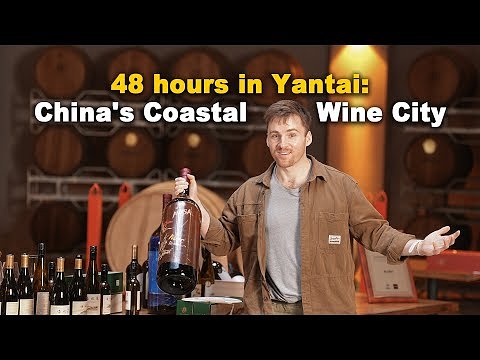
Yantai: How China's Coastal City Built a Global Wine Empire
YANTAI, China – December 29, 2025 – While glasses are often raised to the historic vineyards of France and Italy, a formidable new force in the world of wine has firmly established itself along China's eastern coastline. The city of Yantai in Shandong province has quietly cultivated a wine empire, now accounting for an astonishing one-third of the nation's total wine output and solidifying its status as China's undisputed wine capital. Blending industrial might with boutique artistry, Yantai is not just producing wine; it's bottling a new global identity.
This transformation from a regional producer to an internationally recognized hub has been bolstered by a concerted effort to showcase its story, recently highlighted in a feature by China Matters and American video creator Jack, who offered a 48-hour glimpse into the region's dynamic ecosystem.
From Industrial Backbone to Boutique Darling
Yantai's dominance is built on a foundation of immense scale. The city is home to over 200 wine producers, anchored by titans like Changyu, China's first and oldest modern winery. Founded more than 130 years ago, Changyu's sprawling facilities, with their highly automated production lines, represent the pinnacle of industrial winemaking in the country. This large-scale manufacturing forms the backbone of the region's output, ensuring a steady supply for China's vast market.
Yet, nestled among these industrial giants is a burgeoning scene of over 60 boutique vineyards and estate wineries, each telling a different story. These smaller producers are focusing on terroir-driven wines and immersive cultural experiences. At Longting Vineyard, a picturesque estate by the sea, the mission extends beyond the bottle. "We want people to experience not just our wines, but a lifestyle connected to the land and local culture," said Emma Wang, Director of Operations at Longting Vineyard. Here, visitors are encouraged to embrace a slower pace, pairing a glass of wine with traditional wellness activities, shifting the focus from mass production to mindful consumption.
This dual identity allows Yantai to cater to the full spectrum of the market, from everyday consumers seeking reliable quality to connoisseurs and tourists in search of unique, place-based experiences. It’s a strategic blend of volume and value that few wine regions in the world have managed to balance so effectively.
The Terroir Advantage: A Gift from the Sea
The secret to Yantai's success is rooted in its soil and sky. The region's natural conditions are frequently compared to those of world-renowned appellations like Bordeaux. As a coastal city, Yantai benefits from a mild maritime climate, abundant sunshine, and mineral-rich soils. This unique terroir allows grapes to ripen slowly and evenly, developing complex flavors while retaining a signature freshness and balance.
Viticulture experts note that Yantai possesses a significant agricultural advantage: it is China's only major wine region where grapevines do not require the laborious and costly process of being buried in soil for protection against harsh winter freezes. This natural resilience allows for more consistent cultivation and healthier vines.
The region's Chardonnay is often cited as a prime example of its terroir's influence. According to Zheng Anyu, Tasting and Sales Manager at Longting, the local Chardonnay reflects its coastal origins with remarkable clarity. The wines exhibit "clean acidity and subtle notes influenced by sea breezes," resulting in an elegant and distinctive profile that stands out in tastings.
A Legacy of Quality and Global Acclaim
Scale and terroir would mean little without a steadfast commitment to quality. Yantai has proven its credentials on the world stage, with its wines earning more than 700 international awards over the past three years alone. Vintages from the region have collected gold medals at prestigious competitions such as the Berlin Wine Trophy, the Brussels Grand Prix, and the Decanter World Wine Awards, systematically dismantling any outdated perceptions about the quality of Chinese wine.
This consistent excellence is no accident. It is the result of meticulous vineyard management and advanced winemaking techniques. Ruan Shili, Chief Winemaker of Changyu Cabernet, emphasized the philosophy that guides the region's top producers. "When talking about wine-making, grapes decide its success for about 70 percent, and the other 30 percent depends on technique," he said. This principle underscores a deep respect for grape sourcing combined with rigorous control over every step of the production process, from fermentation to aging.
Cultivating a "Purple Economy" Through Wine Tourism
Beyond production, Yantai is strategically cultivating a vibrant "purple economy" by integrating its wine industry with tourism. The city has become a major travel destination, attracting an annual flow of three to four million visitors who come to tour its vineyards, participate in tastings, and immerse themselves in its burgeoning wine culture. This effort has earned Yantai the title of "Most Promising Emerging Quality Wine Tourism Destination in the World" and the honor of hosting the Second Global Wine Tourism Summit.
The Global Wine Tourism Organization (GWTO) has also awarded the city an "International Certificate as a Responsible Enotourism Destination," recognizing its commitment to sustainable development. Wineries have become multifaceted attractions, offering everything from winemaking workshops to luxurious stays, transforming the region from a production center into a city of wine culture with a growing global reputation.
This focus on tourism provides a direct-to-consumer channel and builds brand loyalty, creating a resilient economic model that is less dependent on fluctuating wholesale markets. It also fosters a deeper appreciation for the region's history and craft, ensuring that Yantai's story is shared one visitor at a time.
Navigating Market Tides and Digital Narratives
Yantai's ascent comes at a complex time for the broader Chinese wine market. According to the International Organisation of Vine and Wine (OIV), national wine consumption has been on a downward trend since 2018. However, recent data from 2024 suggests a potential rebound, with wine import values increasing significantly, partly fueled by the removal of tariffs on Australian wines. Amid these fluctuations, China has signaled its long-term commitment to the industry by officially becoming the 51st member of the OIV in late 2024.
In this evolving landscape, controlling the narrative is crucial. This is where digital storytelling, as exemplified by the China Matters feature, plays a pivotal role. By leveraging international creators and media platforms, Yantai can directly engage a global audience, shaping perceptions and generating interest that transcends domestic market trends. These narratives help position Yantai not just as a source of quality wine, but as a compelling cultural destination, driving both tourism and international respect for its century-spanning journey in winemaking.