
- $1,000: Average annual cost for a child's primary sport in 2024, up 46% since 2019
- $40 billion: Annual U.S. family spending on youth sports, exceeding NFL revenue
- 60%: Parents who report financial stress from sports equipment costs
Experts agree that the rising cost of youth sports is creating a participation gap, with resale programs like Play It Again Sports offering a critical solution to improve accessibility.
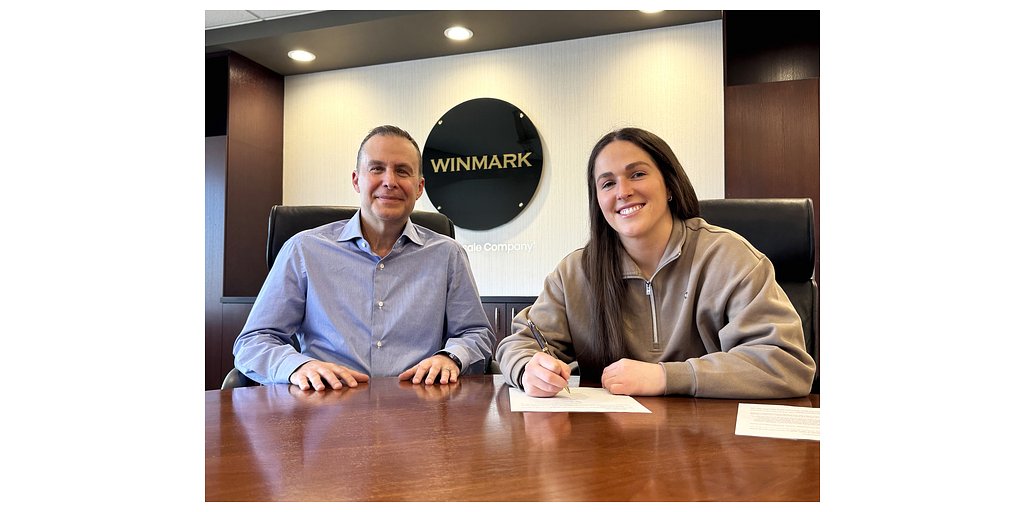
Winmark Tackles the Soaring Price of Play with New Athlete Partners
MINNEAPOLIS, MN – March 26, 2026 – Winmark Corporation, the parent company of resale giant Play It Again Sports, is expanding its roster of athlete ambassadors, adding a new class of talent to its “Part of Their Journey” marketing campaign. The initiative aims to put a national spotlight on a growing crisis in communities across the country: the prohibitive cost of youth sports.
This week, the Minneapolis-based company announced partnerships with PWHL Boston defender Megan Keller, University of Minnesota hockey standout Abbey Murphy, and promising prospect Daxon Rudolph. These athletes, all with deep roots in hockey, join a returning group of ambassadors including professional hockey player Matt Boldy and professional golfer Tom Hoge. The campaign leverages their personal stories to underscore a simple but powerful message—that access to affordable, quality equipment can be the deciding factor in an athlete's career.
A Widening Participation Gap
The backdrop for Winmark’s campaign is a troubling trend in youth athletics. The days of casual, low-cost community sports are fading for many. According to recent industry reports, the average American family spent over $1,000 on their child’s primary sport in 2024, a staggering 46% increase since 2019, far outpacing general inflation. Annually, U.S. families pour more than $40 billion into youth sports, a figure that eclipses the cash flow of the entire NFL.
These expenses—driven by rising fees for registration, specialized coaching, and extensive travel—are creating a significant financial burden. For equipment-heavy sports like ice hockey, a passion for athletes like Keller, Murphy, and Rudolph, annual costs can easily climb into the thousands of dollars. A 2024 survey highlighted the strain, revealing that nearly 60% of parents find paying for sports equipment to be a source of financial stress, with many taking on extra work or debt to keep their children in the game.
This economic pressure is creating a “haves versus have-nots” dynamic on the playing field. The participation gap between children from low-income and high-income households has widened significantly over the past decade. Children from households earning less than $25,000 a year now participate in sports at dramatically lower rates than their peers from more affluent families. The consequence is that countless children are being sidelined, missing out on the critical physical, mental, and social benefits that sports provide, including teamwork, confidence, and resilience.
Resale as a Strategic Solution
Winmark is positioning its Play It Again Sports franchise as a direct answer to this affordability crisis. The brand's business model is built on the circular economy, allowing families to buy, sell, and trade quality used equipment. This provides a crucial financial off-ramp for parents, enabling them to outfit growing kids at a fraction of the cost of new gear while recouping value from items they no longer need.
This strategy is not just socially conscious; it's also a savvy business move in a rapidly growing market. The global sports equipment refurbishment market was valued at $2.1 billion in 2024 and is projected to nearly double to $4.05 billion by 2033. Sales of used sports gear are currently outpacing the growth of the overall sporting goods sector, fueled by both cost-conscious consumers and a growing demand for sustainable retail options.
With over 290 locations, Play It Again Sports is a dominant force in this niche. Winmark's corporate health underscores the model's success. The company reported a 5.9% increase in total revenue to $86.1 million in its 2025 annual report, with a franchisee renewal rate of 98%—a testament to the viability and appeal of its resale brands. The “Part of Their Journey” campaign is a strategic investment to fuse this successful business model with an authentic, purpose-driven narrative.
From Local Rinks to the World Stage
The power of the campaign lies in the authenticity of its ambassadors. Athletes like Megan Keller and Abbey Murphy, who compete on the world stage for the US Women’s National Hockey Team, didn't start their careers with high-end sponsorships. Their stories, and those of prospects like Daxon Rudolph, are rooted in community rinks and family budgets, where access to affordable gear was essential.
Throughout the year, Winmark will feature these journeys across its digital platforms, illustrating how a simple trip to a local resale store can be a pivotal moment in an athlete's development. The campaign aims to show what becomes possible when financial barriers are lowered.
“For families today, the cost of youth sports isn’t just a consideration, it’s often a deciding factor,” said Sarah Broadwater, vice president of marketing at Winmark, in the company’s press release. “We believe every kid deserves the chance to play, and resale helps make that possible by giving families a more affordable way to access the gear they need at every stage of their athletic journey. Our athlete ambassadors will bring a new dimension to our campaign as we show what’s possible when access isn’t a barrier.”
By spotlighting these relatable origin stories, Winmark is doing more than just marketing a service; it is validating the experience of millions of families and inspiring a new generation to stay in the game. The company is also inviting the public to join the conversation, encouraging them to share their own stories of perseverance using the hashtag #ContinuingTheJourney.
This initiative serves a dual purpose: it reinforces the brand's core mission while building a powerful emotional connection with its customer base. It's a recognition that for every professional athlete standing in the spotlight, there are countless journeys that began with a second-hand pair of skates, a used baseball glove, or a pre-owned soccer ball, all made possible by the simple, sustainable act of resale.