
- 2026 Transparency Framework: WikiFX's new evaluation system aims to enhance transparency and accountability in broker ratings. * Core Pillars: The framework includes regulatory scrutiny, public compliance, user-sourced intelligence, and continuous monitoring. * Commercial Separation: WikiFX emphasizes that commercial cooperation does not affect scores or reviews, with marketing handled separately.
Experts would likely conclude that WikiFX's new 2026 Transparency Framework is a significant step toward restoring trust in the financial review sector, though its success will depend on consistent implementation and public perception of its independence.
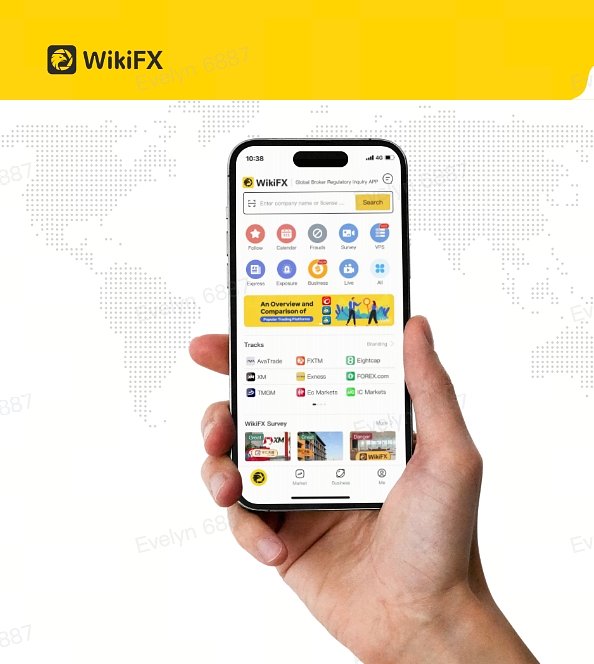
WikiFX Pledges Rating Integrity in New 2026 Transparency Framework
SINGAPORE – January 26, 2026 – In a move aimed at bolstering confidence in the turbulent online trading industry, global broker information platform WikiFX has announced a significant clarification of its evaluation framework, slated for 2026. The company reaffirmed that its broker scores and reviews are, and will continue to be, based strictly on objective, verifiable data, independent of any commercial partnerships or advertising fees.
The announcement comes as a direct address to the pervasive issue of trust in the financial review sector, where the line between impartial analysis and paid promotion can often appear blurred. For countless retail traders navigating the high-risk world of forex and CFD trading, platforms like WikiFX are a critical first line of defense. The integrity of their information is paramount, and this new initiative promises to draw a firm line in the sand.
A Framework Built on Data, Not Deals
According to its official statement, WikiFX is standardizing its evaluation mechanisms to enhance transparency and accountability. The company detailed a multi-faceted approach that eschews subjective judgment in favor of hard data. This methodology is grounded in what the platform calls a "measurable framework" for "Trading Safety."
The core pillars of this evaluation system include:
* Regulatory Scrutiny: Verifying brokers' licenses and cross-referencing their status with public records from regulatory bodies worldwide.
* Public Compliance: Analyzing public compliance records and any documented risk disclosures.
* User-Sourced Intelligence: Integrating feedback and complaint data from its vast user base.
* Continuous Monitoring: Actively tracking brokers for operational changes or emerging risks.
Crucially, WikiFX underscored that "commercial cooperation does not affect scores or reviews." The press release stated that any marketing or branding agreements are handled by a completely separate apparatus from the evaluation systems. "This separation is a foundational principle of our platform governance and is critical to maintaining user trust," the company noted. This public decoupling of revenue from ratings is the centerpiece of the 2026 initiative, designed to assure traders that the scores they see are not for sale.
Confronting a Crisis of Credibility
While the announcement presents a forward-looking commitment to integrity, it also lands against a backdrop of significant user skepticism. For years, online trading forums and third-party review sites like Trustpilot and Quora have been populated with accusations that challenge the very independence WikiFX now champions.
A recurring theme in user complaints is the allegation of a "pay-to-play" model. Numerous anonymous posts from individuals identifying as traders or even broker representatives claim that firms are pressured to pay substantial advertising fees to secure higher ratings or remove negative alerts. Conversely, brokers who decline to pay are allegedly saddled with low scores or unverified warnings. "Many traders know that some brokers pay to have higher ratings on this platform," one user wrote in a review dated early January 2026, capturing a widely held sentiment.
Further criticism has been leveled at WikiFX's own authority. Some critics point out that the platform itself is not a regulated financial entity, leading them to question its competence and jurisdiction in passing judgment on heavily regulated brokerage firms. These persistent allegations have created a "trust deficit" that the 2026 framework appears designed to remedy. By publicly clarifying its methodology and firewalling its commercial interests, WikiFX is making a high-profile attempt to control the narrative and rebuild its reputation as an unbiased arbiter.
Raising the Bar for Industry Transparency
The challenge of maintaining objectivity is not unique to WikiFX. The entire financial review industry grapples with monetizing its services without compromising the integrity of its content. Competitors range from community-driven forums like ForexPeaceArmy, which relies on user reports and investigations, to data-centric comparison tools like BrokerChooser, which details its own testing methodologies. Most platforms rely on a mix of advertising, lead generation, or affiliate links, all of which can create potential conflicts of interest.
WikiFX's public declaration could therefore have ripple effects across the sector. By making such an explicit pledge, the platform is potentially setting a new benchmark for transparency that competitors may be pressured to follow. Financial regulators, including the UK's Financial Conduct Authority (FCA) and the Cyprus Securities and Exchange Commission (CySEC), have long focused on protecting consumers from misleading information and unregulated entities. While they do not directly oversee review platforms, their emphasis on clear risk disclosure and transparency puts indirect pressure on the entire ecosystem to operate ethically.
If successfully implemented and, more importantly, perceived as genuine by the public, WikiFX's data-driven model could force a broader industry shift towards more verifiable and less commercially influenced evaluation standards, ultimately benefiting the end-user.
Beyond the Algorithm: A Dialogue on Trust
In parallel with its systemic changes, WikiFX is also launching a broader public relations effort to make abstract concepts like "trust" and "safety" more tangible. The company has initiated a series of "industry co-creation efforts," including the release of a micro-documentary titled "Let Trust Be Seen."
These initiatives, which also include industry interviews and public dialogues, are designed to complement the platform's technical framework. They aim to foster an open conversation about what constitutes a safe trading environment and highlight the real-world perspectives of traders and industry experts. This softer approach seeks to rebuild trust not just through algorithms and data points, but through engagement and shared dialogue.
The platform's stated mission is "to reduce information asymmetry in the trading industry." As it moves toward 2026, the success of this mission will hinge on its ability to deliver on its promises. The new framework and transparency pledge represent a critical test for WikiFX. The global trading community will be watching closely to see if these commitments translate into demonstrable, unbiased action, or if the shadow of commercial influence remains.