
- 3 new cities: Whole Foods' Daily Shop will launch in Boston, Chicago, and Philadelphia by 2028.
- Store size: Daily Shops range from 7,000 to 14,000 square feet, a fraction of traditional Whole Foods stores.
- Target demographics: Boston's Seaport and Chicago's Wicker Park have median household incomes exceeding $150,000.
Experts would likely conclude that Whole Foods' Daily Shop expansion is a strategic move to capture the urban convenience grocery market, leveraging its premium brand while facing stiff competition from established and emerging small-format players.
Whole Foods' Daily Shop Enters Urban Grocery Fray in 3 Major Cities
AUSTIN, TX – May 13, 2026 – Whole Foods Market is escalating its push into the heart of America’s densest urban neighborhoods, announcing plans to launch its smaller-format “Daily Shop” concept in Boston, Chicago, and Philadelphia over the next two years. The move signals a strategic intensification of the battle for the urban consumer, pitting the Amazon-owned grocer against a growing field of competitors vying for the convenience and quality-driven dollar.
The company confirmed it has signed leases for three initial locations: 111 Harbor Way in Boston’s affluent Seaport district, 1200 N Ashland in Chicago’s trendy Wicker Park, and 2221-2225 South Street in Philadelphia, a vibrant corridor known for its eclectic mix of businesses. These compact stores, designed for quick trips and daily essentials, represent a significant evolution in the Whole Foods strategy, moving beyond its traditional large-format supermarket model to capture a new segment of the market.
A New Front in the Urban Grocery Wars
The expansion places Whole Foods in direct competition with established and emerging players in the small-format grocery space. In each city, the Daily Shop will face a unique competitive landscape. In Philadelphia, it will contend with Giant’s Heirloom Market, a similar small-format concept launched by Ahold Delhaize specifically for the city’s urban neighborhoods. The new Philly location is also slated to replace a locally owned grocer, South Square Market, highlighting the pressures these large-scale expansions can place on independent businesses.
In Chicago, the Wicker Park location will go head-to-head with the resurrected Foxtrot Market, an upscale convenience brand that originated in the city and is known for its curated local goods and café experience. Meanwhile, in all three markets, the ever-popular Trader Joe’s looms as a formidable rival, having long mastered the art of the curated, private-label-heavy, small-footprint urban store that fosters a loyal customer base.
The strategic placement of these stores underscores the high stakes. Boston’s Seaport is a high-density, high-income enclave where the median household income exceeds $167,000 and the population is largely young, educated professionals. Similarly, Chicago’s Wicker Park boasts a demographic with a median age in the low 30s and over half of households earning more than $150,000. These are precisely the consumers who value high-quality, natural foods but are often too time-pressed for a full-scale supermarket trip, creating a lucrative target for a convenience-focused model.
Curated for the City Dweller
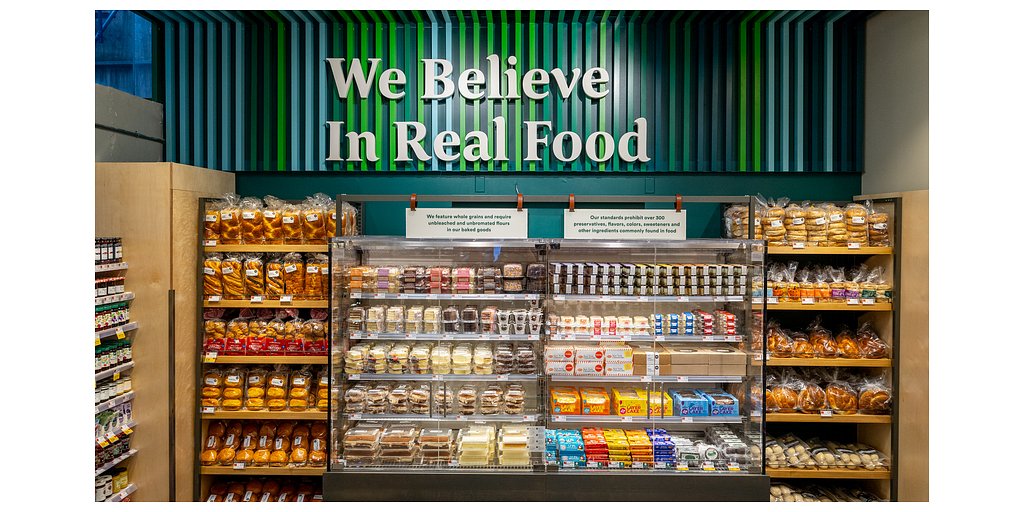
The Daily Shop concept is Whole Foods’ answer to the specific needs of these urbanites. With a footprint ranging from 7,000 to 14,000 square feet—a fraction of a typical 40,000-square-foot Whole Foods Market—the stores are engineered for efficiency. The company states the assortment will be highly curated, focusing on fresh produce, meat and seafood, prepared foods, bakery items, and a selection of its popular 365 by Whole Foods Market private-label products.
“These stores are designed with intention at every level, from layout to assortment,” said Stephanie Curley, Senior Manager of Growth & Innovation at Whole Foods Market and Amazon. The layout is designed to simplify navigation and speed up the shopping process, a critical factor for customers on a lunch break or grabbing ingredients for dinner on the way home from work.
Beyond staples, the press release promises a selection of local and regional products to reflect the surrounding community. This commitment to localization is a key part of the Whole Foods brand identity, but it will also present new logistical challenges in sourcing and managing relationships with smaller suppliers for these compact, high-turnover locations.
The model aims to blend the brand's premium, health-conscious reputation with the grab-and-go speed of a corner store. It’s a delicate balance, as initial reactions to existing Daily Shops have shown. While the first New York City location, launched in 2024, has reportedly exceeded sales projections, customer feedback from other sites, such as in Arlington, Virginia, has been mixed. Some shoppers there expressed disappointment over the lack of signature Whole Foods features like a full hot food and salad bar, suggesting that customer expectations for the brand remain high, regardless of store size.
Amazon's Consolidated Grocery Strategy
This expansion is a key component of parent company Amazon’s broader, evolving grocery playbook. In recent months, Amazon has been streamlining its physical retail efforts, notably by shuttering its Amazon Fresh and Amazon Go stores and consolidating its brick-and-mortar grocery focus around the well-established Whole Foods brand. The Daily Shop appears to be the tip of the spear in this new, more focused strategy.
“Daily Shop is an important part of how we’re growing our physical store presence,” stated Christina Minardi, Vice President of Real Estate and Store Development at Whole Foods Market and Amazon. This growth complements Amazon’s massive grocery delivery network, which serves over 5,000 U.S. cities and towns. The strategy creates a multi-channel ecosystem: large Whole Foods stores for weekly stock-ups, Daily Shops for quick fill-in trips, and delivery for ultimate convenience. This integrated approach allows Amazon to compete on multiple fronts, from traditional supermarkets to quick-commerce delivery apps.
The Daily Shop format also provides a flexible and data-rich testbed for the company. “We’re able to introduce new merchandising approaches and fixtures that make it easier for customers to find what they need,” Curley noted. Insights gathered from these smaller stores about product placement, assortment, and urban consumer behavior can inform future designs across the entire Whole Foods network.
With eight Daily Shops already operating in the New York City metro, Arlington, and London, and more planned, the company is moving aggressively. As these new stores prepare to open their doors in Boston, Chicago, and Philadelphia, they are set to become the next major battleground in the ongoing war for the American grocery shopper.