
- 31% reduction in neck muscle activity
- 55% increase in endurance time before exhaustion
- 50% reduction in perceived neck discomfort
Experts conclude that the NekSpine® exoskeleton provides scientifically validated relief for chronic neck and back pain, offering a proactive solution for professionals in high-risk postures.
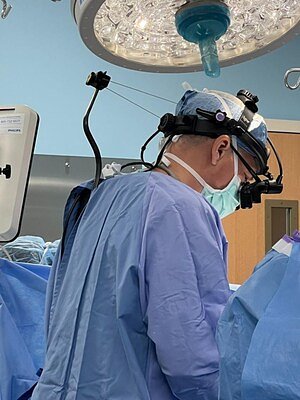
Wearable Tech Aims to End Chronic Neck and Back Pain for Professionals
EDMONTON, AB – March 16, 2026 – For professionals like surgeons, dentists, and industrial technicians who spend hours hunched over their work, chronic neck and back pain has long been considered an unavoidable occupational hazard. A new generation of wearable technology, however, aims to change that reality. A groundbreaking study on a passive exoskeleton called NekSpine® has provided compelling evidence that significant relief is not only possible but quantifiable, potentially heralding a new era of workplace ergonomics.
The peer-reviewed study, led by researchers at the University of Alberta and published in the scientific journal Sensors, found that the NekSpine device dramatically reduces the physical toll of tasks requiring a prolonged, forward-flexed posture. The findings are a significant validation for its developer, Composite Manufacturing Inc., and a beacon of hope for millions of workers.
The Science of Support
The research, conducted in collaboration with ergonomic consulting firm EWI Works International Inc., employed a rigorous methodology to assess the exoskeleton's effectiveness. Using electromyography (EMG) sensors to measure muscle activity and gathering user-reported exertion scores, the study simulated the demanding physical conditions of surgery.
The results were striking. Participants using the NekSpine exoskeleton experienced up to a 31% reduction in neck muscle activity and a 19% decrease in lower-back muscle activity. These objective measurements were mirrored by the users' subjective experience; they reported up to a 50% reduction in perceived neck discomfort and a 41% drop in lower-back discomfort. Perhaps most impressively from a productivity standpoint, the device enabled participants to increase their endurance time by an average of 55% before reaching exhaustion.
The credibility of these findings is bolstered not only by the reputation of the University of Alberta's biomedical engineering department and the peer-review process of Sensors, a well-regarded international journal, but also by corroborating research. A separate study published in the February 2026 issue of the prestigious Annals of Surgery evaluated the NekSpine exoskeleton during live surgical procedures at the Mayo Clinic. Surgeons who wore the device reported significantly less neck discomfort and spent less time in postures considered high-risk for injury, all with minimal disruption to their surgical workflow. The high willingness of these surgeons to reuse the device underscores its practical utility in a high-stakes environment.
Engineering a Pain-Free Posture
At the heart of these results is a device engineered for both strength and subtlety. The NekSpine® is a passive exoskeleton, meaning it uses no motors or batteries, relying instead on clever biomechanical principles. Weighing less than two pounds, its design prioritizes a lightweight and unobtrusive user experience.
The system consists of three core components. A comfortable, padded body vest, made from durable materials, anchors the device and includes an integrated lumbar support system. From this vest rises a carbon fiber I-beam spine, which is the structural backbone of the exoskeleton. This beam connects to a fully adjustable carbon fiber head frame via a titanium wire.
The mechanism is elegantly simple: the head frame and beam work together to counterbalance the weight of the user's head, which can exert significant force on the cervical spine when tilted forward. The exoskeleton effectively transfers this load away from the vulnerable neck and upper back muscles and down through the spine beam to the user's hips, a part of the body far better equipped to bear the weight. Color-coded knobs allow users to adjust the tension, customizing the level of support needed for different tasks and angles. The modular design is also compatible with other essential professional gear, such as surgical loupes, headlights, and radiation protection.
A Strategic Move in a Booming Market
For Composite Manufacturing Inc. (CMI), the company behind NekSpine, these positive study results represent a major strategic victory in the rapidly expanding exoskeleton market. Founded in 1985, CMI is no newcomer; it is a veteran FDA-registered manufacturer with deep roots in developing advanced composite structures for the medical, aerospace, and industrial sectors. Its long-standing expertise in carbon fiber and its history of partnerships with industry giants like 3M and Stryker position it as a formidable player.
The timing could not be better. The global market for wearable exoskeletons is experiencing explosive growth, with some analysts projecting the market to surpass $18 billion by 2033. This surge is driven by powerful societal and economic trends: an aging global workforce, a heightened focus on occupational health and safety to reduce costly musculoskeletal injuries, and continuous technological advancements that make the devices lighter, smarter, and more affordable.
Within this landscape, the passive exoskeleton segment—where NekSpine resides—is a particularly hot area of growth, projected to become a multi-billion dollar market within the decade. By focusing on a specific, unaddressed ergonomic challenge—static forward-flexed posture—rather than competing directly with powered exoskeletons designed for heavy lifting or mobility assistance, CMI has carved out a valuable niche. The robust, peer-reviewed scientific validation provides a powerful competitive advantage, distinguishing NekSpine from other solutions in a crowded field.
Redefining Wellness Across Industries
While the initial focus and most dramatic validation have come from the surgical field, the implications of the NekSpine technology extend far beyond the operating room. The chronic pain and fatigue associated with "tech neck" and other postural strain are rampant across numerous professions. Dentists, dental hygienists, laboratory technicians, jewelers, and workers on manufacturing assembly lines all face similar physical demands.
These musculoskeletal disorders (MSDs) are a leading cause of worker disability, absenteeism, and reduced productivity, costing employers billions annually in healthcare and lost workdays. Ergonomic interventions are becoming a critical component of modern workplace wellness programs, and advanced wearable technology offers a proactive solution.
"For decades, we've focused on modifying the workstation to fit the worker. Now, we are seeing the rise of tools that augment the worker to better handle the demands of the station," noted one occupational health specialist. "Devices like this represent a paradigm shift from reactive treatment of injury to proactive prevention. It's not just about reducing pain; it's about extending careers, improving quality of life, and fundamentally changing what we consider to be an acceptable level of physical risk at work." As this technology becomes more accessible and its benefits more widely understood, exoskeletons may soon become as common a piece of personal protective equipment as a hard hat or safety glasses.