
- Viking will operate 10 ships on the Nile by the end of 2026, expanding to 12 by 2027.
- Demand for Nile cruises has surged, with Viking's 2025 season 'practically sold out' and some agencies reporting 20%+ booking increases.
- Tourism contributes up to 15% of Egypt's GDP, supporting millions of jobs.
Experts view Viking's expansion as a strong indicator of Egypt's tourism resurgence, driven by stability, marketing, and cultural attractions like the Grand Egyptian Museum.
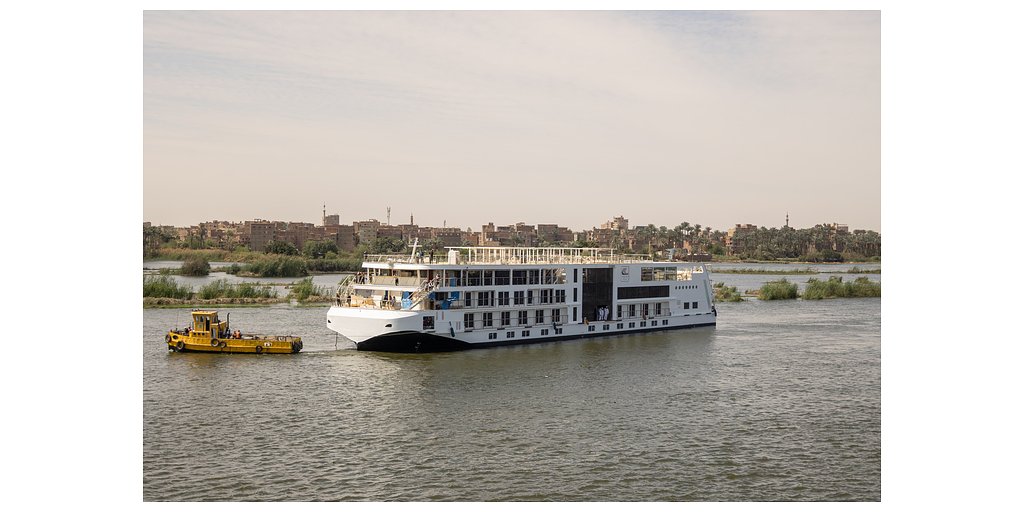
Viking's Nile Fleet Swells as Luxury Egypt Travel Booms
CAIRO, EGYPT – April 01, 2026 – In a significant display of confidence in Egypt's burgeoning tourism market, Viking today announced that its two newest Nile River ships, the Viking Ptah and the Viking Sekhmet, have been floated out at the Massara shipyard in Cairo. This traditional ceremony, which marks the first time the vessels have touched water, signifies a major construction milestone ahead of their planned debuts in September and November 2026, respectively.
The move underscores an aggressive expansion strategy that is set to make Viking one of the most dominant players on the world’s most storied river. The two new ships will sail the company's popular 12-day Pharaohs & Pyramids itinerary, which has seen demand skyrocket in recent years.
“Egypt is truly a phenomenal destination, distinguished by its remarkable history, enduring culture and the singular power of the Nile,” said Torstein Hagen, Chairman and CEO of Viking, in a statement accompanying the announcement. “With the float out of our two newest ships, we look forward to further expanding our elegant fleet on the Nile and welcoming more curious travelers to experience this extraordinary region in the years to come.”
A Resurgent Demand for Ancient Wonders
Viking’s investment is a powerful testament to a wider trend: a new golden age of luxury travel in Egypt. After years of fluctuating fortunes, the nation’s tourism sector is experiencing a robust and sustained revival. Industry analysts point to a confluence of factors, including increased stability, renewed marketing efforts, and the highly anticipated opening of the Grand Egyptian Museum near the Giza Plateau, which has acted as a powerful magnet for cultural travelers.
Demand for Nile cruises, the classic centerpiece of any Egyptian holiday, has outpaced supply. Viking has reported that its 2025 season is already “practically sold out,” a sentiment echoed across the luxury travel sector, where some agencies report booking increases of 20% or more for Nile itineraries. This surge is particularly pronounced in the premium segment, where travelers are seeking immersive, educational experiences paired with the comforts of a five-star floating hotel.
Viking's Strategic Fleet Expansion
The float-out of the Viking Ptah and Viking Sekhmet is not an isolated event but a calculated step in a multi-year strategic plan. By the end of 2026, Viking will operate a formidable fleet of ten purpose-built ships on the Nile. This rapid expansion began with the Viking Osiris in 2022, followed by the Viking Aton in 2023, the Viking Hathor and Viking Sobek in 2024, and the Viking Amun and Viking Thoth in 2025. The company has publicly stated its goal of having 12 ships sailing the river by 2027.
All of these vessels are designed to serve the company's signature Pharaohs & Pyramids itinerary. This carefully curated 12-day journey combines a multi-night hotel stay in Cairo for visits to the Pyramids and museums with an eight-day roundtrip cruise between Luxor and Aswan. Accompanied by professional Egyptologists, guests explore iconic sites such as the Valley of the Kings, the temples of Karnak and Luxor, and the colossal statues at Abu Simbel.
Each of the identical sister ships accommodates an intimate 82 guests in 41 staterooms. They feature Viking’s characteristic Scandinavian design, which emphasizes clean lines and natural light, along with guest-favorite features like the indoor/outdoor Aquavit Terrace and a distinctive, space-saving square bow. By building, owning, and operating its own fleet, Viking maintains tight control over the quality and consistency of the guest experience, a key competitive advantage.
A Crowded River of Competitors
While Viking's expansion is notable for its scale and speed, it is not unfolding in a vacuum. The lucrative Nile market has attracted significant investment from other top-tier travel companies. Luxury tour operator Abercrombie & Kent, a veteran on the Nile since 1977, is also dramatically increasing its capacity. A&K is set to launch a new vessel, the Nile Seray, in late 2026, with a sister ship planned for 2028, bringing its total Egyptian fleet to six.
Other established players like Uniworld Boutique River Cruises, which sails its luxurious S.S. Satet, and Scenic Luxury Cruises & Tours continue to offer high-end experiences. The river is also home to a host of other respected vessels, from the Oberoi fleet to ships operated by TUI River Cruises, all vying for discerning travelers eager to explore Egypt's ancient treasures. This competitive pressure is driving innovation in both ship design and itinerary offerings across the board.
Local Construction and Economic Impact
The construction of Viking's fleet at the Massara shipyard in Cairo represents a significant direct investment in the Egyptian economy. The float-out ceremony marks the transition of the Viking Ptah and Viking Sekhmet from the initial construction phase to the final outfitting stage, where interiors will be completed. This process creates skilled jobs and supports a local supply chain for materials and services.
Beyond the shipyard, the economic ripple effects of an expanded cruise presence are substantial. Tourism is a cornerstone of Egypt's economy, contributing up to 15% of its GDP and supporting millions of jobs. Each cruise departure employs a host of local staff, from the ship’s crew and captain to the expert Egyptologists who guide the tours. The industry also sustains a vast network of ground transportation providers, souvenir artisans, and local businesses in the communities visited along the river, from the bustling markets of Aswan to traditional Nubian villages.
As the lifeblood of Egypt for millennia, the Nile River also faces modern environmental pressures, including pollution and water stress. This places a significant responsibility on cruise operators to implement sustainable practices. The industry is increasingly moving toward greener operations, with initiatives such as zero-discharge policies to prevent waste from entering the river and efforts to reduce single-use plastics onboard. For travelers and operators alike, the long-term health of the Nile ecosystem is inextricably linked to the future of tourism in this timeless land.