
- Over 60% of retailers had adopted cloud-based POS systems by 2024
- Global cloud POS market projected to reach $25 billion by 2033
Experts agree that the shift from legacy POS systems to cloud-based solutions is essential for modern retailers to remain competitive, improve operational efficiency, and meet evolving consumer expectations.
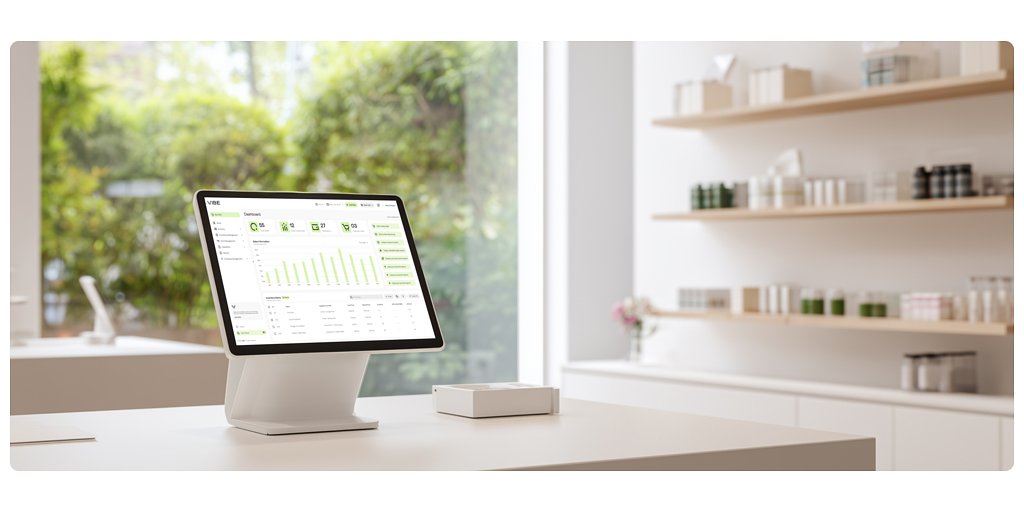
Vibe Retail Leads Charge as Merchants Ditch Outdated POS Systems
BROOKLYN, N.Y. – January 02, 2026 – A quiet revolution is reshaping the retail landscape, not on the sales floor, but at the checkout counter. Retailers, from independent boutiques to multi-location chains, are increasingly abandoning their clunky, outdated point-of-sale (POS) systems in favor of modern, cloud-based alternatives. This mass migration is fueling the rapid growth of companies like Brooklyn-based Vibe Retail, which is gaining significant traction by offering a solution engineered for the demands of today's commerce.
The shift reflects a broader industry reckoning. For years, merchants have been shackled to hardware-dependent systems that are expensive to maintain, difficult to scale, and incapable of providing the deep, actionable insights needed to compete in a data-driven world. Now, as consumer expectations for speed and seamlessness soar, the demand for flexible, intelligent, and unified platforms is reaching a critical mass.
The Burdens of an Outdated System
The traditional POS system, once a simple digital cash register, has become a significant liability for modern retailers. These legacy setups often require substantial upfront investments in proprietary hardware and on-site servers. Beyond the initial cost, maintenance is a constant drain, requiring specialized technicians for software crashes or hardware failures, leading to costly operational downtime.
More critically, these older systems operate in silos. They struggle to integrate with e-commerce platforms, inventory management software, and customer relationship management (CRM) tools, creating a fragmented view of the business. This lack of integration makes true omnichannel retail—where online and in-store experiences are seamlessly connected—nearly impossible to achieve. One retail technology analyst notes that this fragmentation is a primary driver for change, stating, "Retailers can no longer afford to have their in-store data and online data living in separate universes. It blinds them to customer behavior and cripples inventory accuracy."
Furthermore, legacy systems are notoriously poor at providing real-time data. Reports on sales trends or stock levels are often delayed, forcing managers to make critical decisions based on outdated information. In an era where consumer trends can shift overnight, this lag is a competitive disadvantage. Security is another pressing concern; older, infrequently updated software is a prime target for data breaches, putting sensitive customer information at risk and eroding trust.
The Inevitable Shift to the Cloud
In response to these challenges, cloud-based POS systems have emerged as the clear successor. Unlike their predecessors, these platforms run online and typically operate on a software-as-a-service (SaaS) subscription model. This dramatically lowers the barrier to entry, eliminating the need for massive upfront hardware costs and replacing them with predictable monthly fees.
The benefits extend far beyond cost savings. Cloud architecture allows retailers to access their business data—from sales figures and stock levels to customer profiles—from any internet-connected device, anywhere in the world. This provides unprecedented flexibility and real-time operational visibility. Market data underscores this transition, with some industry reports indicating that over 60% of retailers had adopted cloud-based POS systems by 2024, and projections show the global cloud POS market is expected to grow exponentially, potentially reaching over $25 billion by 2033.
These modern systems are built for integration. They can unify online and offline sales channels, synchronize inventory across multiple locations in real-time, and connect with a vast ecosystem of third-party applications for accounting, marketing, and more. This creates a centralized command center for the entire retail operation, empowering merchants with the holistic data needed for smarter pricing, targeted marketing, and efficient inventory management.
Vibe Retail’s Strategic Answer to Market Pains
It is within this dynamic environment that Vibe Retail has carved out its space. Founded by payments industry veterans, the company was built with a deep understanding of both the operational needs of merchants and the shortcomings of existing POS providers. Vibe positions itself as a direct solution to the industry's most common pain points, offering a modern, cloud-based platform that emphasizes speed, reliability, and data-driven control.
“Retailers are actively rethinking the systems they rely on to run their businesses,” said Shmuly Preizler, Co-Founder & CEO of Vibe Retail, in a recent announcement. “After years of building Vibe alongside real merchants, we’re seeing increased demand for modern in-store technology that gives retailers more control and clarity.”
The company’s growth across multiple markets, serving both independent shops and multi-location enterprises, highlights the appeal of its model. Vibe Retail's platform aims to be an all-in-one solution, bundling features like unlimited user accounts, built-in loyalty programs, SMS and email marketing, and real omnichannel inventory management into a single, transparently priced package. This approach directly challenges competitors who often charge extra for these essential tools, a strategy that resonates with budget-conscious retailers tired of hidden fees and complex billing.
Empowering Merchants to Compete and Thrive
For independent and growing retailers, the adoption of advanced technology is no longer a luxury but a necessity for survival. Powerful cloud POS systems like the one offered by Vibe Retail are leveling the playing field, giving smaller businesses access to tools and insights that were once the exclusive domain of large corporate chains.
By unifying sales, inventory, and customer data, these platforms provide a 360-degree view of the business. A boutique owner can instantly see which products are selling best online versus in-store, manage stock levels across a warehouse and two physical locations from their tablet, and launch a targeted email campaign to customers who haven't shopped in 90 days. This ability to act on real-time data empowers merchants to optimize their operations, reduce waste, and build stronger customer relationships.
Furthermore, these systems directly address evolving consumer expectations. Features like mobile POS terminals allow staff to check out customers anywhere on the sales floor, reducing lines and improving the shopping experience. Real-time inventory visibility means a customer can confidently check online if an item is in stock at their local store before visiting. As the retail industry continues to navigate rising costs and fragmented commerce tools, this level of operational agility and customer-centricity is paramount.
As it continues to scale, Vibe Retail has stated its focus remains on product innovation and robust merchant support. The company emphasizes its commitment to working closely with retailers to ensure seamless implementation and continuous optimization, helping them modernize their in-store operations without the disruption that so often accompanies technological change.