
- 54% of workers frequently leave meetings without a clear understanding of responsibilities
- Vibe Bot captures offline conversations, transforming them into structured, searchable data
- The device integrates with popular project management tools and calendars, closing the loop between discussion and execution
Experts would likely conclude that Vibe Bot's hardware-centric approach offers a distinct advantage in capturing the full spectrum of hybrid work collaboration, addressing critical gaps left by software-only solutions.
Vibe Bot Aims to Cure Hybrid Work Fatigue With a Physical AI Brain
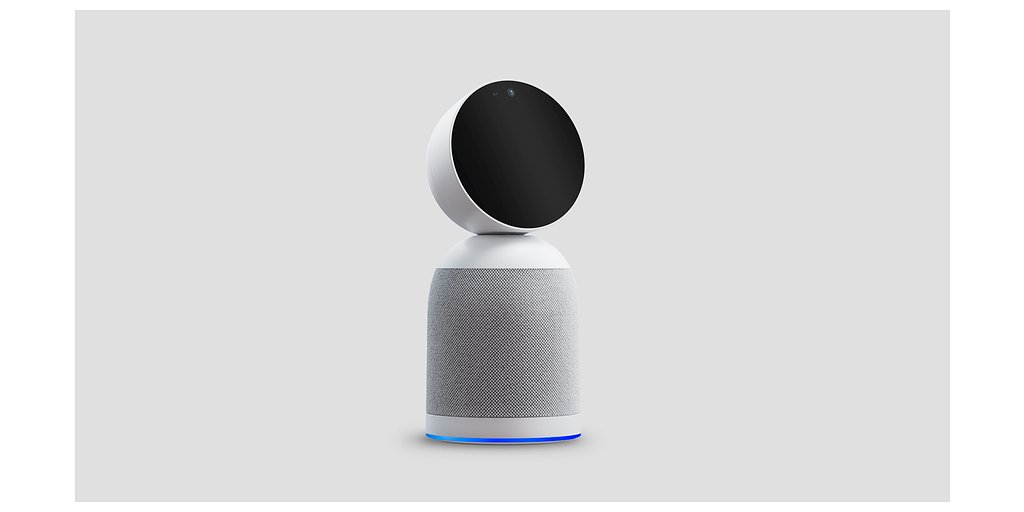
BELLEVUE, WA – January 06, 2026 – As the tech world descends upon Las Vegas for CES, a new device from Vibe is tackling one of the most persistent headaches of the modern era: the unproductive meeting. The company today unveiled Vibe Bot, a physical, in-room AI assistant designed to serve as a shared memory for teams, ensuring that crucial conversations, decisions, and action items are never lost in the shuffle of hybrid work.
In a market saturated with software-based transcription services, Vibe is making a bold bet on dedicated hardware. The Vibe Bot is not an app or a plugin; it's a sleek, standalone device that sits in the meeting room, using spatial intelligence to see, hear, and understand the flow of conversation. It aims to solve a problem that has become endemic to hybrid workplaces, where a reported 54% of workers frequently leave meetings without a clear understanding of who is responsible for what. Vibe’s solution is to give every meeting a dedicated, intelligent observer that remembers everything and forgets nothing.
A Physical Answer to a Digital Problem
While AI assistants for meetings are not new, Vibe Bot’s differentiation lies in its physical form. The device’s symmetrical design houses a sophisticated array of hardware, including a swiveling 4K camera and a set of beamforming microphones. This concept of “spatial intelligence” allows the Bot to do more than just listen; it perceives the physical space. It can intelligently identify and frame the active speaker, projecting their video to remote attendees, creating a more equitable and engaging experience for those not physically present.
This hardware-first approach directly addresses a critical gap left by cloud-only recording tools: the offline conversation. Vibe Bot is designed to capture the entire spectrum of collaboration, from the formal video conference to the impromptu whiteboard brainstorm or the quick huddle in the corner of the room. By being physically present, it can turn these often-lost interactions into structured, searchable data. This “critical offline capture” capability transforms fleeting moments of insight into permanent institutional knowledge.
“Organizations can’t afford to let institutional knowledge slip between the cracks of Zoom calls, whiteboards, and hallway conversations,” said Charles Yang, Founder and CEO of Vibe, in the official announcement. “The difference between winning and falling behind often comes down to how effectively a team captures knowledge and turns it into action. With Vibe Bot, AI addresses this challenge.”
Curing Corporate Amnesia with the Memory Engine
At the core of the Vibe Bot is the company's proprietary Vibe Memory Engine. This AI-powered system acts as a contextual workspace, capturing what teams discuss and automatically organizing the information into clear decisions, summaries, and next steps. Instead of work resetting after each meeting, the Memory Engine carries context forward, building a continuous, compounding repository of knowledge.
This directly targets the widespread issue of “meeting amnesia,” where resolutions from one call are forgotten by the next, forcing teams to re-litigate decisions and waste valuable time. The Vibe Bot transforms every conversation into a structured, searchable thread. Users can ask the Bot questions about past discussions, such as “What did we decide about the Q3 budget last week?” or “Summarize our action items from the client call,” and receive an instant, accurate response. The system also uses ambient visual cues on its built-in touchscreen to flag key moments during a meeting without disrupting the conversational flow, making it easier to review highlights later.
Furthermore, the device integrates directly into existing workflows. Powered by its own BotOS and a built-in AI accelerator, Vibe Bot can connect with popular project management tools and calendars. A simple voice command can delegate a task in Asana, set a reminder in a Google Calendar, or send a summary to the team’s Slack channel, closing the loop between discussion and execution.
Navigating a Crowded Field of AI Assistants
Vibe Bot enters an increasingly competitive landscape. AI-powered meeting assistants like Otter.ai and Fathom have gained popularity for their transcription and summarization features, while tech giants like Microsoft and Google are embedding similar AI capabilities directly into their Teams and Meet platforms. CES 2026 itself is abuzz with a new wave of on-device AI and intelligent agents designed to streamline workflows.
However, Vibe appears confident that its hardware-centric strategy provides a distinct advantage. While software solutions excel at processing the audio and video feeds of virtual meetings, they remain blind to the rich context of an in-person or hybrid environment. Vibe Bot’s ability to physically observe a room, track speakers, and capture offline discussions positions it as a more holistic solution. It’s not just transcribing a call; it’s documenting the entire collaborative event.
This approach aligns with a broader industry trend toward more capable, agentic AI that can proactively manage tasks and information. By creating a dedicated physical node for organizational memory, Vibe aims to provide a more reliable and comprehensive system than one that relies solely on fragmented, software-based inputs. The Bot can function as a standalone system or integrate with existing video conferencing apps, offering flexibility for different organizational setups.
Early Impressions and the Path Forward
Initial feedback from early users has been positive, highlighting both the device's ease of use and its tangible value. Jon Durell, a lawyer and owner of Durellaw PLC, shared his first impressions after using the device with a Samsung smart TV and Microsoft Teams.
“It worked well in real-time and was easy to set up. With my current clunky multi-system process for timekeeping and note-taking, this device brings significant value,” Durell stated. “The ability to ask the bot for a daily time summary or to capture time spent on calls would save me a lot of time and effort. The summarization feature alone would help me track my activities more effectively, making it easier to bill clients for my time. I see a lot of potential in this product.”
This use case underscores the Bot’s potential to deliver a clear return on investment in professional services and beyond. Vibe, which was founded in 2018 and is backed by prominent investor HongShan (formerly Sequoia Capital China), is already an established player in the collaboration space with its Vibe Board S1 interactive whiteboards. The Vibe Bot represents a significant expansion of its vision to embed AI directly into the physical spaces where work happens.
The company has opened up presale sign-ups for the Vibe Bot, with a full launch anticipated later in 2026. As businesses continue to navigate the complexities of hybrid collaboration, Vibe is betting that a dedicated AI with a physical presence is the key to creating a truly connected and efficient workplace where no good idea gets left behind.