
- 550+ lives lost in two powerful earthquakes striking northern Venezuela.
- Nearly 3,000 injured, with entire communities around Caracas and La Guaira reduced to rubble.
- Over 7 million Venezuelans already fled the country due to pre-existing crises.
Experts would likely conclude that while the earthquake is a natural disaster, its catastrophic impact is severely exacerbated by Venezuela's decade-long systemic collapse, making recovery an unprecedented challenge.
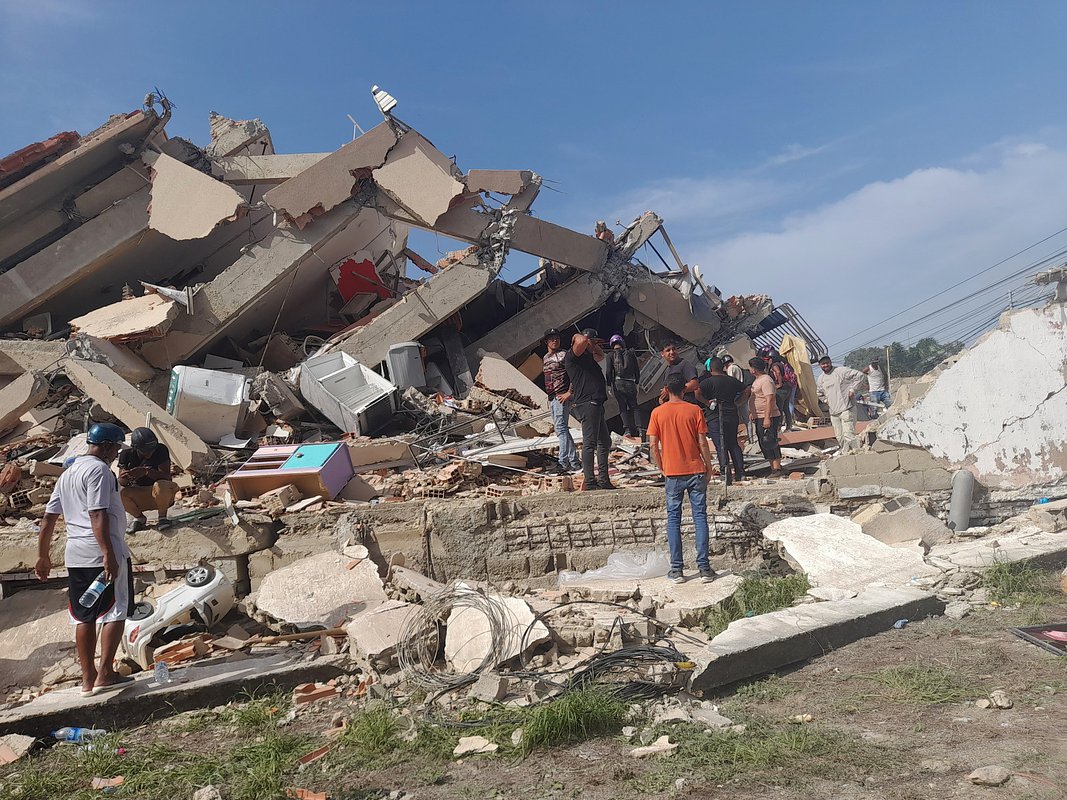
Venezuela's Double Disaster: Why an Earthquake is Just the Beginning
WASHINGTON, D.C. – June 26, 2026 – The ground in northern Venezuela has stopped shaking, but the true catastrophe is only just beginning. Early reports from the two powerful earthquakes that struck on June 24 paint a devastating picture: over 550 lives lost, nearly 3,000 injured, and entire communities around Caracas and La Guaira reduced to rubble. In response, the humanitarian sector is mobilizing, with organizations like Global Impact launching its Venezuela Earthquakes Response Fund to streamline aid. But to understand the sheer scale of this tragedy, one must look past the seismic readings and into the deep fractures that have defined Venezuela for more than a decade.
This is not simply a natural disaster. It is a catastrophe layered upon a protracted, man-made crisis, a scenario that will test the limits of modern humanitarian response and expose the brutal consequences of systemic failure.
A Catastrophe on Top of a Crisis
The catastrophic death toll and destruction are a direct result of the earthquakes, but their severity is magnified exponentially by Venezuela's pre-existing state of collapse. For years, the nation has been grappling with a complex humanitarian emergency characterized by a shattered economy, a decimated healthcare system, and crumbling public infrastructure. This is the grim context that makes recovery so daunting.
Venezuela's public health system, once a regional leader, was already on life support. Hospitals have long suffered from chronic shortages of medicine, equipment, and personnel. Now, they are overwhelmed with trauma patients from the quakes, operating in damaged buildings with dwindling supplies. The immediate challenge of treating thousands of injured is compounded by the long-term risk of disease outbreaks—cholera, dysentery—in a country where access to clean water and sanitation was already a daily struggle for millions. The quake didn't just break buildings; it shattered an already fragile public health apparatus.
Similarly, the widespread destruction of homes is more tragic given the state of the nation's infrastructure. Decades of underinvestment left buildings, roads, and bridges vulnerable. Many of the collapsed structures were likely poorly maintained or constructed in high-risk zones, a symptom of a governance crisis that has left its population perilously exposed. The immediate need for shelter is immense, but the long-term task of rebuilding resilient infrastructure in a country with virtually no state capacity to fund it is a challenge of staggering proportions.
The Philanthropic Intermediary: A Model for Complex Emergencies
Into this complex environment steps a model of aid designed for efficiency and coordination: the consolidated fund. Global Impact, a philanthropy advisor with a strong track record confirmed by top ratings from watchdogs like Charity Navigator, has activated its Venezuela Earthquakes Response Fund. This mechanism allows a single donation to support a dozen vetted, high-impact humanitarian organizations already mobilizing on the ground.
The model's strength lies in its strategic architecture. Rather than forcing donors to choose between multiple worthy charities or leaving smaller organizations to compete for funds, it pools resources and distributes them to a pre-vetted 'Charity Alliance'. This alliance includes household names like UNICEF USA, Save the Children, and CARE, alongside specialists like Humanity & Inclusion and International Medical Corps. This approach offers two key benefits in a chaotic post-disaster landscape: speed and trust.
By leveraging a network of established partners, the fund can ensure that aid is deployed quickly and effectively, bypassing the logistical and bureaucratic hurdles that can stall individual efforts. For donors, it provides an invaluable layer of due diligence, ensuring their contributions are managed by a reputable intermediary and executed by organizations with proven expertise in disaster zones. As Brittany Mattfeld Craig, Managing Director at Global Impact, stated, “This is one of Venezuela’s most devastating disasters in more than a century, and communities urgently need support.” The fund is a direct answer to that urgency, a strategic tool designed to deliver immediate relief and “restore hope for families facing unimaginable loss.”
Mobilizing a Coordinated Response
The effectiveness of the Charity Alliance model is visible in the specialized, coordinated actions of its members. This is not a scattered, duplicative effort but a multi-faceted response where each organization plays to its strengths.
Medical relief is being spearheaded by groups like Americares, which is preparing shipments of essential medicines and orthopedic supplies, and Project HOPE, which has deployed assessment teams and has medical personnel on standby. International Medical Corps is leveraging its in-country team to provide health services directly. This focus on health is critical in preventing a secondary crisis of disease and untreated injuries.
Simultaneously, the basic needs of a displaced and traumatized population are being addressed. The International Rescue Committee is distributing essential relief items. Matthew 25: Ministries is shipping personal care items and cleaning products. World Vision is coordinating efforts to provide emergency supplies as its teams complete safety assessments.
Crucially, the most vulnerable are not being overlooked. Save the Children and Plan International are focusing on the unique needs of children, working to establish safe spaces and provide protection. CARE is ensuring its response specifically supports women and girls, who are often disproportionately affected in disasters. And Humanity & Inclusion is organizing vital physical rehabilitation and psychosocial support, a critical component of long-term recovery that is often underfunded.
The Long, Perilous Road to Recovery
While the immediate focus is rightly on saving lives, the long-term calculus for Venezuela is grim. The road to recovery will be measured not in months, but in decades, and it is fraught with challenges that extend far beyond clearing rubble and rebuilding homes. The earthquake has inflicted a deep wound on a nation already weakened by economic collapse, political paralysis, and mass migration.
Sustained recovery will require a level of international investment and political will that may be difficult to secure. With the government's financial resources severely constrained and international sanctions complicating financial flows, the burden of reconstruction will fall heavily on the international community. But donor fatigue is real, and the world is beset by competing crises.
The human toll will also have a long tail. The disaster will almost certainly trigger a new wave of internal displacement and external migration, adding to the more than 7 million Venezuelans who have already fled the country. The psychological trauma will linger for a generation, requiring a massive and sustained investment in mental health services that the country is ill-equipped to provide. Rebuilding schools, restarting local economies, and restoring a semblance of normalcy will be a monumental task. The 2026 earthquakes may be a singular event, but they have laid bare the profound, systemic vulnerability that will define Venezuela's future for years to come.