
- 125 tons/day: E-Z Recycling's current processing capacity for food and beverage waste, set to more than double to 300 tons/day with recent upgrades.
- 100 anaerobic digesters: Vanguard Renewables' goal to commission by 2026, expanding its waste-to-energy infrastructure.
- 25% of Minnesota's waste: The portion attributed to organic material, now diverted from landfills to produce renewable natural gas (RNG).
Experts would likely conclude that this acquisition strengthens the Midwest's waste-to-energy infrastructure, aligning with regional sustainability goals and setting a new standard for circular economy solutions in the food and beverage industry.
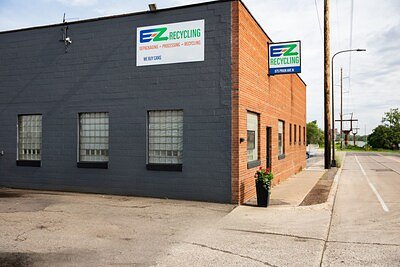
Vanguard Acquires E-Z Recycling, Bolstering Midwest Waste-to-Energy
ST. PAUL, Minn. – February 17, 2026 – Vanguard Renewables, a national leader in producing renewable energy from organic waste, has acquired St. Paul-based E-Z Recycling, a move set to significantly expand the organics recycling infrastructure in the Midwest. The acquisition integrates a critical depackaging facility into Vanguard's growing network of anaerobic digesters, creating a powerful, end-to-end solution for the region's vast food and beverage manufacturing sector.
A Strategic Push into the Heartland's Green Market
This acquisition is more than a simple business transaction; it represents a calculated strategic expansion into a region ripe with opportunity. Minnesota, a hub for food and beverage production, is supported by a progressive regulatory landscape that increasingly favors diverting organic waste from landfills. State-level initiatives, such as the Minnesota Pollution Control Agency's (MPCA) goal to halve food waste by 2030 and Hennepin County's mandates for organics recycling, have created a fertile ground for companies that can provide comprehensive waste solutions.
Vanguard Renewables, backed by the financial might of BlackRock Real Assets since a 2025 acquisition, is capitalizing on these trends. The company is aggressively scaling its operations nationwide with a goal of commissioning over 100 anaerobic digester facilities by 2026. This latest move secures a vital stream of feedstock—packaged food and beverage waste—for its existing anaerobic digestion facility in the Minneapolis-St. Paul region and a second one recently announced in Meeker County. By controlling more of the supply chain, from waste collection to energy production, the company solidifies its position in the burgeoning renewable natural gas (RNG) market.
"This acquisition represents our commitment to creating a fully integrated, circular solution for food and beverage companies across the Midwest," said Mike O'Laughlin, CEO of Vanguard Renewables, in a statement. "By adding E-Z Recycling into our network and combining their depackaging expertise with our anaerobic digestion infrastructure, we're expanding the solutions available to our customers while setting a new standard for sustainability and compliance in the region."
Integrating Depackaging and Digestion for a Circular Solution
The key to the acquisition's significance lies in the synergy between E-Z Recycling's specialization and Vanguard's core technology. A significant portion of food waste from manufacturers and retailers comes in packaging that must be removed before the organic material can be processed. E-Z Recycling is one of the region's leading facilities for this depackaging process.
Located in St. Paul, the 7,200-square-foot facility currently processes up to 125 tons of food and beverage waste daily. With recent upgrades, its capacity is expected to more than double to over 300 tons per day. This material, once separated from its packaging, becomes a perfect input for anaerobic digesters. These sealed, oxygen-free tanks use microorganisms to break down organic matter, producing biogas that is then purified into pipeline-quality renewable natural gas (RNG).
This integration creates a seamless pathway for waste that might otherwise end up in a landfill. Packaged goods that are off-spec, expired, or otherwise unsellable can now be efficiently processed, with the organic component converted to clean energy and the packaging materials recovered for recycling. The system provides secure product destruction and chain-of-custody documentation, offering brand protection and compliance assurance for food producers.
Local Roots Bolster a National Expansion
While Vanguard brings a national scale, the acquisition respects the local foundation built by E-Z Recycling over its 40-year history. The company's founder, Andy Rausch, will remain actively involved as Principal Operations Manager, ensuring continuity of service and retaining deep-seated local expertise. This blend of local knowledge and national resources is designed to directly benefit businesses in the Twin Cities and beyond.
For regional food and beverage companies, the merger promises a more robust and reliable partner for managing organic waste streams. As regulations like Minnesota's 2024 Packaging Waste and Cost Reduction Act place more responsibility on producers for the end-of-life management of their packaging, having an integrated, cost-effective outlet becomes increasingly critical.
"For more than 40 years, we've built our business on doing what's right for our customers, our community, and the environment," said Andy Rausch. "Joining Vanguard Renewables strengthens our operations, expands the ways we can support customers, and accelerates our impact across the Midwest and beyond. Our shared commitment to these values gives me confidence in the future, and we're excited to begin this next chapter."
Powering a True Circular Economy
Ultimately, this acquisition is a tangible step toward building a circular economy in the American Midwest. The process diverts a substantial amount of organic material—which accounts for roughly a quarter of Minnesota's total waste stream—from landfills, where it would otherwise decompose and release potent methane, a greenhouse gas.
Instead, that methane is captured and transformed into RNG, a low-carbon fuel that can be injected into local utility pipelines to heat homes and power businesses, contributing to domestic energy independence. The environmental benefits don't stop there. The nutrient-rich solid and liquid material left over after the digestion process, known as digestate, is a valuable, low-carbon fertilizer that can be used by local farms to improve soil health and support regenerative agriculture.
This closed-loop system—turning unavoidable food waste into renewable energy and agricultural co-products—aligns perfectly with state and federal sustainability goals. It directly supports Minnesota's efforts to reduce climate pollution, which are bolstered by $200 million in federal grants from the EPA. By connecting the region's powerful food production engine with its energy and agricultural needs, the enhanced Vanguard Renewables network is poised to turn a persistent waste problem into a powerful engine for environmental and economic progress.