
- 1.2 million trips annually: HandyDART provides over 1.2 million trips per year to residents unable to use conventional transit.
- 30,000 registered customers: The service supports more than 30,000 registered users in Metro Vancouver.
- 96% on-time performance: Spare's technology previously improved Winnipeg's paratransit service to a 96% on-time rate.
Experts view this digital overhaul as a necessary and long-overdue modernization that will enhance independence, reliability, and efficiency for HandyDART users, setting a new standard for accessible transit services.
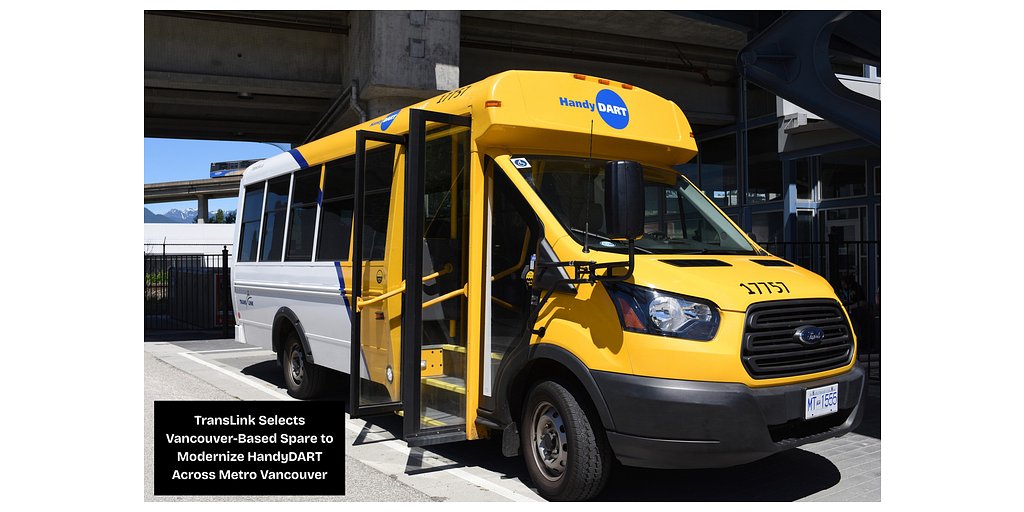
Vancouver's HandyDART Service Gets a Major Digital Overhaul
VANCOUVER, British Columbia – January 02, 2026 – Metro Vancouver’s essential accessible transit service, HandyDART, is set to enter a new era of convenience and reliability. TransLink, the region's transportation authority, has announced a landmark partnership with Vancouver-based technology company Spare to completely modernize the door-to-door service, which provides more than 1.2 million trips annually to residents unable to use the conventional transit system.
The collaboration will replace what has been described as “decades-old legacy systems” with a modern, AI-powered platform. Once fully implemented, the upgrade will empower riders with digital tools like 24/7 online booking, real-time vehicle tracking, and automated service updates, fundamentally changing the user experience for the more than 30,000 registered customers who depend on the service.
“By partnering with Spare, we will bring HandyDART into the digital age by giving customers access to online bookings, real-time vehicle locations, and smartphone updates,” said TransLink CEO Kevin Quinn. “HandyDART is more than a service – it’s a lifeline for thousands of people across Metro Vancouver and we are committed to strengthening the service for riders through our Customer-First Plan.”
A Long-Awaited Digital Transformation
For years, HandyDART users and disability advocates have called for improvements to the service. While customer satisfaction has remained relatively high, the operational backbone of the system has lagged behind modern technological standards. The current process relies heavily on phone-based reservations, creating bottlenecks at call centers and offering limited flexibility for riders needing to book or manage trips outside of business hours.
This modernization initiative directly addresses these long-standing concerns. Advocacy groups have pointed out that such changes are not just conveniences but necessities for enhancing the independence of riders. One advocate, who has long campaigned for service improvements, called the planned digital upgrades “long overdue,” noting that it felt like their years of feedback were finally being heard. The growing demand for the service, fueled by Metro Vancouver's aging population, has added urgency to the need for a more efficient and scalable system.
Past criticisms have also focused on service consistency, particularly when overflow trips are handled by taxis, where driver training and vehicle accessibility can be inconsistent. While the new software platform does not directly alter the service delivery model, it provides TransLink with powerful tools for comprehensive oversight, enabling better performance monitoring and proactive management of all service providers to ensure quality standards are met across the network.
Putting Riders in the Driver's Seat
The core of the modernization effort is a profound shift toward user empowerment. The introduction of a 24/7 online portal and mobile application for trip booking and management will grant riders unprecedented control over their transportation. This eliminates the need to rely solely on call center hours, offering flexibility and reducing wait times.
Perhaps the most anticipated feature is the real-time “Where’s My Ride” vehicle tracking. This function is expected to significantly reduce rider anxiety and uncertainty, allowing users and their caregivers to see a vehicle’s exact location and receive accurate arrival time estimates. For individuals traveling to critical medical appointments, work, or social engagements, this visibility provides a new level of confidence and reliability.
“Every HandyDART trip represents someone’s independence and many of us at Spare have family members, friends and neighbours who rely on these services right here in Metro Vancouver,” said Kristoffer Vik Hansen, CEO and Co-founder of Spare. “With digital tools that let riders book trips independently and know when their vehicle is arriving, people gain greater confidence getting to work, medical appointments and the places that matter in their daily lives.”
The Technology Powering the Change
At the heart of this transformation is Spare's integrated transit platform, which replaces multiple fragmented legacy systems with a single, cohesive solution. The Vancouver-based company has a proven track record, having implemented its technology in over 200 cities worldwide, including for major transit agencies like Dallas Area Rapid Transit (DART) and Winnipeg Transit. In Winnipeg, the implementation of Spare's platform helped the city’s paratransit service boost its on-time performance to 96%.
Spare’s system uses artificial intelligence to manage the entire service lifecycle, from rider registration and booking to dynamic dispatch and route optimization. This allows the system to adapt in real time to changing conditions like traffic or unexpected cancellations, maximizing efficiency and ensuring vehicles are used effectively. For TransLink, this translates into powerful operational dashboards that provide a real-time view of the entire HandyDART network. This data-driven approach enables staff to shift from reactive problem-solving to proactive service management, identifying and addressing potential issues before they impact riders.
“Behind the scenes, our technology is built for the real operational complexity of paratransit at scale, giving TransLink the real-time insight it needs to manage service proactively and reliably,” added Vik Hansen.
A Blueprint for Accessible Transit's Future
This initiative is a cornerstone of TransLink’s broader strategic vision, outlined in its “Customer-First Plan” and “Access for Everyone” plan. These roadmaps aim to significantly expand and improve HandyDART services to meet future demand. The goals include a 60% increase in available trips and the extension of service hours, with a recent change already extending operations to 2 a.m. to align with SkyTrain hours.
The new software, expected to launch for riders in 2027, will provide the scalable foundation necessary to support this growth. By integrating traditional door-to-door service with modern on-demand technology, TransLink is creating a hybrid model that balances rider expectations with operational efficiency and cost discipline. This forward-thinking approach positions Metro Vancouver as a leader in accessible public transit, offering a potential blueprint for other major North American cities grappling with similar challenges of modernizing their paratransit services. The project signals a clear commitment to leveraging technology not just for efficiency, but to foster a more inclusive and connected community for all residents.