
- 50 suites: The Sunset Hotel offers 50 spacious suites, providing a vital addition to Vancouver's strained accommodation supply ahead of the 2026 FIFA World Cup.
- 70,000 room nights shortfall: Deloitte estimates a potential shortfall of 70,000 room nights during the tournament, leaving up to 15,000 fans without lodging on peak days.
- $45 million in lost spending: The accommodation crisis could result in an estimated $45 million in lost direct spending for the region.
Experts would likely conclude that The Sunset Hotel's independent relaunch is a strategic response to both the FIFA accommodation crisis and broader industry trends, demonstrating how local control and personalized experiences can address supply shortages and evolving traveler preferences.
Vancouver Hotel's Independent Relaunch Tackles FIFA Accommodation Crisis
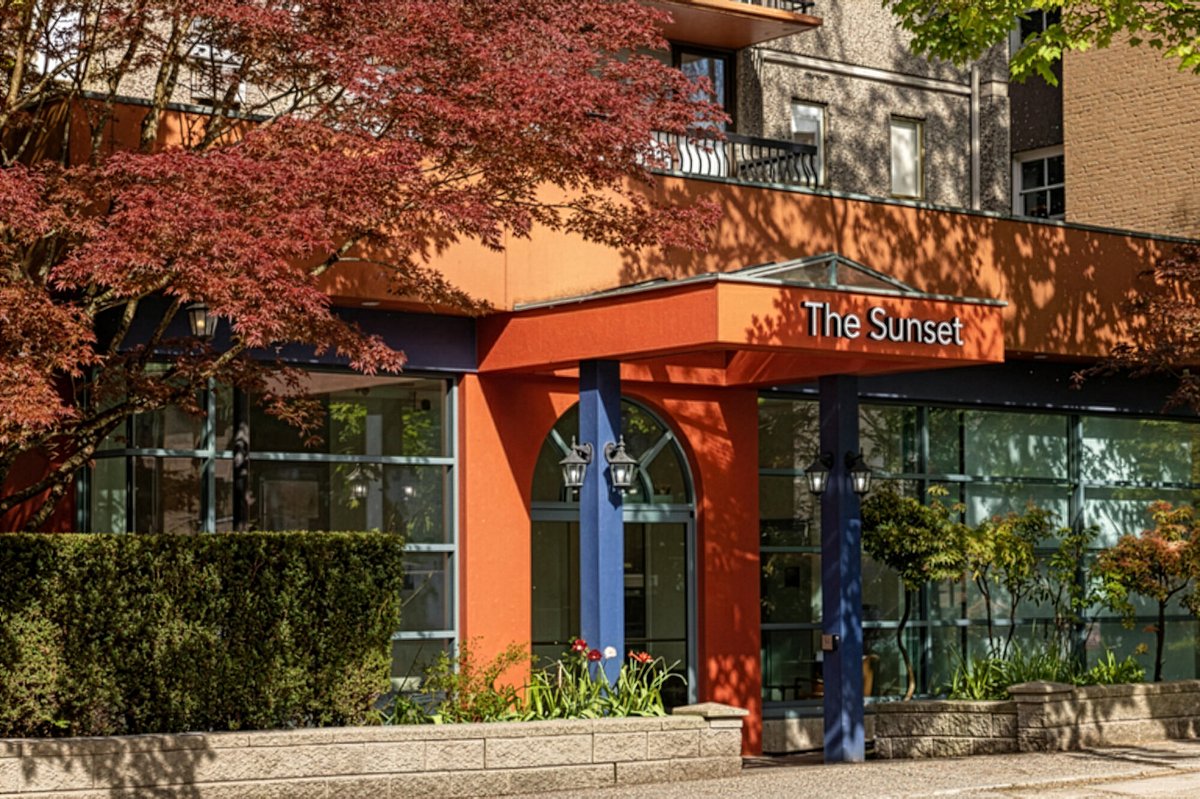
VANCOUVER, BC – March 17, 2026 – A West End hotel has relaunched under independent local management, marking a significant shift from global operator to local control just as Vancouver braces for an unprecedented wave of visitors. The Sunset Hotel, a 50-suite property at 1111 Burnaby Street, has completed a full operational reset following the Canadian wind-down of its former manager, tech-hospitality giant Sonder, positioning itself as a crucial piece of the city's stressed accommodation puzzle ahead of the 2026 FIFA World Cup.
A Tale of Two Models: Global Tech vs. Local Touch
The transition of The Sunset Hotel represents a compelling case study in the evolving hospitality landscape. The property's move away from Sonder comes as the global brand undergoes a significant "Portfolio Optimization Program." Financial reports from 2025 indicated Sonder was strategically reducing its number of bookable nights, shedding properties even as it reported an increase in Revenue per Available Room (RevPAR). This corporate recalibration, aimed at long-term profitability, created an opportunity for properties like The Sunset to chart a new course.
The relaunch pivots away from a standardized, globally-managed model towards one that its new leadership describes as uniquely Vancouver. "This relaunch is about more than independence -- it's about building something durable," said Steven Snowling, General Manager of The Sunset, in a statement. "By returning to local control, we're able to reinvest directly into the guest experience and shape a property that reflects Vancouver's character: spacious, livable, and thoughtfully run."
This reinvestment manifests in a hybrid service model that combines on-site staff with 24-hour phone support, alongside a "digital-first" approach that includes seamless keyless entry and high-speed connectivity. The move taps into a broader industry trend where independent hotels are leveraging their agility and local identity to compete with large chains. While global brands pursue asset-light strategies, independents are finding success by offering the authentic, personalized experiences that modern travelers increasingly crave. The Sunset, which has been owned by the same family since it was built as the Las Palmas Apartments in 1972, is leaning into this history to offer what it calls an "authentic Vancouver stay."
A Critical Goal for the World Cup
The timing of The Sunset's independent relaunch could not be more critical for Vancouver. The city is set to host seven FIFA World Cup matches in the summer of 2026, with an estimated 350,000 fans expected to descend on the region. This influx of visitors is set to collide with a stark reality: a severe and long-standing shortage of visitor accommodations.
Vancouver's hotel inventory has remained largely stagnant for over a decade, with only about 13,000 rooms in the entire municipality. A 2023 study by Destination Vancouver had already projected that demand would outstrip supply by the summer of 2026, even before accounting for the World Cup's full impact. More recent analysis, including a Deloitte report, paints a dire picture, estimating a potential shortfall of 70,000 room nights during the tournament. This could leave up to 15,000 fans without a place to stay on peak days and result in an estimated $45 million in lost direct spending for the region.
In this high-pressure environment, every available room matters. The 50 suites at The Sunset, located just 2.5 kilometers from the BC Place stadium, provide a vital infusion of supply. With hotel prices for the event period already surging past $1,000 per night for standard rooms, the property's unique offerings become even more valuable. Its spacious, apartment-style layouts offer a practical and potentially more cost-effective alternative for families and groups traveling for the tournament.
Redefining the Modern Stay
Beyond the immediate needs of the World Cup, The Sunset's model speaks to a fundamental shift in traveler preferences. The traditional hotel room is no longer the default for many guests, including extended-stay business travelers, digital nomads, and families who seek the comforts of home while on the road.
The hotel's suites are designed precisely for this market. Averaging nearly 600 square feet - almost double the size of a typical downtown hotel room - each unit includes a full kitchen, a private balcony, and a residential-style living space. This configuration allows guests to "live like a local," preparing meals, enjoying more space, and avoiding the constraints and costs associated with a prolonged hotel stay. This approach aligns with the growing demand for accommodations that offer flexibility, comfort, and a sense of place.
By refreshing its suites and emphasizing its generous floor plans, The Sunset is not just providing a place to sleep, but a base for experiencing the city. Its location in the vibrant West End, within walking distance of Sunset Beach and the Davie Village, further enhances this appeal. The relaunch is a calculated bet that the future of travel lies in providing spaces that are more than just a room, but a temporary home. As Snowling noted, the goal is to build a model that is "resilient, modern, and designed for the long term."