
- $150M+ raised in capital under Harry Rowland's leadership at Endotronix
- $1B+ acquisition of Endotronix by Edwards Lifesciences
- Millions of patients globally affected by Coronary Microvascular Dysfunction (CMD)
Experts view Harry Rowland's appointment as a strategic move to accelerate VahatiCor's path to market, leveraging his proven track record in medtech innovation and regulatory approvals.
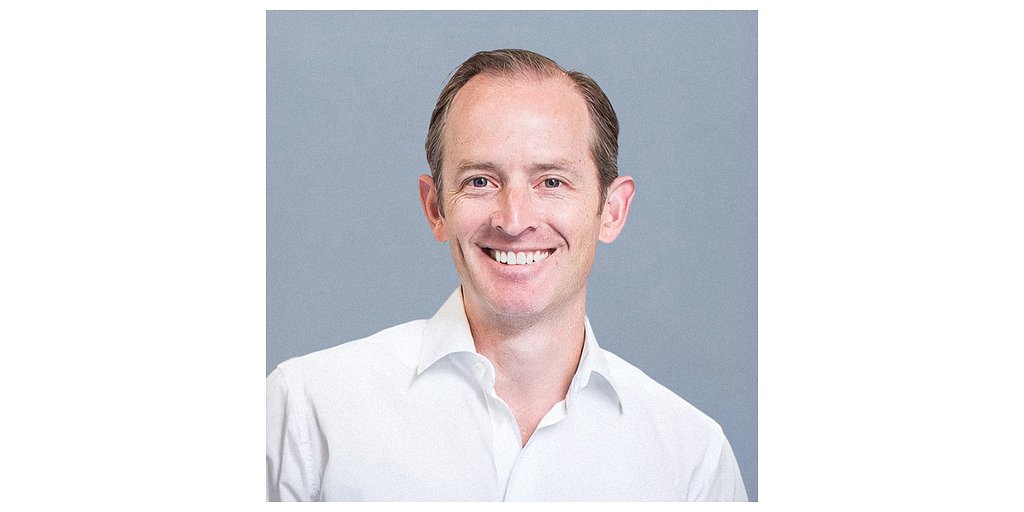
VahatiCor Taps Medtech Veteran to Tackle Underserved Heart Condition
SANTA CLARA, CA – May 18, 2026 – VahatiCor, Inc., a medical technology firm developing a novel therapy for a widespread and debilitating heart condition, today announced a significant leadership change poised to accelerate its path to market. The company has appointed Harry D. Rowland, Ph.D., a seasoned executive with a proven record of guiding cardiovascular innovations from concept to commercial success, as its new Chief Executive Officer.
The move signals a pivotal moment for VahatiCor as it advances its A-FLUX Reducer System®, a device aimed at treating Coronary Microvascular Dysfunction (CMD), a condition causing chronic chest pain in millions of patients who lack traditional treatment options. Rowland’s appointment is seen by industry observers as a strategic maneuver to leverage his experience in navigating the complex journey of clinical trials, regulatory approval, and market launch.
A Proven Playbook for Medtech Success
Rowland joins VahatiCor with a formidable reputation built on his success at Endotronix, a company he co-founded and led as CEO. Under his leadership, Endotronix developed the Cordella™ Pulmonary Artery Sensor System, a sophisticated heart failure management platform. He steered the company through the rigorous U.S. Food and Drug Administration (FDA) approval process, culminating in a Premarket Approval (PMA) in mid-2024 based on the strength of the PROACTIVE-HF pivotal trial. This journey involved raising over $150 million in capital and growing the company to more than 150 employees.
The ultimate validation of his strategy came in late 2024 when medical device giant Edwards Lifesciences acquired Endotronix, a deal valued as part of a larger acquisition package worth over $1 billion. Rowland remained post-acquisition to ensure a smooth transition, a testament to his deep involvement in the technology and its commercial future.
This specific experience is precisely what VahatiCor’s board and investors were seeking. "Harry has led a medical company through this arc before. He took Endotronix from clinical concept to FDA approval and subsequent acquisition by Edwards Lifesciences, building both the team and the supporting evidence base," said Marwan Berrada-Sounni, Co-Founder of VahatiCor. "As VahatiCor advances A-FLUX and continues to generate evidence for patients with Coronary Microvascular Dysfunction, we are confident that Harry is the right leader to bring this therapy forward."
Targeting a Hidden and Debilitating Condition
The challenge Rowland and VahatiCor have set their sights on is Coronary Microvascular Dysfunction (CMD). It is a perplexing and often overlooked condition affecting millions globally, a significant portion of whom are women. These patients suffer from persistent and often debilitating angina—chest pain or discomfort—yet when they undergo standard coronary angiography, physicians find no significant blockages in their major coronary arteries. The problem lies deeper, within the vast network of tiny microvessels that supply blood to the heart muscle.
For decades, these patients have existed in a diagnostic and therapeutic gray zone. Their symptoms are real, and research shows they face an increased risk of major adverse cardiovascular events like heart attack and heart failure. However, treatment options are limited, often focusing on managing symptoms with a cocktail of medications that provide incomplete relief for many.
This significant unmet need is what drew Rowland to the company. “I was immediately drawn to VahatiCor as a promising alternative treatment option for patients suffering from persistent chest pain,” he stated. The potential to offer a concrete solution to this underserved population represents a major opportunity for clinical impact.
A New Tool in the Cardiologist's Arsenal
VahatiCor's proposed solution is the A-FLUX Reducer System®, a catheter-based intervention designed to directly address the underlying hemodynamics of CMD. The system involves the implantation of a small, hourglass-shaped device into the coronary sinus, the main vein that collects deoxygenated blood from the heart muscle.
The principle behind the device is elegantly simple. By creating a gentle narrowing of the coronary sinus, the A-FLUX implant is designed to slightly increase pressure in the venous system of the heart. This pressure change is believed to help redistribute blood flow from areas of the heart with adequate perfusion to the ischemic microvasculature that is starved for oxygen, thereby alleviating angina.
While the concept of a coronary sinus reducer is not entirely new—competitor Neovasc Inc. has a similar device, the Reducer™, with a CE Mark in Europe—VahatiCor is positioning its A-FLUX system as a next-generation technology. The company is betting that its specific design and approach will offer advantages as it builds its own robust portfolio of clinical evidence.
“The A-FLUX hourglass-shaped implant, placed in the coronary sinus, is designed to increase blood flow to the microvasculature, reducing this pain and improving overall quality of life,” Rowland explained. “I’m excited to join the talented VahatiCor team and partner with physician collaborators to grow the evidence to support clinical use and help patients in need.”
The Path to Market: Evidence and Execution
With Rowland at the helm, VahatiCor is focused on disciplined execution. The company is currently enrolling patients in its SERRA-I early feasibility study, a critical first step in gathering human data on the A-FLUX system's safety and performance. The medical community will get its first glimpse of this data soon, as the company plans to host a scientific symposium at the prestigious EuroPCR conference in Paris from May 19-22, 2026. The presentation, titled “Early Evidence from a Next-Generation Coronary Sinus Reducer,” is expected to draw significant attention from interventional cardiologists.
Following the initial study, VahatiCor is already preparing for a larger, pivotal SERRA-II trial, which will be designed to provide the comprehensive safety and efficacy data required for FDA approval. This methodical, evidence-based approach is crucial for gaining physician adoption and securing a place in treatment guidelines.
The strategy has the full backing of VahatiCor’s investors, including S3 Ventures. “Harry is the right leader for VahatiCor at this pivotal stage, when breakthrough technology requires disciplined execution,” said Brian R. Smith, Managing Director at S3 Ventures. “A-FLUX® represents a substantial opportunity to reach a large, underserved patient population, and Harry brings the proven ability to build the team, clinical evidence, and operational foundation needed to move that opportunity forward.” His leadership is seen as the catalyst that will transform VahatiCor's promising technology into a market-ready reality.