
- 800 tons: Total direct exports of U.S. cotton to Mauritius, marking a historic milestone in commercial-scale trade.
- 500 tons: Size of the latest shipment, sourced from U.S. farms across six states.
- 300 tons: Size of the inaugural shipment from the previous year.
Experts view this U.S.-Mauritius cotton trade partnership as a strategic enabler for Mauritius's textile industry, enhancing competitiveness, job creation, and bilateral trade ties while offering a replicable model for resilient global supply chains.
U.S. Cotton Weaves New Trade Ties with Mauritius's Textile Hub
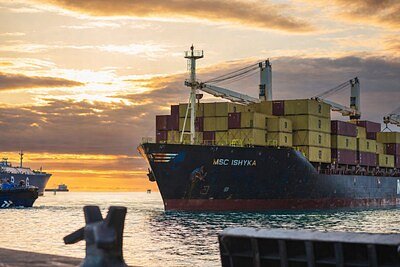
PORT LOUIS, Mauritius – March 04, 2026 – In a landmark move strengthening trans-Atlantic commercial bonds, Mauritius has received a second, larger shipment of premium American cotton, bringing total direct exports from the United States to over 800 tons. The arrival, facilitated by the U.S.-Africa Trade Desk (USATD) in collaboration with the U.S. Embassy, marks a historic milestone: the first time U.S. cotton producers are directly supplying the island nation’s sophisticated textile industry at a commercial scale.
The recent delivery of more than 500 tons, sourced from farms across Mississippi, Alabama, Arkansas, Georgia, South Carolina, and North Carolina, builds upon an inaugural 300-ton shipment from last year. This development was celebrated at an event hosted by the U.S. Embassy, where government officials and industry leaders from both nations gathered to discuss the future of a partnership poised to reshape regional supply chains.
This direct trade route represents a significant shift for Mauritius, which has historically sourced cotton from a diverse range of countries including India, China, and Brazil. By connecting directly with American suppliers, the nation’s manufacturers gain access to high-quality raw materials, a critical component for an industry that has evolved from a low-cost producer into a high-value global competitor.
A Strategic Boost for a Textile Powerhouse
For Mauritius, the textile and apparel sector is not merely an industry; it is a cornerstone of its economic identity. With over five decades of growth, it has become a leading exporter in Sub-Saharan Africa, renowned for its technical expertise and ethical manufacturing. The nation is a major global producer of fully fashioned knitwear and a top supplier of T-shirts to the European market. This new infusion of U.S. cotton is seen as a strategic enabler for the next phase of its growth.
Industry leaders believe the direct sourcing model championed by USATD will have a transformative impact. "Mauritius is repositioning itself as a competitive textile hub," stated Lilowtee Rajmun-Jooseery, Director of the Mauritius Export Association (MEXA). "By sourcing directly from the U.S., we cut costs, boost local jobs, and strengthen bilateral trade ties. USATD is helping build a resilient bridge between our manufacturers and American suppliers."
This sentiment was echoed at the government level. Hon. Ameer Meea, the Minister of Industry, SMEs and Cooperatives, emphasized the broader strategic implications. "These cotton imports not only support Mauritian industry, they also strengthen our expanding trade and investment ties with the United States, which are key pillars of our growing bilateral strategic partnership," he said. The initiative promises to enhance the competitiveness of Mauritian textiles, particularly for products destined for the U.S. market under the African Growth and Opportunity Act (AGOA).
Weaving a New Fabric of Commercial Diplomacy
The partnership is a prime example of a new, demand-driven approach to U.S.-Africa trade. Rather than relying on traditional aid structures, this model focuses on building direct commercial links that generate mutual economic benefits. The U.S. Embassy in Port Louis, through its Foreign Agricultural Service, Foreign Commercial Service, and the State Department, provided crucial interagency support to bring the deal to fruition.
Chargé d'Affaires Craig Halbmaier captured the spirit of the collaboration during the celebration event. "It is a privilege to see U.S.-grown cotton spun into fabric right here in Mauritius," he remarked. "This partnership, forged by USATD, is not just about fiber. It's about weaving stronger trade ties between the United States and Africa. This is a model that can be replicated across East and Southern Africa."
The event featured a high-level panel including Halbmaier, Minister Meea, USATD Vice President for Trade Bill Fanjoy, and Absa Bank Managing Director Ravin Dajee. They explored how such partnerships bolster regional supply chain resilience, a topic of increasing global importance.
For the United States, the world's leading cotton exporter, securing new direct markets is a significant economic win. It provides stability and new revenue streams for American farmers in the cotton belt while reinforcing America's role as a dependable global supplier. The USATD’s innovative model advances the entire ecosystem, from compliance and logistics to financing, to ensure seamless cross-border commerce.
Redrawing the Global Supply Chain Map
This direct trade channel emerges at a critical moment for the global apparel industry. In recent years, supply chain disruptions, geopolitical tensions, and a powerful consumer-led movement toward sustainability have forced brands to rethink their sourcing strategies. There is a growing demand for diversification, transparency, and ethically produced materials.
The U.S.-Mauritius cotton initiative directly addresses these trends. U.S. cotton is known for its quality and is increasingly marketed on its sustainable farming practices. A direct, traceable line from an American farm to a Mauritian mill provides the transparency that global apparel brands and their customers now demand. This partnership leverages the benefits of AGOA, which grants Mauritius duty-free access to the U.S. market. While the act's "third-country fabric provision" has long been vital for the island's industry, this new stream of U.S. raw materials could foster even deeper vertical integration.
By anchoring Africa's apparel exports with American-grown cotton, the initiative creates a virtuous cycle. It supports American farmers, creates skilled jobs in Mauritius’s advanced manufacturing sector, and provides global brands with a reliable and sustainable supply chain. This bilateral success story demonstrates a powerful and replicable model for how targeted commercial diplomacy can drive shared prosperity and build more resilient global trade networks.